

The Air Purification Myth
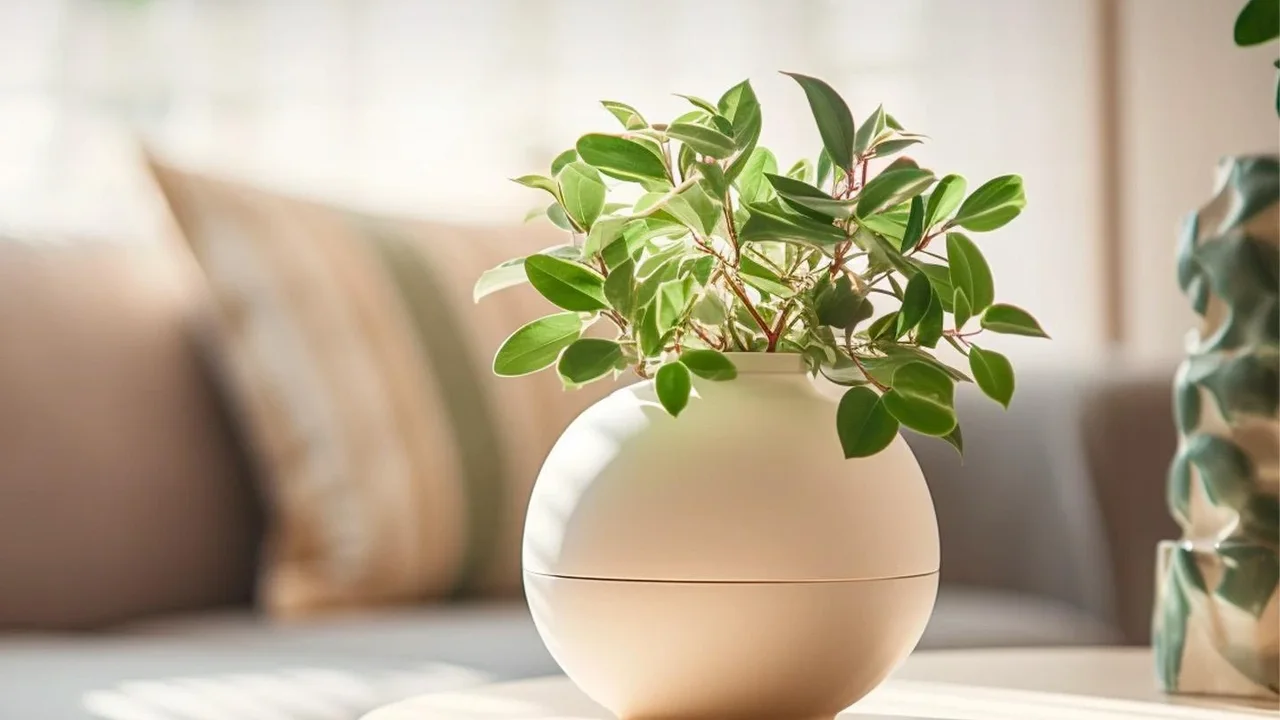
Let's clear the air. The idea that houseplants can purify indoor environments stems from a famous 1989 NASA study. Researchers found that in a sealed, controlled chamber, certain plants could remove volatile organic compounds (VOCs) like formaldehyde
and benzene from the air. The problem? Our homes are not sealed chambers. Recent analyses have concluded that in a typical house or apartment with normal air exchange, the effect of a few plants is negligible. You would need an almost impossible number of plants—some experts estimate up to 1,000 per square metre—to compete with the air cleaning power of simply opening a window.
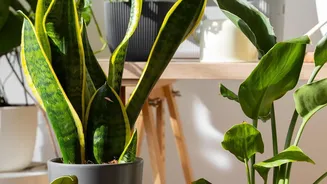
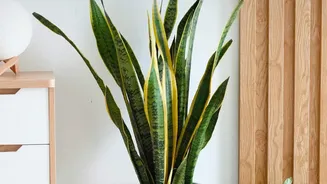
1. Snake Plant (Sansevieria trifasciata)
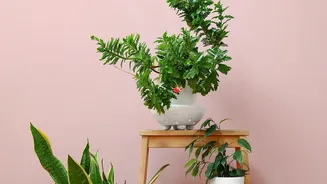
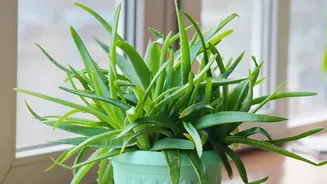
Why we love it: The Snake Plant, also called mother-in-law's tongue, is the definition of resilient. Its stiff, architectural leaves add a modern, sculptural element to a room, and it comes in a variety of patterns and shades of green. It's famously tolerant of low light and forgiving if you forget to water it, making it perfect for beginners or those with less-than-ideal lighting conditions. While its air-purifying effects are minimal in a real home, it's a champion of low-maintenance style that can thrive almost anywhere.
2. Spider Plant (Chlorophytum comosum)
Why we love it: The Spider Plant is a cheerful and classic choice, known for its arching leaves and the 'spiderettes' or baby plantlets that dangle from the mother plant. It has a wild, fountain-like appearance that can fill an empty corner or cascade beautifully from a hanging basket. These plants are highly adaptable, thriving in a range of light conditions, though they prefer bright, indirect light. They are also incredibly easy to propagate; just snip off a plantlet and place it in soil or water.
3. Peace Lily (Spathiphyllum)
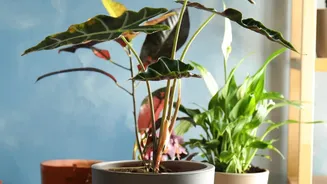
Why we love it: For those who want a flowering plant that can handle lower light, the Peace Lily is a go-to. It features glossy, dark green leaves and produces elegant white spathes that look like flowers. It's one of the few plants on this list that provides a consistent floral element indoors. Peace Lilies are also quite communicative; they will visibly droop when they need water, making it hard to over- or under-water them. The NASA study did find Peace Lilies to be effective at removing certain VOCs in a lab setting, but remember to prioritize them for their beauty, not their unproven cleaning power at home.
4. Pothos (Epipremnum aureum)
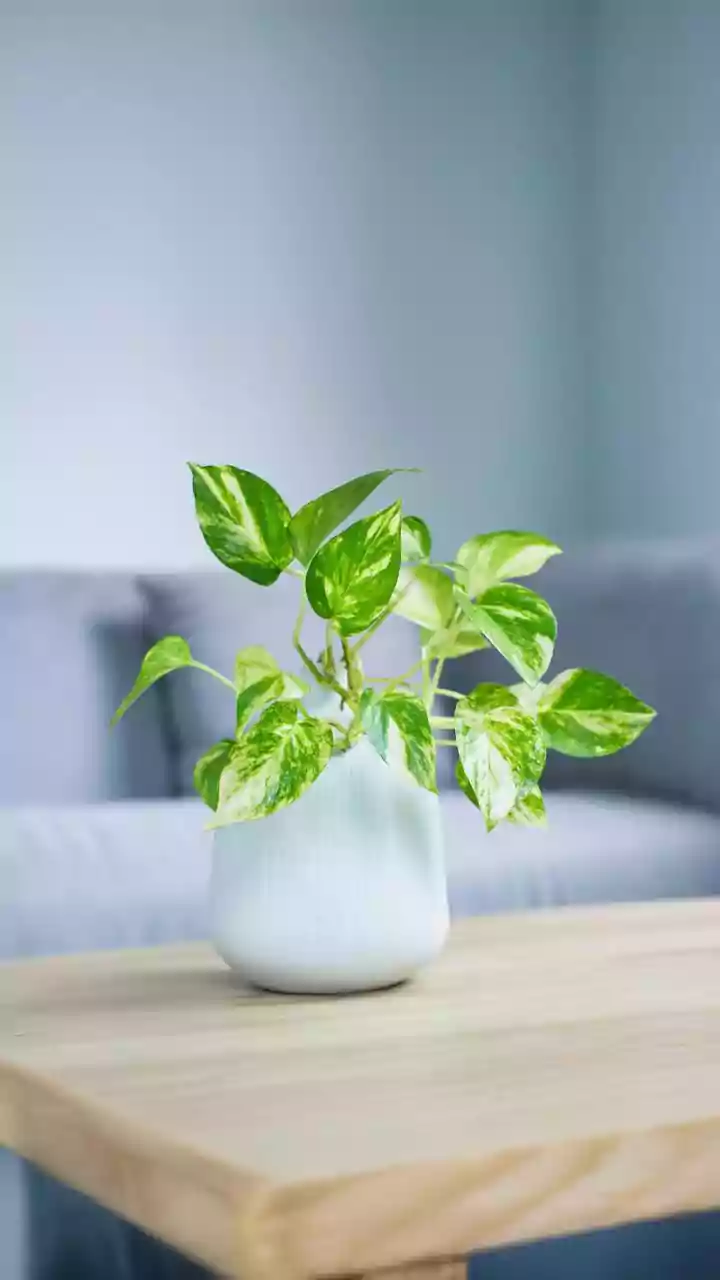
Why we love it: Often called Devil's Ivy, Pothos is one of the most popular and versatile houseplants for a reason. Its heart-shaped leaves come in various shades of green, yellow, and white, and its trailing vines can be trained to climb a trellis or cascade down a bookshelf. It's exceptionally easy to care for and can tolerate a wide spectrum of lighting conditions, from low to bright indirect light. Its vining nature allows you to add a touch of green to many different parts of a room, creating a lush, jungle-like feel.
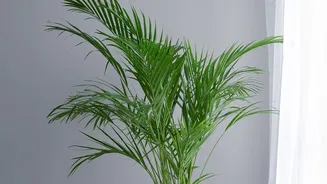
5. Areca Palm (Dypsis lutescens)
Why we love it: If you want to make a statement, the Areca Palm delivers. With its feathery, arching fronds, it brings an immediate tropical vibe to any room. It's larger than many other houseplants, making it an excellent floor plant to create a focal point. While some sources mention its air-purifying abilities from the NASA study, its true value lies in its grand aesthetic and its ability to add a sense of life and scale to your decor. It is known to be a relatively easy-care palm, appreciating bright, indirect light and consistent moisture.
6. Croton (Codiaeum variegatum)
Why we love it: For a serious pop of colour, nothing beats a Croton. The thick, waxy leaves come in a fiery mix of red, orange, yellow, and even purple, often on the same plant. This is not a plant for subtle greenery; it's a living piece of art designed to draw the eye. Crotons need plenty of bright, indirect light to maintain their vibrant colouring. While they require a bit more attention to humidity and light than a Snake Plant, the visual payoff is immense, instantly brightening any room they occupy.
What Really Cleans Your Air: Ventilation
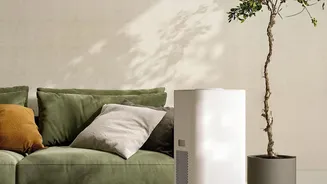
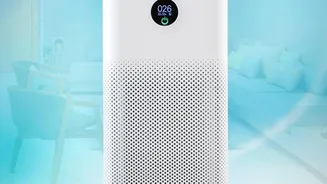
So, if plants aren't the answer, what is? The solution is simple and effective: ventilation. This means exchanging stale indoor air with fresh outdoor air. According to health organizations like the CDC, this is the most effective way to reduce indoor pollutants, virus particles, and allergens. You can achieve this by opening windows and doors, even just a crack, to create cross-ventilation. Using exhaust fans in kitchens and bathrooms is also crucial for removing moisture and contaminants at the source. For a more advanced solution, air purifiers with HEPA filters physically trap airborne particles, offering a significant and measurable improvement in air quality that plants simply cannot match.