






The Viral Scenery
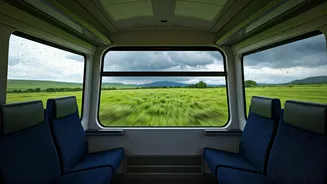
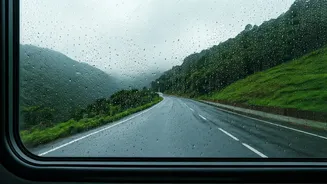
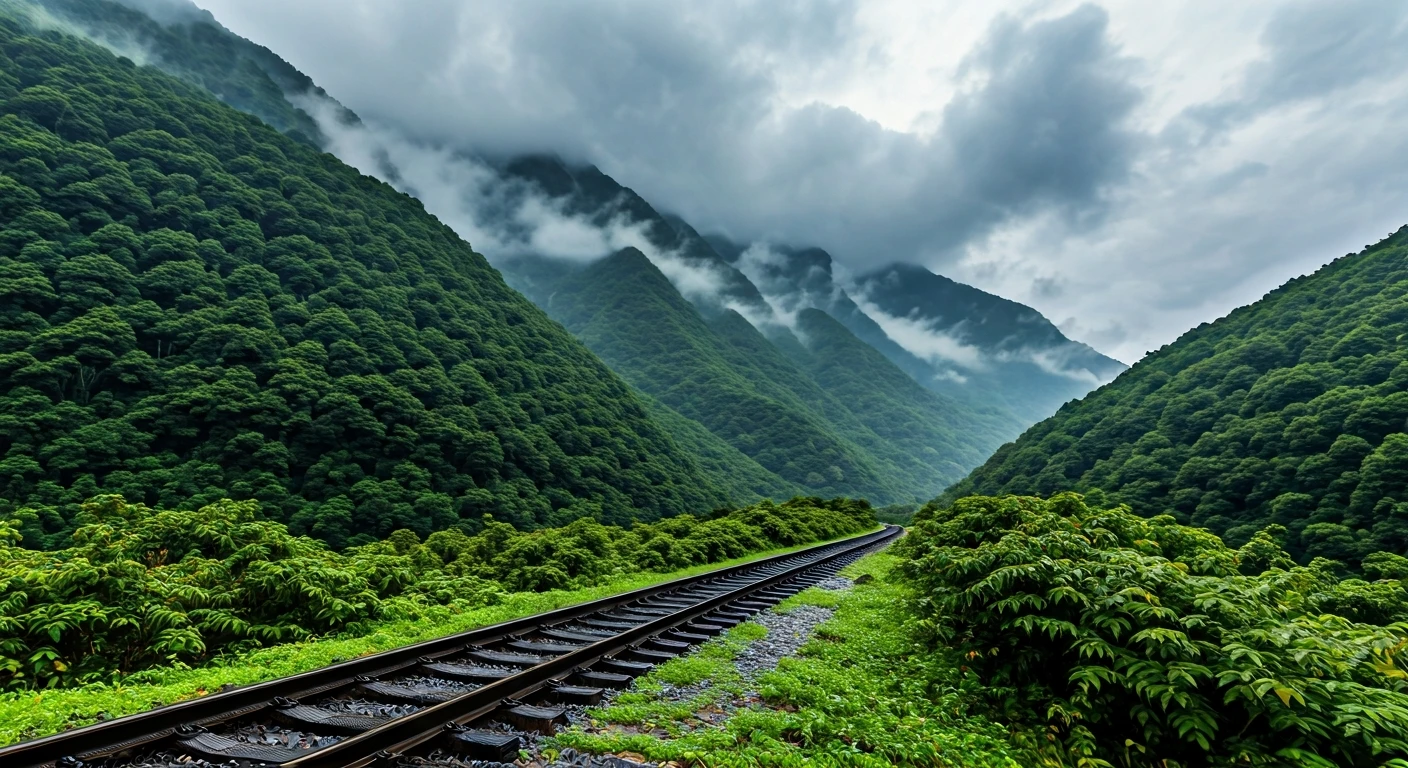
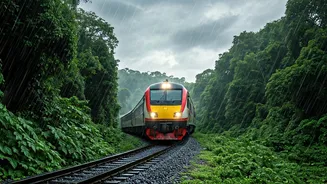
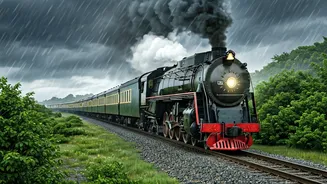
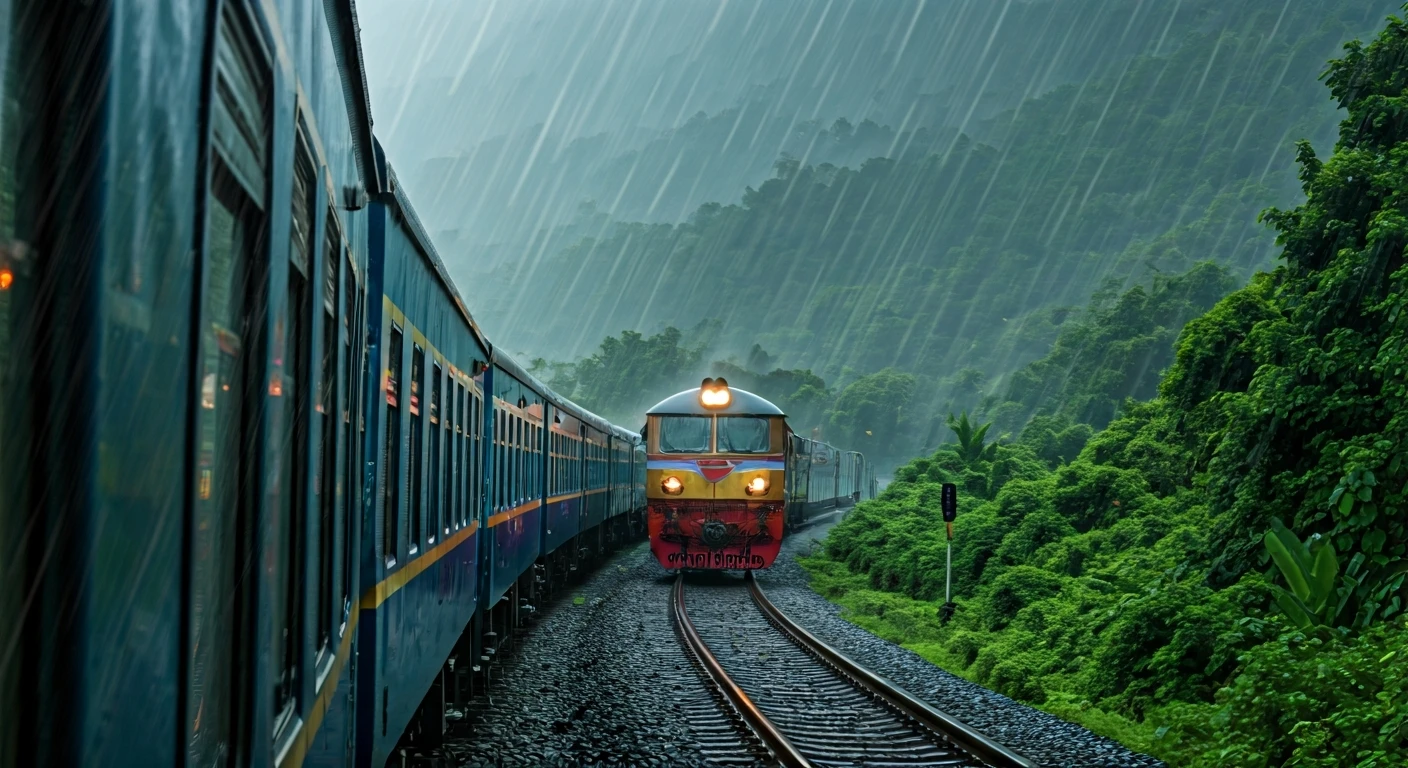
Every year, as the monsoon sweeps across India, a familiar spectacle unfolds online. Reels and photo dumps showcase the country's railway network transforming into a moving cinema of breathtaking landscapes. Routes like the Konkan Railway, which connects
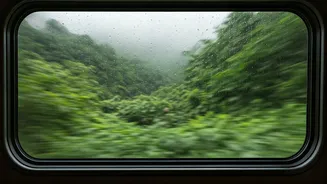
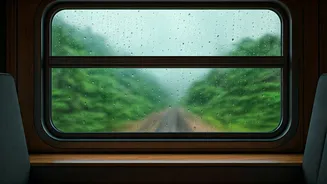
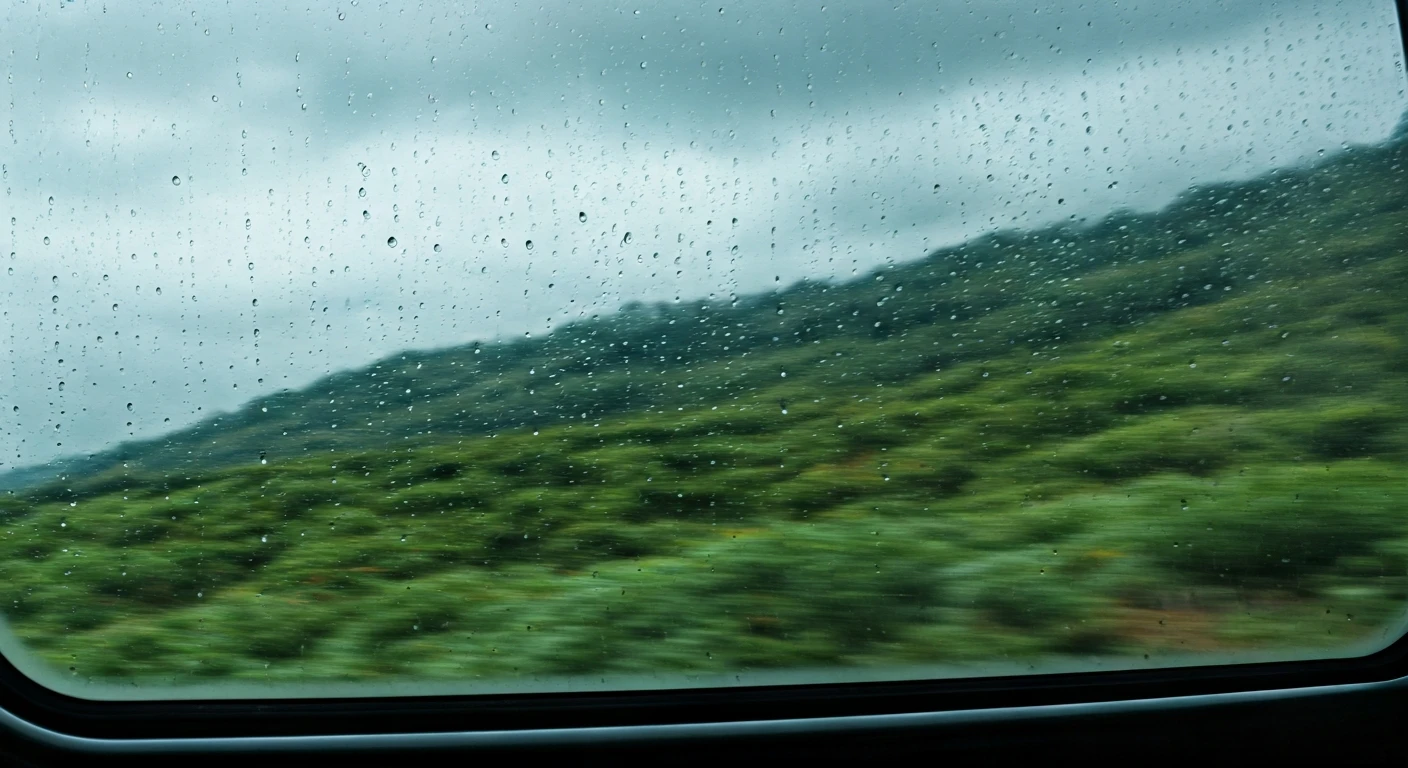
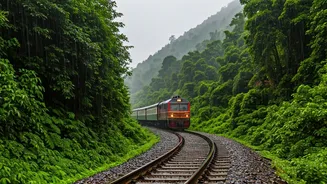
Mumbai to Goa, become superstars. The journey on this line is a marvel of engineering, cutting through the Western Ghats with over 90 tunnels and countless bridges. During the monsoon, this route becomes particularly dramatic. The rain washes the landscape, revealing vibrant shades of green, while seasonal waterfalls burst to life right next to the tracks. Similarly, heritage routes like the Nilgiri Mountain Railway to Ooty and the Kalka-Shimla line offer magical, mist-filled journeys that feel like stepping into a painting. With panoramic windows and special Vistadome coaches on some routes, passengers get front-row seats to this natural spectacle, making it prime content for a travel-hungry internet.
A Symphony of Senses
What the viral videos can't fully capture is the multi-sensory experience of a monsoon train journey. It's more than just the views; it's a feeling. It’s the rhythmic sound of raindrops drumming on the train's roof, the cool, damp breeze carrying the smell of wet earth through an open window, and the comforting ritual of sipping hot chai while watching the world go by. The journey is punctuated by the lively chaos of station platforms, where the aroma of freshly fried pakoras and samosas hangs in the air. This combination of tranquil observation and fleeting, vibrant moments is what makes the experience so deeply memorable. It's a therapeutic escape that allows travellers to slow down and connect with the rhythm of the season, turning a simple trip into a cherished memory.
The Unscheduled Detours
For every stunning view, there's the less glamorous reality: the monsoon is also a season of disruption. The same heavy rains that create beautiful waterfalls can also lead to significant travel headaches. Waterlogging on tracks is a common issue, especially in low-lying areas and cities like Mumbai, causing trains to run late by minutes or even hours. In hilly regions, the risk of landslides is a serious concern, which can lead to route diversions or outright cancellations. On July 6, 2026, for instance, a landslide in the Bhor Ghat section severely disrupted rail traffic between Mumbai and Pune, leading to the cancellation of 16 trains. To mitigate these risks, Indian Railways often implements a special monsoon timetable on certain routes, like the Konkan line, where trains run at reduced speeds for safety, adding hours to the journey. Passengers often face long waits and crowded stations, a stark contrast to the serene images seen online.
How to Pack for the Predictably Unpredictable
If you’re inspired to embark on a monsoon rail adventure, preparation is key. The number one rule is to expect delays. Use apps like the National Train Enquiry System (NTES) to get real-time updates on your train's status before you even leave for the station. Packing smart is crucial. A waterproof bag or a rain cover for your luggage is non-negotiable to protect electronics and documents. Lightweight, quick-dry clothing will serve you better than heavy fabrics, and a pair of shoes with good grip is essential for slippery station platforms. It's also wise to carry your own snacks and a thermos for hot water or chai, as pantry car services can sometimes be disrupted during heavy rains. And perhaps most importantly, pack a good dose of patience. The monsoon operates on its own schedule, and embracing the unpredictability is part of the adventure.