

The Case for Morning Stretches
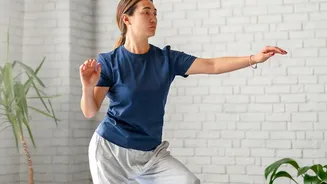
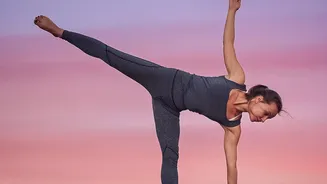
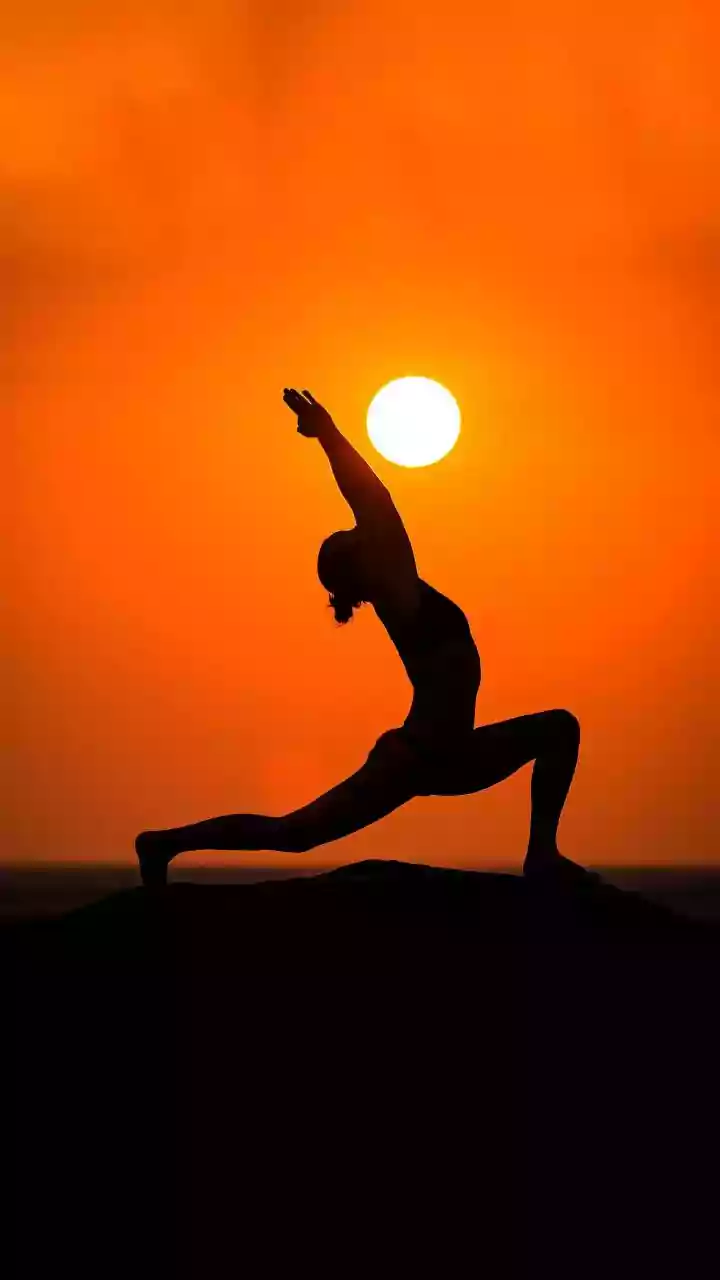
Starting your day with movement can feel like a powerful act of self-care. Morning stretches and gentle yoga flows are designed to awaken the body and mind. After a night of rest, muscles can be stiff. A morning routine helps to relieve this tension,
increase blood flow, and prepare your body for the day ahead. This practice can kickstart your metabolism, potentially helping you burn more calories throughout the day. Proponents of morning practice often find it easier to build a consistent habit, as there are typically fewer distractions or social plans to derail a workout first thing. Beyond the physical, a morning session sets a positive and intentional tone. It can boost your mood, sharpen mental clarity, and leave you feeling grounded before the demands of work and life begin. Even fifteen minutes of movement can help regulate your body's internal clock, or circadian rhythm, leading to better alertness during the day and improved sleep at night.
The Allure of Evening Candlelight Yoga
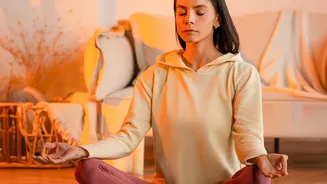
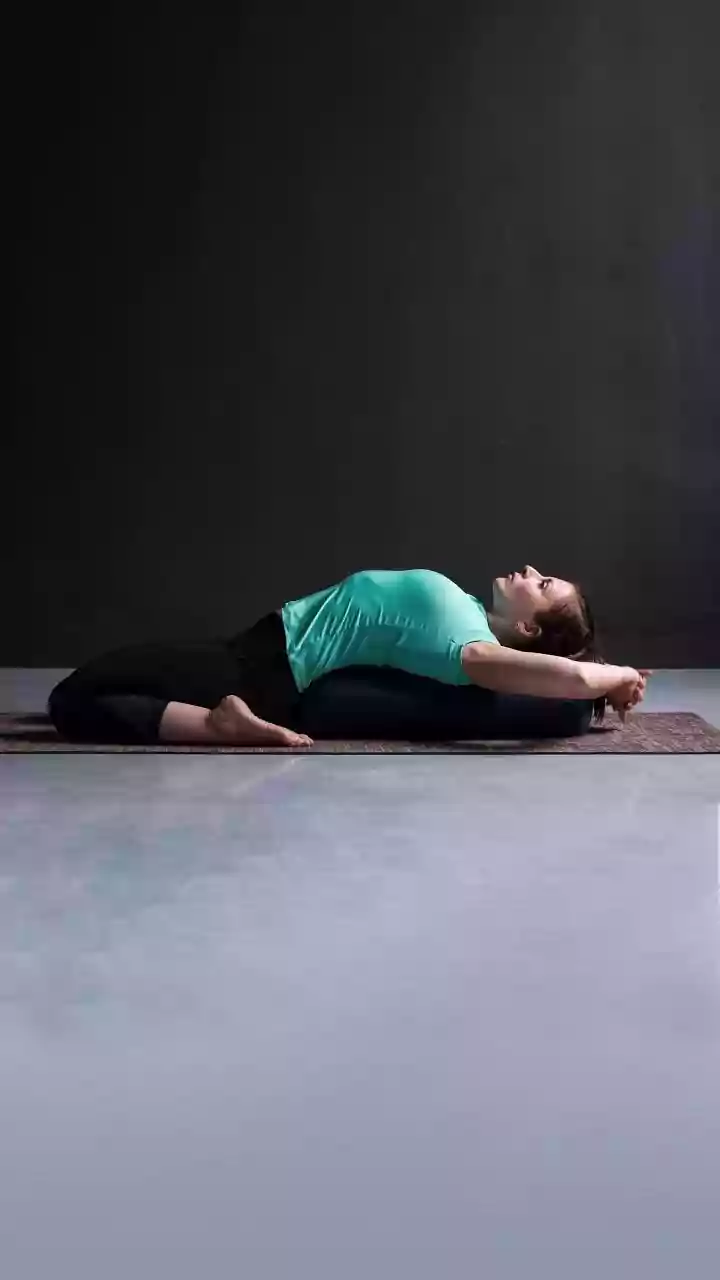
As the day winds down, the focus of your practice can shift from activation to restoration. Evening yoga, particularly slower styles like restorative or yin yoga often practiced by candlelight, is designed to help you de-stress and transition toward sleep. The soft, flickering light of candles creates a serene environment, helping to calm the mind and reduce stress and anxiety. This practice activates the parasympathetic nervous system, also known as the “rest and digest” system, which helps lower your heart rate, reduce blood pressure, and release physical tension accumulated in the shoulders, neck, and back from a day of activity or sitting. Your muscles are also naturally warmer and more flexible in the evening, which can allow you to move deeper into certain poses with greater ease. An evening practice provides a dedicated space to process the day's events, promoting emotional balance and helping to quiet a busy mind before bed, which can significantly improve sleep quality.
How Your Body's Rhythms Play a Role
The human body operates on an internal 24-hour clock known as the circadian rhythm, which influences hormone levels, body temperature, and energy. Understanding this can help you align your practice with your physiology. Cortisol, the body's stress hormone that also promotes alertness, naturally peaks in the morning. A morning practice can help regulate these levels and provide a natural energy boost. In the afternoon and evening, your body temperature is higher and muscle function may be at its peak, which can be advantageous for performance-focused workouts. Conversely, as evening approaches, your brain begins to produce melatonin to prepare for sleep. A calming yoga session can support this natural process, signaling to your body that it’s time to wind down. Disrupting this with a high-intensity workout late at night could interfere with sleep for some, which is why gentle, restorative practices are typically recommended for the evening.
How to Choose What's Right for You
Ultimately, the best time to practice is the time you will consistently do it. However, you can tailor your choice to your specific goals. If you want to boost energy, sharpen your focus for the day, and build a solid routine, morning stretches are likely your best bet. If your primary goals are to reduce stress, release physical tension from your workday, and improve your sleep quality, an evening candlelight session will serve you well. Don't be afraid to experiment. Try the same routine at different times of the day and notice how your body feels. You might also consider a hybrid approach: a short, energizing flow in the morning and a longer, restorative session a few evenings a week. The most important thing is to listen to your body and choose the practice that leaves you feeling balanced, refreshed, and connected.