




The Allure of the Off-Season
For generations, the monsoon was seen as India's travel off-season. But for Millennials and Gen Z, it's becoming the main event. Travel industry experts report a significant spike in monsoon travel, driven by young adults looking for adventure and scenic
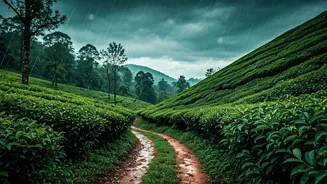
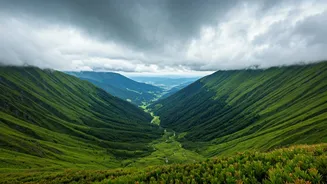
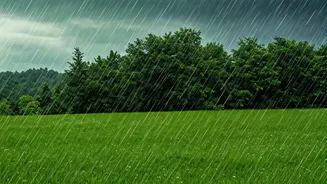
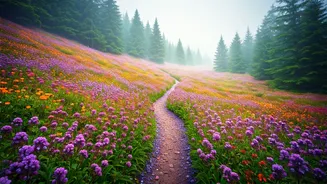
beauty. A recent report from Cleartrip, for instance, noted a 46% surge in monsoon travel bookings, with 24-to-30-year-olds leading this trend. The reasons are both practical and philosophical. Practically, off-season travel means lower prices for flights and luxury accommodations, and fewer crowds at iconic monuments. Imagine experiencing the lush, green landscapes of Kerala or the misty hills of Munnar without the usual throngs of tourists. This allows for a more personal and unhurried exploration.
Beyond the Picture-Perfect Postcard
This trend is also a quiet rebellion against the curated perfection of social media. While Instagram may be filled with images of sunny beaches and infinity pools, younger travellers are increasingly seeking experiences that feel more genuine and less staged. They are choosing lesser-known locations over places that have become social media famous. It's a shift from collecting digital content to creating real connections. The goal is no longer just to see a place, but to feel it. This is the heart of "experiential travel," a movement prioritising immersive activities—like learning a local craft or sharing meals with a host family—over passive sightseeing. This mindset values personal growth and authentic moments that can't be fully captured in a single post.
Defining 'Local Flavour'
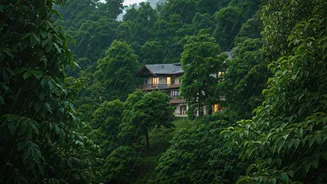
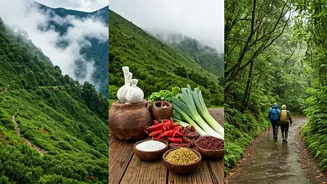
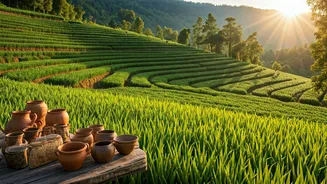
So, what exactly is the 'local flavour' this generation craves? It's about depth and participation. Instead of a hotel, they might choose a homestay or a heritage property run by a local family. Instead of generic souvenirs, they're interested in learning pottery from a local artisan. The focus is on activities that foster a genuine understanding of a place and its people. This includes everything from food-centric journeys like street food trails to adventure activities like trekking through remote villages and waterfall rappelling. This type of travel is inherently more sustainable, as it funnels money directly to local guides, artisans, and small businesses rather than large corporations.
A New Map of India
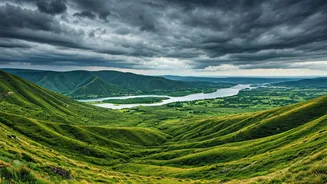
This shift in preference is redrawing India's travel map. While classic destinations remain popular, there's a surge in interest towards places that thrive during the monsoon. Hill stations like those in Uttarakhand, the lush Western Ghats, and the vibrant landscapes of the North-East are becoming go-to spots. Zostel reported a massive 95% growth in footfall in destinations like Srinagar and Tirthan Valley during the early monsoon period. Even Rajasthan, known for its arid climate, offers a unique charm with fewer crowds and greener-than-usual landscapes during the rains. The common thread is a desire for nature, atmosphere, and a break from the urban grind, with many young professionals opting for spontaneous, short 'mini-cations' or workcations.