


What Exactly Is Sattu?
Often called the “poor man’s protein,” sattu is a flour made from roasted grains and pulses, most commonly Bengal gram (chana). This ancient staple, particularly popular in regions like Bihar, Jharkhand, and Uttar Pradesh, is created by dry-roasting the grains before
grinding them into a fine powder. This roasting process is key; it not only imparts a unique nutty flavour but also enhances the flour's digestibility and extends its shelf life, making it a convenient, ready-to-eat source of nutrition. Unlike its raw cousin, besan (gram flour), sattu is pre-cooked and can be consumed without heating.
A Traditional Powerhouse of Nutrition
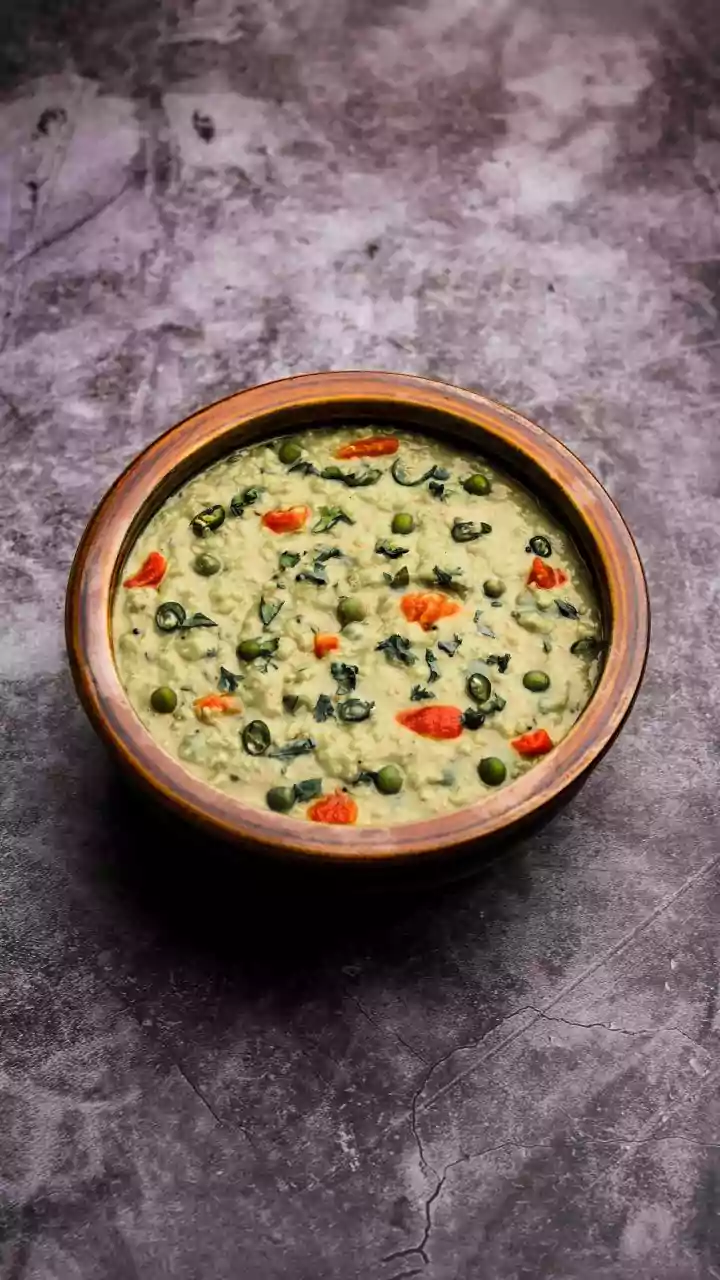
For centuries, sattu has been the go-to fuel for farmers and labourers, valued for its ability to provide sustained energy. Its most traditional form is as a cooling summer drink, or 'sharbat', where the flour is mixed with water, black salt, lemon juice, and roasted cumin. This concoction is celebrated for its hydrating and cooling properties, making it a perfect antidote to scorching summer heat. Beyond the sharbat, sattu is also the essential filling for iconic Bihari dishes like Litti Chokha and Sattu Parathas, serving as a hearty and nutritious meal. It has historically been a survival food for everyone from warriors to wrestlers, thanks to its portability and dense nutritional profile.
The Modern Makeover: Enter the Smoothie Bowl
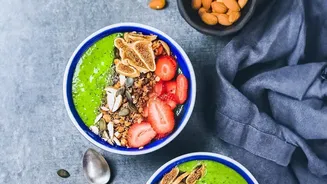
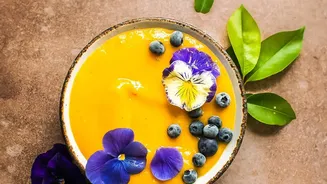
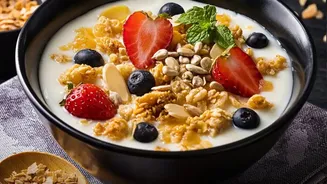
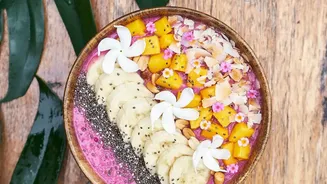
The “revolution” in sattu's use lies in its adoption by the modern wellness community. As people search for plant-based protein sources, sattu has emerged as a natural, unprocessed alternative to commercial protein powders. Its fine texture and mild, nutty taste make it an ideal thickener for smoothies and smoothie bowls, seamlessly blending with fruits, nuts, and seeds. This modern format takes sattu from a rustic staple to a chic, Instagram-worthy breakfast, aligning perfectly with global health trends that prioritise high-protein, high-fibre meals. It's a culinary bridge, connecting the wisdom of traditional Indian diets with the convenience of a contemporary breakfast bowl.
A Nutritional Knockout
The excitement around sattu is well-founded. It is a nutritional powerhouse, boasting around 20-26 grams of protein per 100 grams. But the benefits don't stop there. It's exceptionally high in dietary fibre, which aids digestion, promotes gut health, and keeps you feeling full for longer, helping with weight management. Sattu also has a low glycemic index, meaning it releases energy slowly and helps regulate blood sugar levels, making it suitable for diabetics. Furthermore, it is rich in essential minerals like iron, magnesium, and calcium, which support everything from bone health to energy metabolism.
How to Build Your Own Sattu Smoothie Bowl
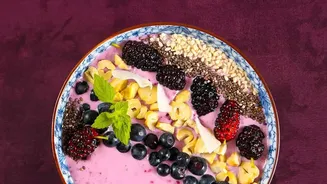
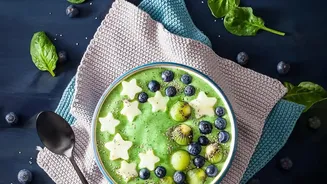
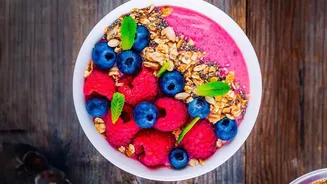
Creating your own sattu smoothie bowl is simple and endlessly customisable. The goal is a thick, spoonable consistency that can hold up to toppings. Start with a base: In a blender, combine 3-4 tablespoons of sattu, a ripe banana for natural sweetness and creaminess, and a splash of milk or plant-based milk of your choice. You can also use curd for a tangy flavour. Boost the flavour and nutrition: Add a tablespoon of peanut butter for healthy fats, a teaspoon of cocoa powder for a chocolatey twist, or a couple of dates for sweetness. Blend until smooth: Add more liquid if needed, but aim for a thick, ice-cream-like texture. Pour the mixture into a bowl. Get creative with toppings: This is where the magic happens. Top your bowl with fresh fruits like pomegranate seeds or sliced mango, a sprinkle of chia and pumpkin seeds for crunch, and a handful of nuts and granola for texture.