
The Pre-Drive Vehicle Inspection
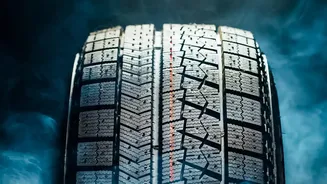
Before embarking on a monsoon ghat drive, a thorough vehicle inspection is non-negotiable. Start with the most critical components for wet conditions. Your tyres are your only contact with the road, so ensure they have a tread depth of at least 3mm to
prevent aquaplaning on wet surfaces. Also check that they are inflated to the manufacturer's recommended pressure, including the spare. Brakes are next; wet roads significantly increase stopping distances. If you hear any squealing or feel vibrations, get your brake pads and discs checked by a professional. Visibility is severely reduced during heavy rain, especially at night. Test all your lights—headlights (both high and low beam), taillights, brake lights, and fog lamps. Wipers that leave streaks are a hazard, so replace worn-out blades before your trip. Finally, have your battery checked, as increased use of lights and wipers can strain it.
Packing an Emergency Roadside Kit
Even with a perfectly maintained car, the unpredictable nature of the ghats in monsoon means you should be prepared for anything. An emergency kit can be a lifesaver if you get stranded. Your kit should include a basic tool kit, a tow rope, and jumper cables. A powerful, waterproof torch or flashlight is essential for night-time issues. Given the risk of landslides and road blockages, you could be stuck for hours, so pack extra food, snacks, and plenty of drinking water. A first-aid kit with essential medications is a must. In the modern age, a fully charged power bank for your mobile phone is crucial for communication. Also, pack a raincoat and an umbrella in case you need to step out of your vehicle.
Smart Driving on Treacherous Roads
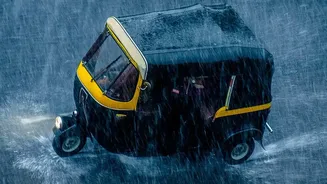
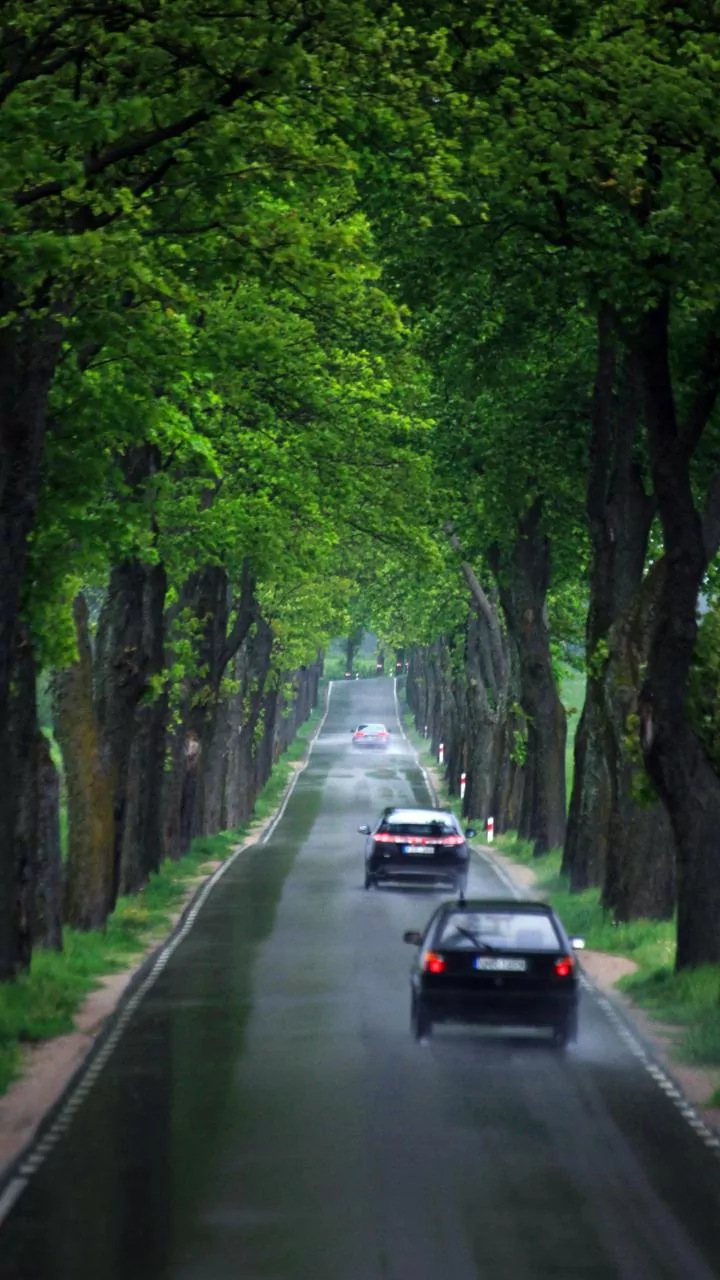
Once on the road, your driving style needs to adapt to the hazardous conditions. The most important rule is to slow down. Speed limits are for ideal, dry conditions, and reducing your speed gives you more time to react. Maintain at least double the usual following distance from the vehicle ahead to account for longer braking distances. When descending steep slopes, use engine braking by shifting to a lower gear instead of constantly riding the brakes, which can cause them to overheat and fail. Be extremely cautious of waterlogged patches. If you cannot gauge the depth of standing water, it's safer to avoid driving through it, as it can damage your engine and electrical systems. If you must cross, do so slowly in a low gear while keeping the engine revs high to prevent stalling.
Navigating the Ghats After Dark
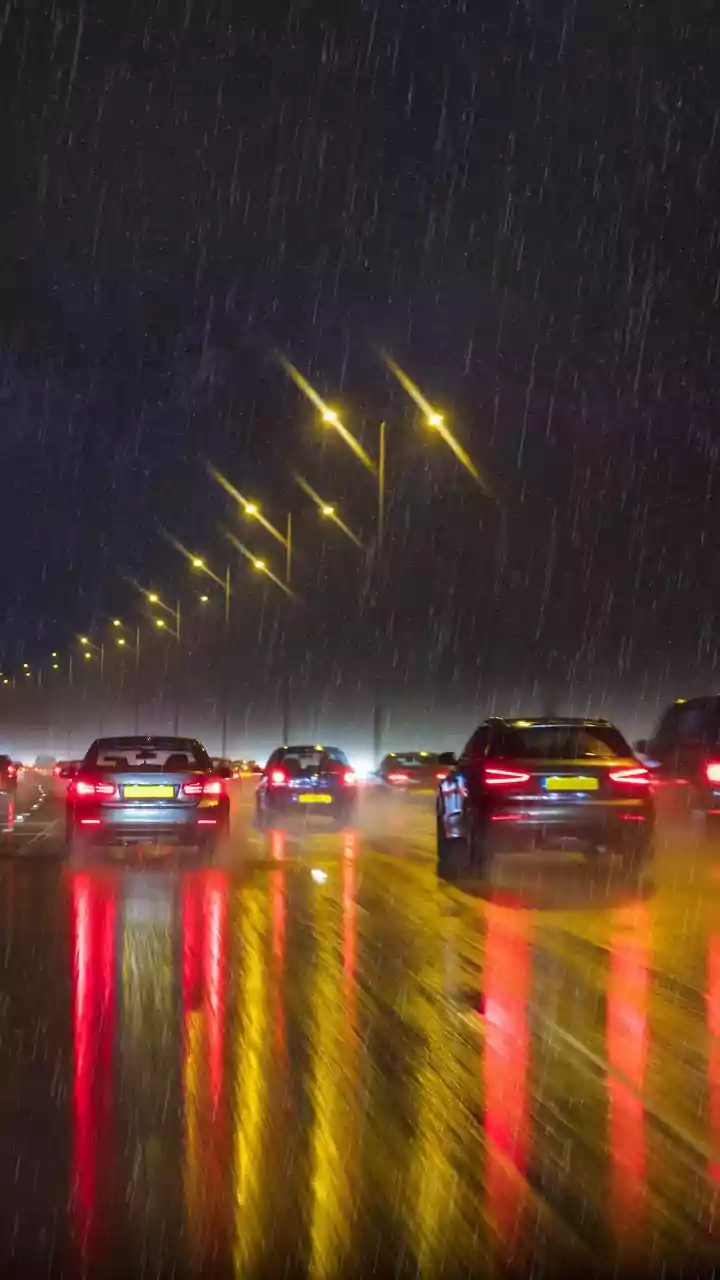
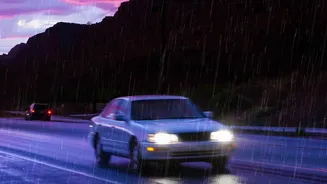
Driving at night adds another layer of complexity. Poor visibility from rain is compounded by darkness and fog, which is common in ghat sections. Use your low beam headlights in heavy rain or fog, as high beams reflect off the water droplets and worsen visibility. Be extra vigilant for unexpected obstacles like fallen trees, rocks from minor landslides, or animals on the road. Driving overnight means battling fatigue, which is a major risk. Plan your journey to include rest stops, and if you feel drowsy, pull over in a safe, well-lit area. Never park on a blind curve or on the road itself. Always keep local emergency numbers handy and let someone know your route and estimated time of arrival before you start.