



A Treasure Hunt Hits a Roadblock
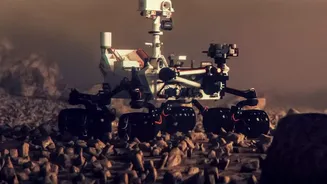
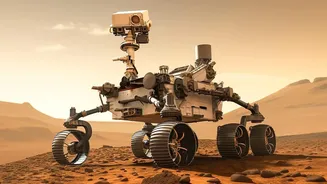
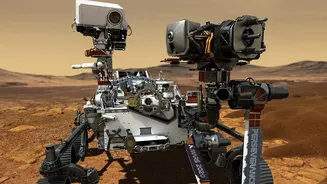
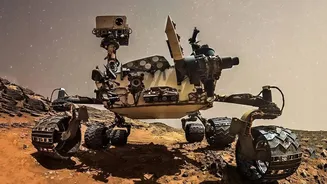
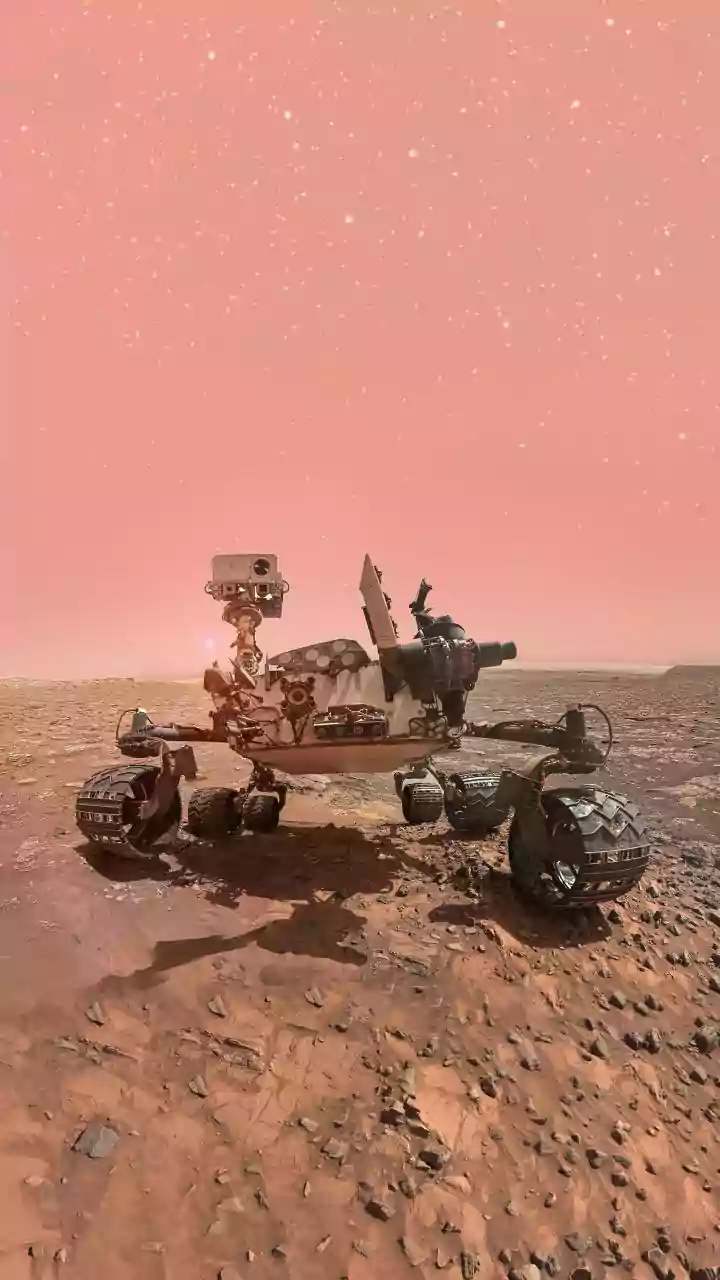
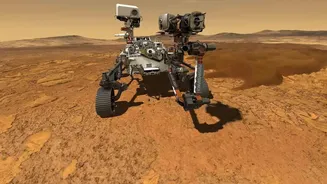
Since landing in 2021, NASA's Perseverance rover has been diligently working in Mars' Jezero Crater. It has been drilling into ancient lakebeds and volcanic rocks, collecting a unique geological treasure trove. These samples, sealed in titanium tubes,
represent our best chance to answer a fundamental question: did life ever exist on Mars? The original Mars Sample Return (MSR) program, a complex partnership with the European Space Agency (ESA), envisioned a series of robotic missions to fetch these tubes. However, the plan ran into significant turbulence. Independent reviews projected the cost could soar to $11 billion, with the samples not arriving on Earth until 2040. NASA's own leadership deemed this timeline too long and the price tag too high, forcing a major rethink of the entire endeavour.
Enter PSRA: A Strategic Reset
In response to these challenges, NASA has unveiled the Perseverance Sample Retrieval Architecture, or PSRA. It is important to understand that this is not a new, fully designed mission just yet. Instead, PSRA is a formal initiative to develop a completely fresh strategy. Announced on November 9, 2026, the goal of PSRA is to find a faster, cheaper, and more efficient way to get the job done. A dedicated strategy team will begin work in January 2027. Their mandate is to develop impartial recommendations by reviewing all previous plans, assessing current technology, and exploring new acquisition options. Essentially, NASA has hit the reset button to find a smarter path for its interplanetary retrieval mission.
Why These Martian Rocks Are Worth It
The immense effort is driven by the unprecedented scientific potential locked within these samples. While rovers like Perseverance can perform amazing science on Mars, the most sophisticated instruments are too large and power-hungry to send into space. Bringing the samples to Earth allows scientists to use the full power of our planet's best laboratories to search for definitive signs of past microbial life, or biosignatures. They can analyse the geochemistry in ways that are impossible on Mars, helping to reconstruct the planet's ancient climate and understand how it lost its water. Furthermore, these samples would be a resource for generations, allowing future scientists with more advanced technology to study them for decades to come.
A New Space Race and What's Next
The push for a new plan is not happening in a vacuum. There is a new sense of urgency driven by international competition. China is moving forward with its own ambitious Mars sample return mission, Tianwen-3, which aims to launch around 2028 and bring its own samples back as early as 2031. This has been described by some as a potential 'Sputnik moment', adding a competitive edge to NASA's scientific goals. The next steps for NASA are clear but deliberate. The PSRA strategy team will work through 2027, with a final report outlining their recommended new architecture due in the winter of 2027-2028. Only then will the specifics of a new, leaner Mars Sample Return mission begin to take shape.