




Embrace the Spirit of Sadya
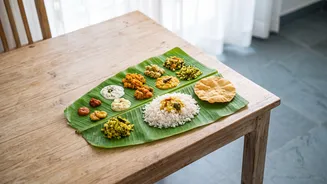
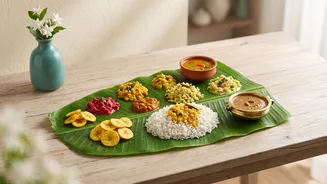
An Onam Sadya is more than just a meal; it's a ritual and a culinary experience balancing all six tastes: sweet, sour, salty, pungent, bitter, and astringent. Traditionally served on a fresh banana leaf, a Sadya can feature anywhere from a dozen to over
two dozen dishes. Don't feel pressured to make all 28+ items. A home-style Sadya with 10 to 12 essential dishes can be just as festive and delicious. The key is the variety and the love with which it’s prepared and shared.
The Art of Planning: Your Two-Day Prep Guide
Success lies in preparation. Starting everything on Thiruvonam morning (August 26, 2026) is a recipe for stress. Instead, spread the work over a few days. Two days prior, finalize your menu and go shopping. This includes sourcing essentials like Kerala Matta rice, fresh coconuts, vegetables like yam, ash gourd, and raw bananas, and store-bought items like pappadam and banana chips (upperi). The day before the feast is for chopping. You can prep vegetables for dishes like Avial, Sambar, and Thoran and store them in airtight containers. Some items, like the tangy ginger-tamarind chutney known as Puli Inji, can be made entirely in advance as their flavour improves over time.
The Core Components of the Feast
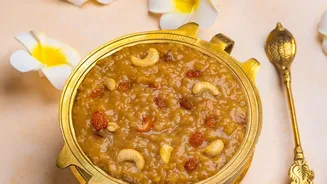
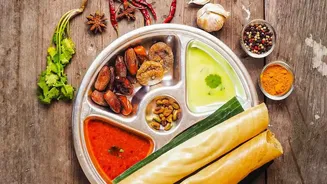
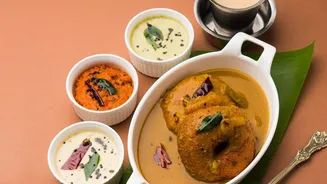
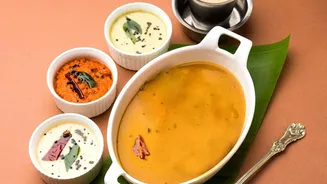
To simplify your menu, think in categories. First, the pickles and condiments like Inji Puli and mango pickle. Then, the lighter side dishes such as Kichadi (yogurt with cucumber or beetroot) and Pachadi (a sweet and tangy pineapple or yogurt dish). The heart of the meal includes richer vegetable preparations like Avial (mixed vegetables in a coconut-yogurt gravy), Thoran (a dry stir-fry with grated coconut), and Olan (a delicate curry of ash gourd in coconut milk). For the main gravy courses, Parippu (a simple moong dal curry), Sambar, and a tangy Pulissery are staples. No Sadya is complete without crispy Pappadam and at least one Payasam (a sweet pudding) for dessert.
The Serving Ritual: A Tradition on a Leaf
The way a Sadya is served is as important as the food itself. A fresh banana leaf (thooshanila) is placed with its narrow tip pointing to the left of the guest. The upper half of the leaf is for the side dishes, while the lower, larger half is for the rice. Small accompaniments like salt, banana chips, and pickles are placed on the top left corner. Following that, the vegetable dishes like Avial, Thoran, and Kootu Curry are served across the top half. Rice is served only after the guest is seated. The meal begins with a ladle of Parippu curry, often topped with ghee. Sambar is the next course, followed by the sweeter payasam, and then cleansing courses like Rasam and buttermilk to finish the feast.
Day-Of Cooking and Pro Tips
On the morning of the Sadya, focus on dishes that are best served fresh. This includes cooking the rice, preparing the Avial and Thoran, and frying the pappadams (unless you did this the day before and stored them in an airtight container). A great time-saving hack is to grind the coconut paste required for multiple dishes—like Avial, Thoran, and Kalan—in one large batch. Similarly, prepare the tempering (tadka) of mustard seeds, curry leaves, and red chillies in a larger quantity of coconut oil and add it to the respective dishes as they are finished. Involve your family; splitting the tasks is part of the community spirit of the festival.