






What Exactly Is Sumac?
Sumac is a coarse powder made from the dried and ground berries of the wild sumac shrub, Rhus coriaria. It has been a staple in Middle Eastern and Mediterranean cooking for centuries, used long before lemons were common in the region to add a sour taste
to food. The culinary variety is distinct from the poison sumac plant found in North America, so there's no need to worry. The spice is typically sold ground and has a beautiful, claret-red or purplish hue that instantly brightens any dish it touches. When buying, look for a vibrant, slightly moist powder; a dull, brownish colour suggests it might be old and less flavourful.
A Tangy Kick Without the Liquid
The single most useful quality of sumac for vegetarian cooking is its ability to provide a tangy, acidic flavour without adding any liquid. Its taste is often compared to lemon—bright, sour, and slightly fruity—but it's milder and less sharp than lemon juice. This is a huge advantage when you want to add acidity to dry rubs, roasted vegetables, or crispy snacks without making them soggy. For Indian cooks, its function is similar to that of amchur (dry mango powder). Both provide a sour taste in a dry form, though their flavour profiles differ; sumac is more lemony and astringent, while amchur is fruitier. This 'dry acid' makes sumac perfect for seasoning paneer or tofu before grilling, tossing with roasted potatoes, or sprinkling over a finished dish for a final burst of flavour.
A Pop of Vibrant Colour
Beyond its zesty flavour, sumac adds a stunning visual appeal to food. Its deep reddish-purple colour provides a beautiful finishing touch that makes simple dishes look restaurant-worthy. In vegetarian cooking, where dishes can sometimes appear brown or muted, a sprinkle of sumac offers an immediate pop of colour. Think of it garnishing a creamy bowl of hummus, a simple raita, a platter of roasted cauliflower, or a fresh salad. The colour comes from natural compounds called anthocyanins, which are released when they come into contact with a little moisture, staining foods with a lovely pinkish hue. This visual lift makes meals more appetizing before you even take the first bite.
A Versatile Partner for Vegetables and Dals
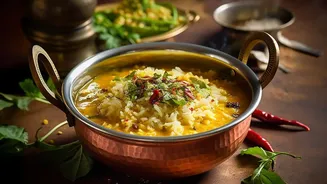
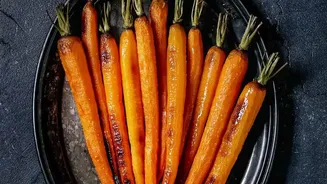
Sumac is incredibly versatile and pairs wonderfully with a wide range of vegetarian ingredients. It cuts through the richness of roasted root vegetables like sweet potatoes and carrots, enhances the earthy flavour of brinjal and mushrooms, and brightens up simple salads. A simple sumac and onion salad is a classic accompaniment to rich dishes in Middle Eastern cuisine. You can easily adapt this for Indian meals as a zesty side for dal and sabzi. Try tossing fried bhindi (okra) with sumac and salt for a crunchy, tangy snack. It can be blended into marinades for paneer and vegetable kebabs, mixed into yogurt-based dips, or simply sprinkled over a finished dal for a surprising, pleasant tang.
More Than Just Flavour
While we use spices primarily for flavour, many, including sumac, come with added benefits. Sumac is rich in antioxidants, particularly flavonoids and polyphenols, which help protect the body against cellular damage. Traditional medicine has long used sumac for various purposes, including as a digestive aid. While a culinary sprinkle won't act as a medical treatment, it’s a nice bonus to know that this flavour-enhancer is also packed with beneficial plant compounds.
Finding and Using Sumac in India
Once a speciality item, sumac is now increasingly available in India. You can find it at gourmet food stores like Foodhall and Nature's Basket, as well as on major online platforms such as JioMart and Flipkart. Start by using it as a finishing spice—sprinkle it over salads, eggs, or dips right before serving. Mix it with salt and pepper to create a simple rub for roasted vegetables like potatoes and cauliflower. For a simple dressing, whisk it with olive oil and a touch of honey. Its ability to seamlessly blend into both Middle Eastern and Indian flavour profiles makes it a rewarding spice to experiment with.