








The Truth About the 200-Strand Count
First, let's address that number. While seeing 200 strands of hair fall out in a day can feel like a crisis, it’s not an automatic sign of disaster. The average person loses between 50 and 100 hairs daily as part of a natural cycle. Factors like hair length
(longer hair is more visible), washing frequency (you shed more on wash days), and even seasonal changes can push this number closer to 150 or 200 temporarily. The key isn't a single day's count, but a consistent, noticeable increase in shedding over several weeks. If your ponytail feels thinner or you see more scalp than before, that's a more reliable indicator that it's time to pay attention.
Understanding Your Hair's Natural Cycle
Your hair grows in three main phases. The Anagen phase is the active growth period, lasting several years. The Catagen phase is a short, transitional period. Finally, the Telogen phase is a resting stage where the hair follicle prepares to shed the old strand and grow a new one. About 10-15% of your hair is in this resting phase at any given time. Excessive shedding, known as Telogen Effluvium, happens when a stressor—be it physical or emotional—pushes a larger-than-normal percentage of your hair into the Telogen phase all at once. This results in a sudden, diffused shedding a few months after the triggering event.
The Common Culprits: Diet and Stress
Trichologists often point to two major factors behind increased hair fall in India: nutritional deficiencies and stress. A diet lacking in essential nutrients is a primary cause. Iron deficiency (anaemia) is particularly common and a major contributor to hair loss, especially for women. Insufficient protein, which is the very building block of hair, as well as low levels of Vitamin D, B12, and Zinc can also severely impact hair health. Alongside diet, chronic stress elevates cortisol levels in the body, which can disrupt the hair growth cycle and trigger Telogen Effluvium. It's a vicious cycle, as worrying about hair loss only adds to the stress.
Your Plate: The First Line of Defence
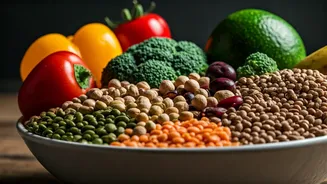
You can't build strong hair without the right materials. Focus on a balanced diet rich in hair-friendly nutrients. For iron, include spinach (palak), lentils (dal), chickpeas, and beetroot in your meals. Pair them with a source of Vitamin C, like lemon or amla, to boost absorption. Ensure you’re getting enough protein from sources like eggs, chicken, fish, paneer, and Greek yoghurt. Nuts and seeds, particularly pumpkin seeds and walnuts, are excellent sources of Zinc and Omega-3 fatty acids, which support a healthy scalp. If you suspect a deficiency, don't just start popping supplements; get a blood test to confirm and follow your doctor's advice.
Lifestyle Tweaks and Gentle Hair Care
Beyond diet, your daily habits matter. Managing stress through activities like yoga, meditation, or even a simple 20-minute walk can help regulate cortisol and support healthier hair growth. When it comes to hair care, be gentle. Avoid harsh chemical treatments, tight hairstyles like high ponytails or braids that pull on the roots (traction alopecia), and excessive heat styling. Use a wide-tooth comb on wet hair, starting from the ends and working your way up to the roots. Choose a sulphate-free shampoo that suits your scalp type and don't be afraid to wash your hair regularly—a clean scalp is a healthy scalp.
When to Consult a Professional
If you've implemented these changes for a few months and are still seeing excessive shedding, or if your hair loss is concentrated in specific patches, it's time to see an expert. A qualified trichologist or dermatologist can perform a proper diagnosis. They may use a dermascope to examine your scalp, ask for blood tests to check for underlying health issues or hormonal imbalances (like thyroid disorders or PCOS), and create a targeted treatment plan. Early intervention is key, so don't hesitate to seek professional help if you're concerned.