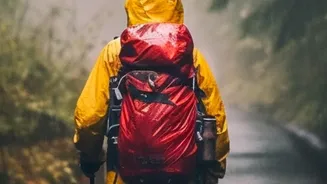







Embrace the Art of Layering
Layering is the single most effective strategy for multi-climate travel. Instead of packing bulky, single-purpose items, think in terms of a three-part system that you can adapt on the fly. Your base layer, worn against the skin, should be made of a moisture-wicking
fabric to keep you dry. Your mid-layer provides insulation; think a fleece jacket or a light down vest. Finally, your outer layer, or shell, should be a windproof and waterproof jacket to protect you from the elements. This system allows you to add or remove pieces as you move from a warm afternoon in the city to a chilly evening in the hills.
Choose Your Fabrics Wisely
The right fabrics make all the difference. While cotton is comfortable in dry heat, it absorbs moisture and dries slowly, making it a poor choice for humid or cold conditions where staying dry is crucial. Prioritise performance fabrics. Merino wool is a travel superstar; it regulates temperature in both hot and cold weather, wicks moisture, and resists odour, meaning you can wear it multiple times. Synthetics like polyester and nylon are also excellent choices as they are quick-drying and durable. For a warm mid-layer, nothing beats the warmth-to-weight ratio of a packable down jacket.
Adopt a Multi-Purpose Mindset
Every item in your bag should earn its spot. Look for versatile pieces that can serve multiple functions. A large, lightweight scarf or a traditional dupatta can be a head covering for sun protection, a shoulder wrap for visiting religious sites, an accessory to dress up an outfit, or even a beach cover-up. Trousers with zip-off legs can transform into shorts for warmer days. A packable puffer jacket can often be stuffed into its own pocket to become a surprisingly comfortable travel pillow. Choosing a neutral colour palette for your main items allows for easy mixing and matching, creating numerous outfits from fewer pieces.
Build a Solid Footwear Foundation
Shoes are often the bulkiest items in a suitcase, so choosing wisely is critical. For most multi-climate trips in India, a three-pair system works wonders. Start with a comfortable pair of sandals or flip-flops, essential for warm weather and casual wear. Next, pack a sturdy pair of all-day walking shoes or sneakers that can handle city streets and light trails. If your itinerary includes serious trekking or cold, wet conditions, your third pair should be waterproof hiking shoes with good ankle support. Always wear your heaviest pair of shoes on the plane to save space and weight in your luggage.
Don't Forget Smart Accessories
Small accessories can solve big problems. A waterproof backpack cover is invaluable for protecting your gear during unexpected downpours. A universal sink plug can turn any basin into a laundry station for hand-washing small items. A quick-dry travel towel is far more practical than a bulky cotton one. Other essentials include a good pair of sunglasses, sunscreen, and lip balm with SPF, as sun exposure can be intense at high altitudes. Finally, packing cubes can help you organise your layers and compress clothing to maximise space.
A Sample 10-Day Packing List
To put it all together, here is a sample list for a trip from a city like Mumbai to the Himalayan foothills: - Tops: 2 merino wool or synthetic t-shirts, 1 long-sleeved base layer, 1 button-down shirt (for layering or wearing alone). - Layers: 1 fleece or mid-weight hoodie and 1 packable waterproof/windproof jacket. - Bottoms: 1 pair of comfortable travel trousers, 1 pair of convertible hiking pants or sturdy leggings. - Dress/Formal: 1 versatile dress or a pair of chinos and a nicer shirt for evenings. - Footwear: Comfortable sandals, walking shoes, and hiking boots (if needed). - Accessories: 3-4 pairs of wool socks, a scarf/buff, a beanie, gloves, and sunglasses. This minimalist wardrobe, focused on layering and performance, ensures you are prepared for any weather without being weighed down.