







Why July Is the Perfect Pickle Month
Across many parts of India, the monsoon season brings an abundance of tomatoes. While peak harvest seasons can vary, July often sees markets flush with vibrant, flavourful produce. This seasonal glut means that tomatoes are not only at their best in terms
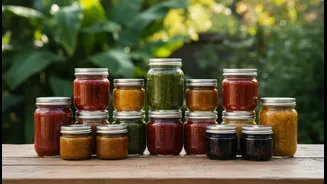
of taste and quality but are also more affordable, making it the ideal time to buy them in bulk for pickling. Making pickle now allows you to preserve the fresh, robust flavour of these seasonal tomatoes, creating a condiment that can bring a taste of sunshine to your meals during the leaner months. It’s a timeless tradition, turning a surplus of produce into a shelf-stable treasure that adds a punch of flavour to everyday meals.
The Classic Andhra-Style Tomato Pickle
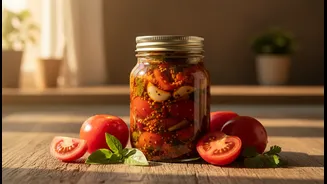
This recipe, inspired by the bold flavours of Andhra cuisine, creates a pickle that is tangy, spicy, and deeply satisfying. Ingredients: 1 kg ripe but firm tomatoes, washed, dried, and chopped 1/2 cup sesame oil (gingelly oil) 4-5 tbsp red chilli powder (adjust to your spice preference) 2 tbsp salt (or to taste, pickling requires generous salting) 1 tbsp mustard seeds 2 tsp fenugreek seeds (methi) 10-12 cloves garlic, lightly crushed 1.5 tbsp thick tamarind pulp 1/2 tsp turmeric powder A pinch of asafoetida (hing) Instructions: 1. Dry roast the fenugreek seeds and 1 teaspoon of mustard seeds on low heat until aromatic. Let them cool and then grind to a coarse powder. 2. Heat 3 tablespoons of oil in a heavy-bottomed pan. Add the chopped tomatoes and turmeric powder. Cook, stirring occasionally, until the tomatoes turn soft and mushy, and most of the moisture has evaporated. 3. Add the tamarind pulp and salt, and continue to cook until the mixture thickens and oil begins to separate from the sides. Let this mixture cool completely. 4. In a separate small pan, heat the remaining oil for the tempering (tadka). Add the rest of the mustard seeds. Once they splutter, add the crushed garlic and asafoetida. Sauté until the garlic is lightly golden. 5. Turn off the heat and add the red chilli powder to the hot oil. Give it a quick stir and immediately pour this tempering over the cooled tomato mixture. 6. Add the ground fenugreek-mustard powder and mix everything thoroughly. Your pickle is now ready.
Tips for Pickle Perfection
Making the perfect pickle is an art, but a few key principles will ensure success. First and foremost, moisture is the enemy. Ensure your tomatoes, jars, spoons, and hands are completely dry, as any water can lead to spoilage. Be generous with salt and oil; they are natural preservatives that not only add flavour but also significantly extend the pickle's shelf life. Use good quality sesame oil (gingelly) for an authentic South Indian flavour, though groundnut oil can also be used. When selecting tomatoes, choose ones that are ripe for flavour but still firm to the touch. Overly soft or bruised tomatoes can make the pickle mushy.
Storing Your Tangy Treasure
Proper storage is crucial to enjoying your homemade pickle for months to come. Always use clean, sterilized, and completely dry glass or ceramic jars with airtight lids. Plastic containers can react with the acids in the pickle, altering the taste. Before transferring the pickle, allow it to cool down to room temperature completely. Once jarred, it's a good practice to let the pickle rest for a day or two at room temperature for the flavours to meld and deepen. For a longer shelf life, you can store the pickle in the refrigerator, where it can last for up to six months. Always use a clean, dry spoon to serve the pickle to prevent contamination and spoilage.