







What Exactly Is Ambali?
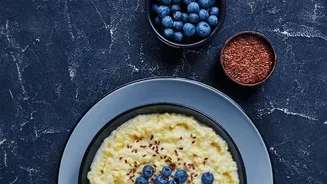
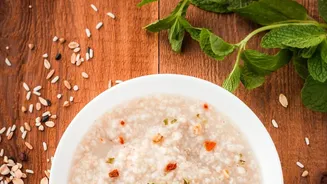
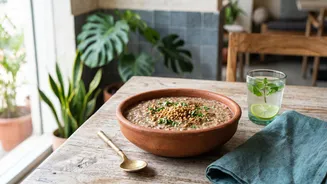
Ambali, also known as Ragi Koozh or Ragi Java in different parts of South India, is a traditional beverage made from finger millet (ragi) flour. It has the consistency of a thin, drinkable porridge and a characteristically mild, tangy flavour. Historically,
it was a farmer’s breakfast, valued for its cooling properties and ability to provide sustained energy for a hard day's work. The preparation is simple: ragi flour is cooked into a porridge, which is then left to ferment overnight. The next day, it is typically mixed with buttermilk or curd, salt, and sometimes garnished with chopped onions or coriander, transforming it into a savoury, refreshing drink. Its recent appearance in urban cafes signals a major shift, moving this rustic staple into the world of modern wellness.
The Nutritional Power of Ragi
The foundation of Ambali's health halo is its primary ingredient: ragi. Finger millet is a nutritional powerhouse, long celebrated in Indian food traditions. It is exceptionally rich in calcium, containing significantly more than other cereals, making it excellent for bone health. It's also a great source of iron, which helps combat anaemia, a condition prevalent among Indian women. Furthermore, ragi is loaded with dietary fibre, which aids digestion, promotes feelings of fullness for weight management, and helps regulate blood sugar levels due to its low glycemic index. As a naturally gluten-free grain, it's also a safe and healthy option for individuals with gluten intolerance or celiac disease.
The Magic of Fermentation
What elevates Ambali from a simple millet porridge to a super-drink is the fermentation process. When the cooked ragi is left to sit, beneficial microorganisms get to work. This process does two critical things. First, it creates probiotics—live beneficial bacteria that are essential for a healthy gut microbiome. A healthy gut is linked to better digestion, stronger immunity, and even improved mood. Second, fermentation breaks down 'anti-nutrients' like phytic acid, which are naturally present in grains. By reducing these compounds, fermentation dramatically increases the bioavailability of minerals like iron, zinc, and calcium, meaning your body can absorb them much more effectively.
A Return to Traditional Wisdom
Ambali's resurgence is part of a larger movement across India towards embracing traditional and indigenous foods. For years, millets were seen as humble, rural foods, overshadowed by polished rice and wheat. Today, a new generation of health-conscious urban consumers is rediscovering the wisdom of their ancestors' diets. There is a growing awareness that these traditional foods are not only sustainable but also perfectly suited to local climates and body types. Ambali, with its all-natural ingredients and time-tested health benefits, fits perfectly into this narrative. It represents a delicious and authentic alternative to processed health drinks and imported 'superfoods'.
Why Cafes Are Saying Yes
For city cafes, adding Ambali to the menu is a smart business decision. It taps directly into the wellness trend, appealing to customers who are actively seeking out functional foods that offer benefits beyond basic nutrition. A drink that is probiotic, cooling, and nutrient-dense is an easy sell. It also adds a unique, local story to the menu, setting a cafe apart from competitors serving the standard fare. In a market where consumers are increasingly interested in 'clean' and 'intentional' consumption, a traditional drink like Ambali offers novelty, authenticity, and a powerful wellness narrative all in one glass. It’s a taste of tradition, repackaged for the modern, health-aware patron.