




What Exactly Is Sourdough Discard?
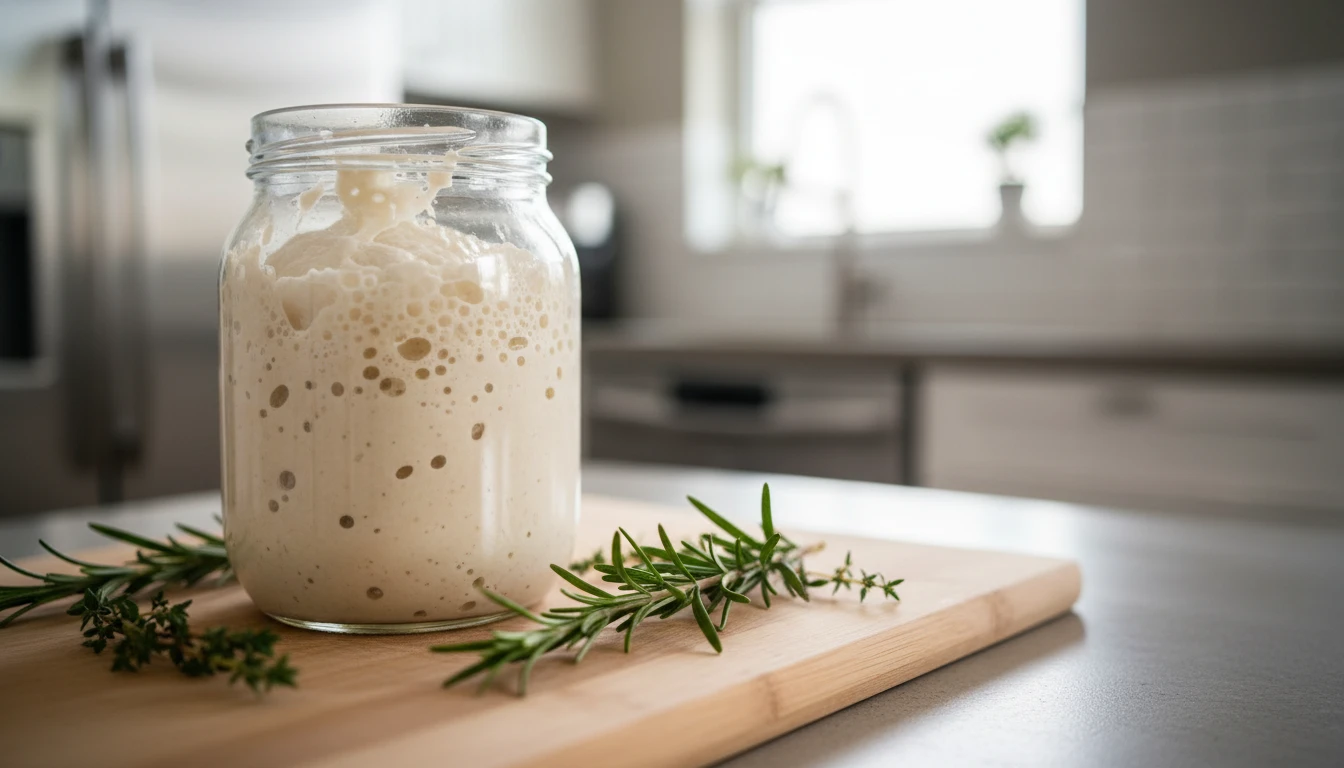
Before you can appreciate its potential, it’s important to understand what sourdough discard is. A sourdough starter is a living culture of flour and water, filled with natural yeasts and bacteria. To keep it healthy, active, and manageable, you must
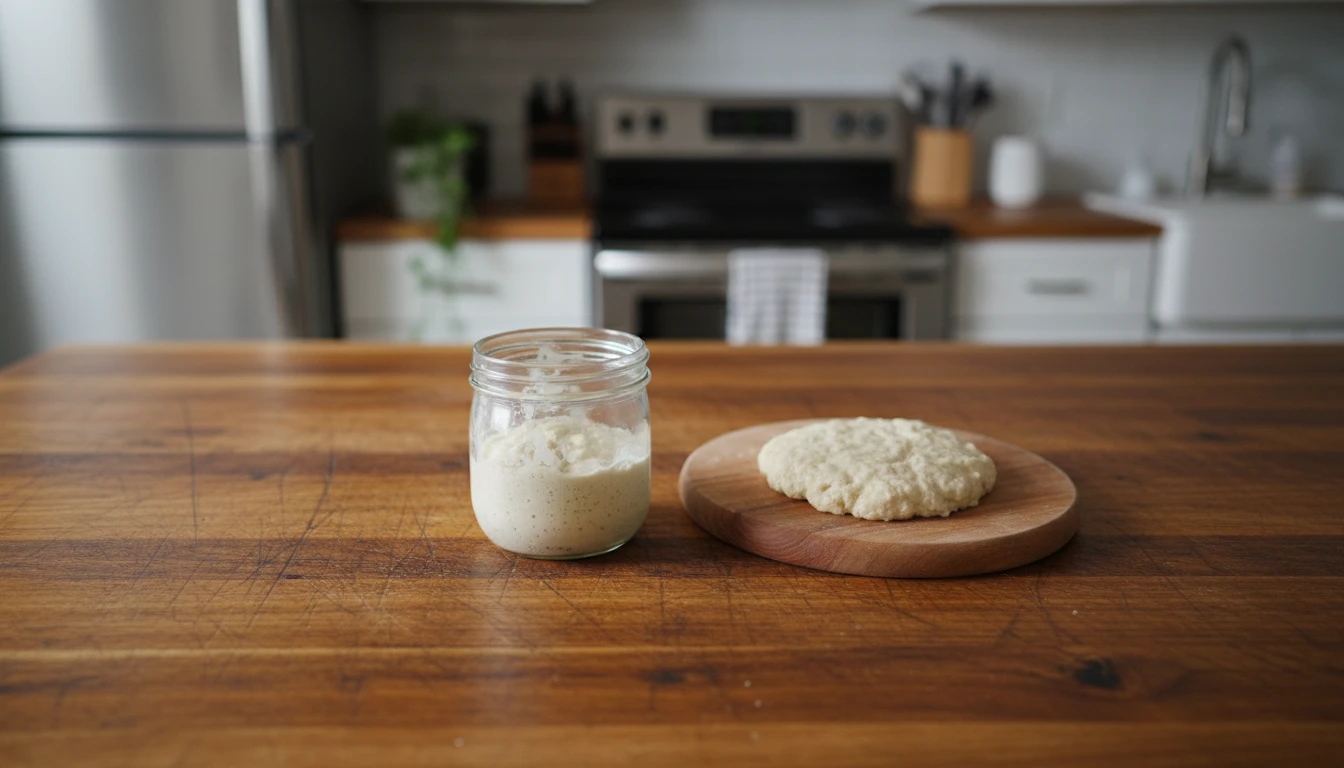
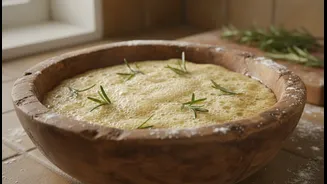
regularly “feed” it fresh flour and water. But before you feed it, you need to remove a portion of the existing starter; this removed portion is the “discard”. The name is a bit of a misnomer, as it implies something to be thrown away. However, this unfed starter is a powerhouse of flavour. While it's no longer active enough to leaven a loaf of bread on its own, it’s packed with the complex, tangy notes that fermentation develops.
The Zero-Waste Philosophy in a Jar
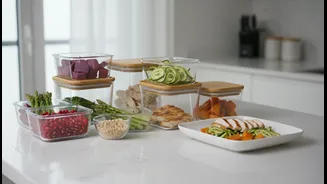
The core principle of zero-waste kitchen management is to use everything and waste nothing. Tossing out a cup of flour and water mixture every day or week is fundamentally at odds with this philosophy. Saving and using the discard is a simple, direct action that reduces food waste. Many bakers collect their discard in a dedicated jar in the refrigerator, adding to it with each feeding. This jar becomes a ready-to-use ingredient, turning what was once a routine disposal into a resource. This practice isn't just about being frugal; it's about respecting the ingredients and the time invested in cultivating the starter in the first place. By reframing discard as a 'sourdough surplus', home bakers align their passion with sustainable living.
More Than Just Waste: The Culinary Advantage
The real magic of sourdough discard lies in the flavour and texture it imparts to other recipes. Because it's fermented, the discard has a pronounced, tangy flavour that can be much more complex than that of a young, active starter. This acidity adds a layer of depth to both sweet and savoury dishes, much like buttermilk or yogurt would. It also tenderises baked goods. The acidity in the discard helps to soften gluten, resulting in a fluffier, more tender crumb in things like pancakes, waffles, and quick breads. Furthermore, it can help baked goods stay moist and fresh for longer. Some sources even note that the fermentation process makes the flour easier to digest and can lower the glycemic index of the final product.
Unlocking a World of Creative Recipes
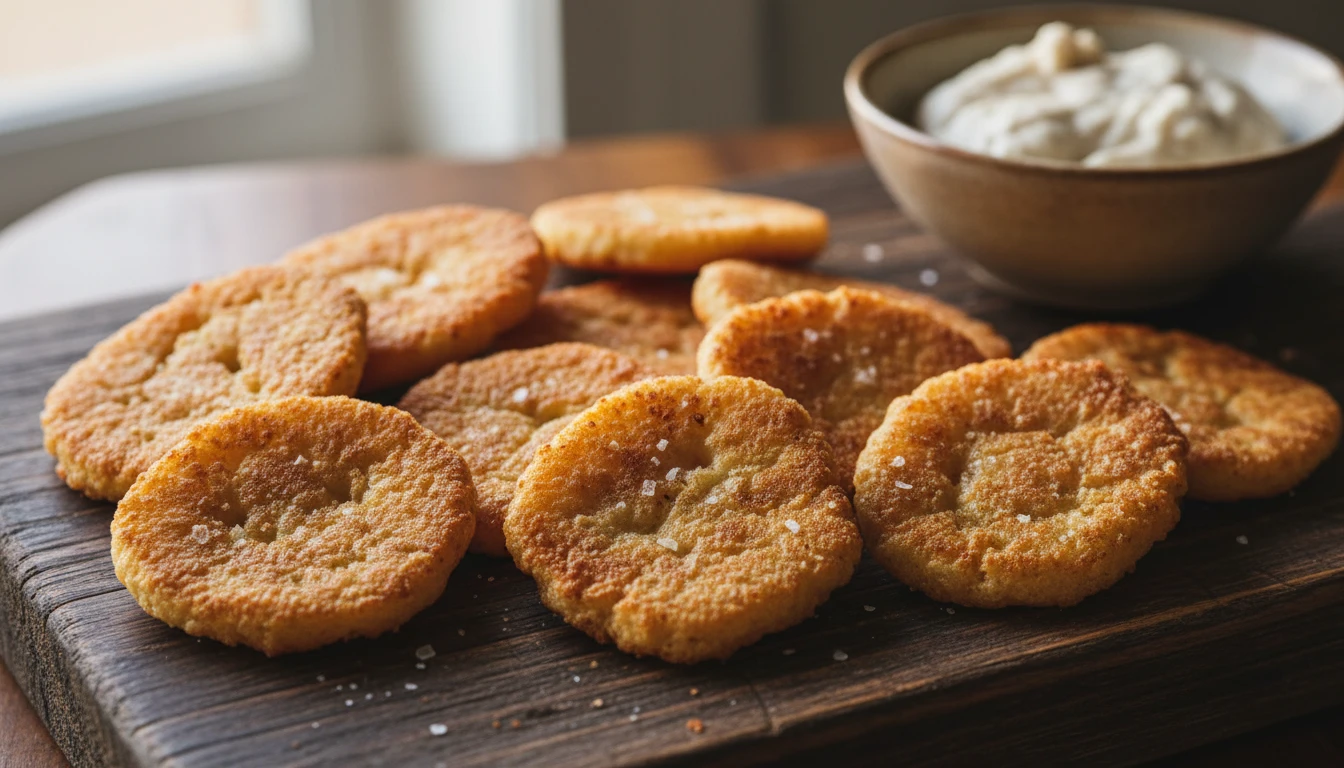
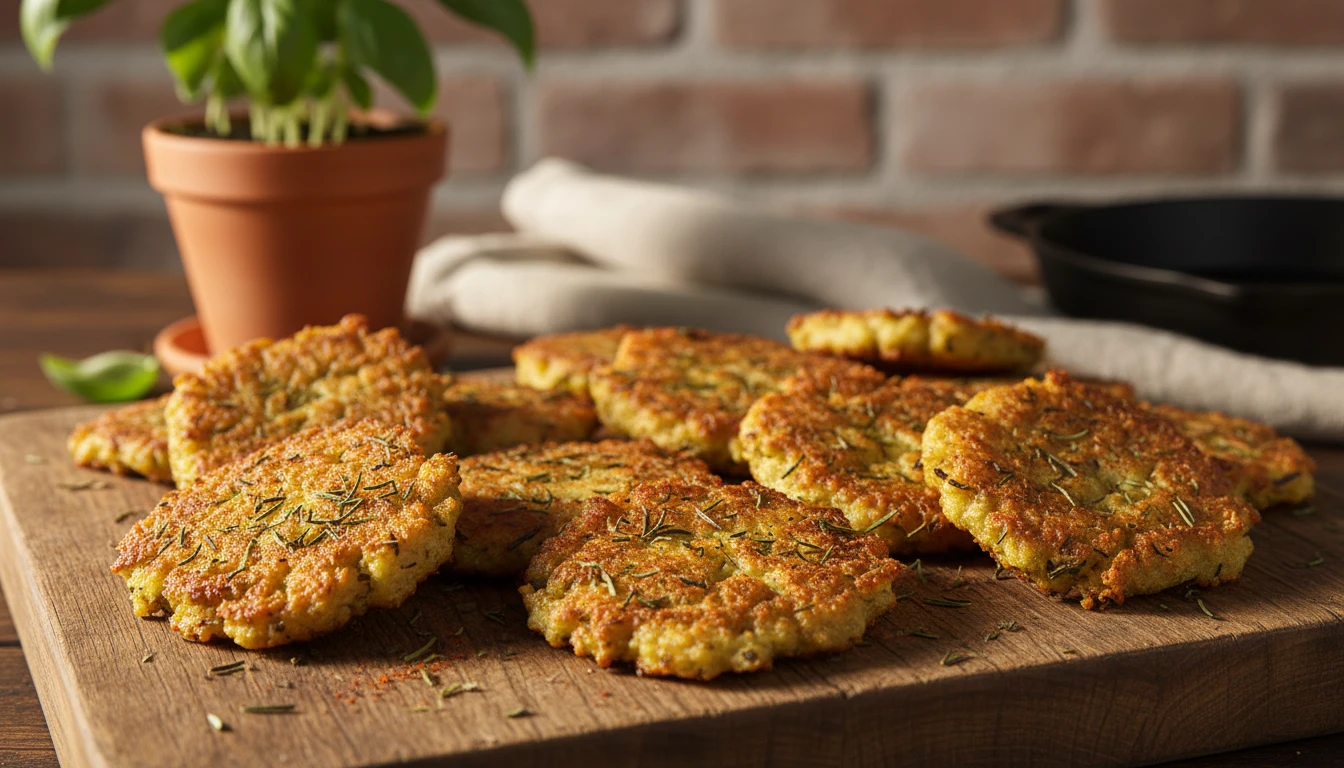
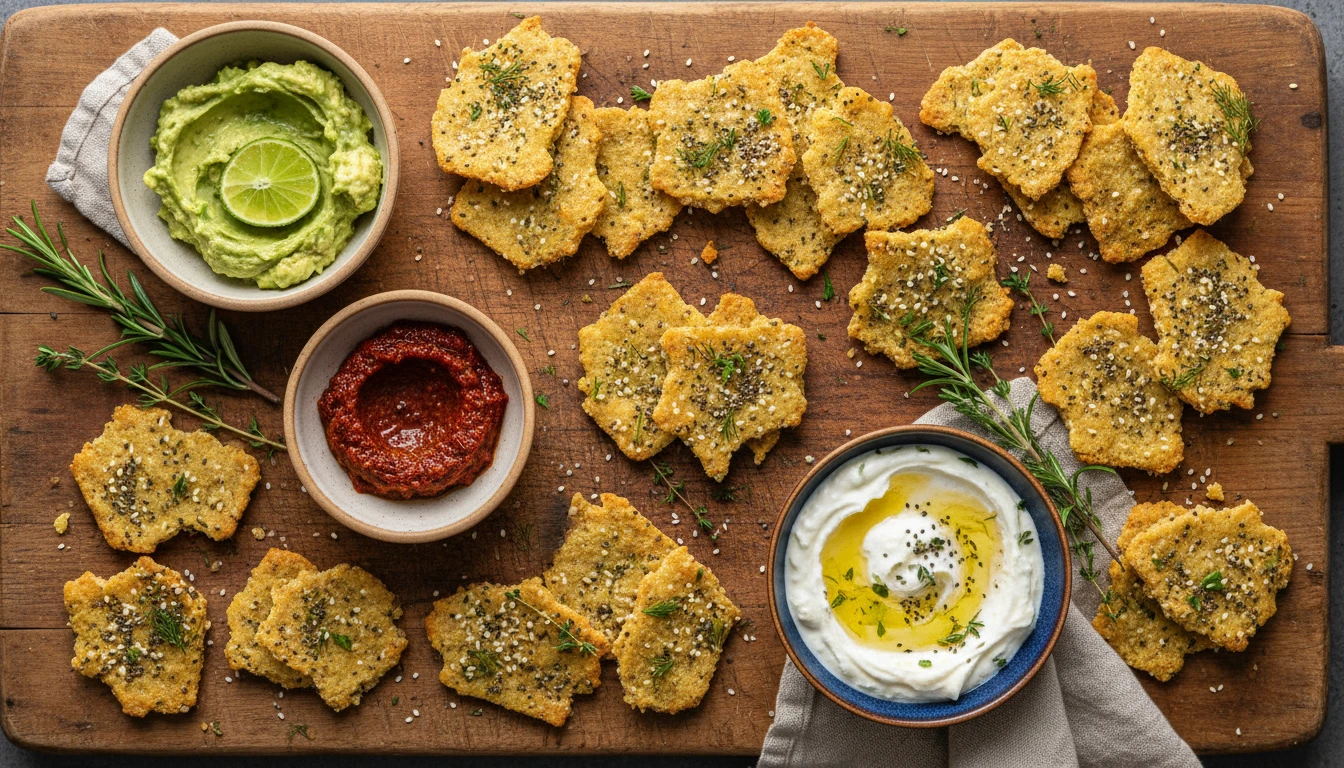
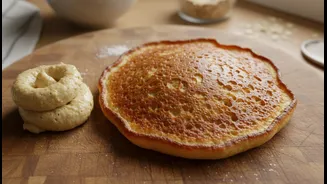
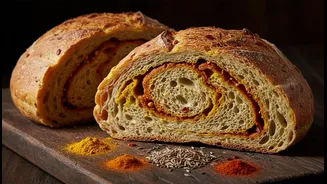
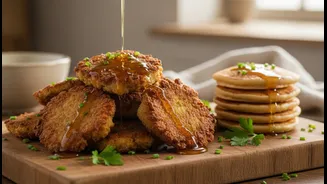
So, what can you actually make with it? The possibilities are surprisingly vast. The discard's acidity and flavour make it a natural fit for recipes that already have a bit of tang. Think pancakes, waffles, and biscuits, where it can be swapped in to add complexity. But its use extends far beyond breakfast. Creative bakers are using discard to make everything from flavourful pizza crust and crackers to soft pretzels and fresh pasta. It can be incorporated into sweet recipes like chocolate chip cookies, brownies, muffins, and even cakes, where it balances sweetness and adds a subtle depth. From savoury fritters and quick breads like banana or zucchini bread to tortillas and pie crusts, sourdough discard proves it’s not an afterthought but a secret weapon for better baking.
Getting Started with Your Discard
Using sourdough discard is straightforward. The most common practice is to store it in a sealed container, like a mason jar, in the refrigerator. It can be kept for about a week or two; the longer it sits, the more sour it will become, which might be desirable for certain savoury recipes but less so for sweets. To use it in a recipe that doesn't specifically call for it, a general rule is to substitute equal parts of flour and liquid. For example, if you add 1 cup (about 227g) of 100% hydration discard, you should reduce the flour in your recipe by ½ cup (113g) and the liquid by ½ cup (113g). This works best in forgiving recipes like batters and quick breads, allowing you to experiment freely.