





It’s a familiar kitchen scene: a pile of vibrant, leafy spinach and a handful of firm, crisp carrots hit a hot pan. Minutes later, the spinach has vanished into a fraction of its size, while the carrots have simply softened. Why the dramatic difference?
A Tale of Two Structures
The secret to this culinary disappearing act and transformation lies in the fundamental structure of the vegetables themselves. Carrots are roots, and spinach consists of leaves. This basic botanical difference dictates how each responds to heat. A carrot's primary job is to be a sturdy anchor and nutrient storage unit for the plant. Spinach leaves, on the other hand, are delicate solar panels, designed for photosynthesis. Their cellular architecture is built for these very different purposes, which in turn defines their fate in the kitchen.
The Science of a Carrot's Softness
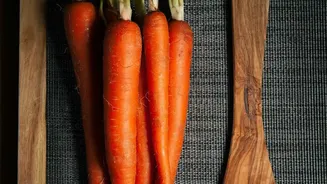
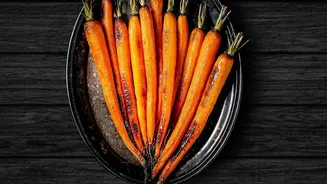
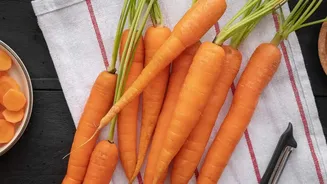
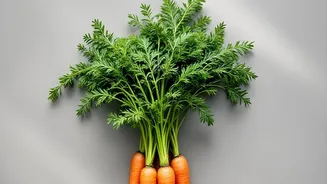
A raw carrot gets its rigidity from two main components: its cell walls and the 'glue' that holds them together. The walls are made of tough fibres like cellulose and hemicellulose. The glue, known as pectin, acts as a cement, binding all the individual cells into a dense, firm structure. When you cook a carrot, you are applying heat. While the cellulose fibres themselves are quite heat-resistant, the pectin glue is not. As temperatures rise, the pectin begins to dissolve. This breakdown of the intercellular cement allows the cells to slide past one another. The carrot doesn't melt; rather, its tightly packed structure loosens, which our teeth perceive as tenderness. The cells themselves remain largely intact, but the bonds between them have weakened, transforming the carrot from crisp to soft.
Spinach and the Great Collapse
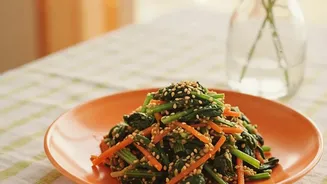
Spinach tells a completely different story. As a leaf, it is composed of about 90% water. This water isn't just sloshing around; it’s mostly contained within the plant's cells in a vacuole, a sort of internal water balloon. The pressure of this water pushing against the cell wall is called turgor pressure, and it's what makes fresh spinach feel crisp and full. When you introduce heat, the delicate cell membranes rupture. All that water, once neatly contained, comes rushing out. The internal pressure drops to zero, and the cell structure collapses. This is why a huge bunch of spinach can wilt down to a small, dense pile. You're not losing the spinach itself, but the water that once gave it volume and structure.
What About Other Vegetables?
This same principle applies across the vegetable kingdom. Sturdy root vegetables like potatoes and parsnips soften for the same reason carrots do: the breakdown of pectin. They have dense cell structures built for storage. In contrast, other leafy greens like kale and chard wilt similarly to spinach, as heat releases the water that provides their structure. Vegetables that are botanically fruits, such as tomatoes and bell peppers, also have thinner cell walls and high water content, leading them to soften and release liquid quickly. Understanding whether a vegetable's texture comes from tough cellular glue or high water pressure is the key to predicting how it will behave when cooked.