







The Reality on the Ground
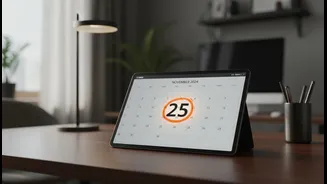
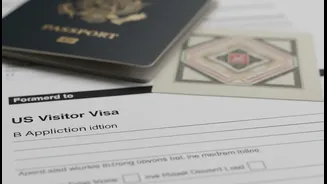
The dream of visiting the United States is currently meeting the harsh reality of prolonged visa appointment queues. As of mid-2026, first-time applicants for the B1/B2 visitor visa are facing significant delays across India. For instance, recent data
indicates wait times can be as long as 9.5 months in major hubs like Mumbai and Hyderabad. New Delhi is not far behind, with waits averaging around 7.5 months, while Chennai sits at 5.5 months. Kolkata currently offers the shortest wait among major posts, but even that is a considerable 4 months. These figures, which represent the time from paying the fee to the interview date, underscore a challenging landscape for travellers needing to plan family visits, business trips, or holidays. While these times have improved from the peak backlogs of previous years, they remain a critical factor in planning any US travel.
Decoding the Delays
The long wait times are not due to a single issue but a combination of factors. A primary driver is the unprecedented demand for US travel from India. This includes a surge in applications from students, tourists, and business professionals. Following the global pandemic, a massive backlog of applications built up, and while consulates are processing visas at record rates, demand continues to outpace capacity. The US Mission in India processed a record 1.4 million visas in 2023, yet the sheer volume of new applicants keeps the pressure on. Furthermore, staffing levels at consulates, though increasing, are still working to catch up to the sheer volume. This combination of soaring demand and finite processing resources is the core reason why securing an appointment has become a test of patience.
What the US Mission Is Doing
In response to the lengthy queues, the U.S. Mission in India has launched several initiatives to increase capacity. Consulates have been holding special “Super Saturday” interview days to accommodate more applicants who require in-person interviews. They have also been actively working to increase the number of consular officers permanently assigned to posts across India. Another key strategy has been the implementation of remote processing for certain interview waiver cases, which frees up in-person slots for first-time applicants. While these efforts have helped reduce the wait times from their post-pandemic peak, officials acknowledge that the immense demand continues to present a significant challenge.
Your Strategy: Navigating the System
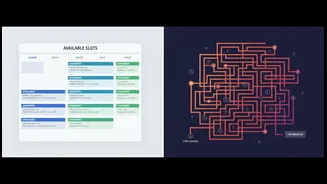
While the situation can seem daunting, there are strategies applicants can use. The most crucial advice is to plan and apply as early as possible—ideally 12 to 18 months before your intended travel date. Once you have completed your DS-160 form and paid the fee, book the very first appointment you can find, even if it's months away. This is critical because you can only reschedule to an earlier date if you already hold a confirmed appointment. Check the scheduling portal frequently, as slots from cancellations are released at random times, often late at night or early in the morning. Also, review your eligibility for the Interview Waiver Program (also known as 'dropbox'), which allows qualifying renewal applicants to skip the interview, a much faster process. For true emergencies, such as urgent medical travel, you can request an expedited appointment after securing a regular one. Lastly, be wary of any agent promising to secure an early appointment for a fee; all official booking must be done through the official portal.