







Pre-Trip Vehicle Health Check
A safe monsoon drive begins before you even start the engine. Your car will be pushed to its limits by wet roads and low visibility, making a thorough check non-negotiable. First, inspect your tyres. Ensure they have adequate tread depth, as worn tyres dramatically
increase the risk of skidding on slippery ghat roads. Next, examine your wiper blades. If they leave streaks or make noise, replace them; clear vision in a downpour is critical. Have your brakes checked for responsiveness, as wet roads can increase stopping distances significantly. Finally, confirm all your lights are working perfectly—headlights, fog lamps, brake lights, and indicators. In heavy rain and fog, being visible is as important as seeing the road ahead.
Navigating the Agumbe Ghat Challenge
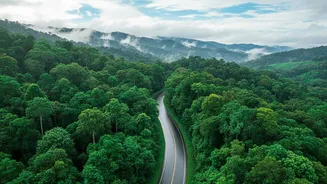
The route from Bangalore is largely smooth until you reach the final ascent. The stretch of National Highway 169A through the Agumbe Ghat is where the real challenge begins. This section is known for its narrow roads, sharp hairpin bends, and the constant threat of landslides during heavy rains. Visibility can drop to near-zero in an instant due to thick fog. Authorities often prohibit heavy vehicles on this route during the monsoon for safety, which is a testament to its difficulty. Due to these conditions, it is highly recommended to plan your journey to cross the ghat section during daylight hours. Strong winds can also uproot trees, leading to potential blockages.
Essential Monsoon Driving Techniques
Once on the road, adapt your driving style for the conditions. Reduce your speed significantly and maintain at least double the usual following distance from the vehicle in front. Sudden braking or sharp steering can cause you to lose traction. On steep descents, which are plentiful in the ghats, rely on engine braking by shifting to a lower gear instead of constantly using the brake pedal. This prevents your brakes from overheating and failing. When visibility is low due to fog or heavy rain, use your low beams. High beams will reflect off the water droplets and create a wall of glare, worsening your vision. If you must drive through standing water, do so slowly and steadily, and gently tap your brakes afterwards to help dry them out.
Packing Smart for the Journey
Your packing list should extend beyond just clothes. An emergency kit is crucial and should include a first-aid kit, a powerful flashlight, a reflective warning triangle, and a tow rope. Given the patchy network coverage in the Western Ghats, carrying a fully charged power bank and downloading offline maps of your route is a sensible precaution. Pack enough water and non-perishable snacks in case you are delayed by road blockages. An umbrella and waterproof gear are obvious essentials for when you step out to enjoy the viewpoints. Given the damp conditions, an extra pair of dry socks can be a small but significant comfort.
The Reward: Embracing the Rainforest
The journey, while demanding, is immensely rewarding. The drive through the Western Ghats offers breathtaking views of lush greenery, mist-covered valleys, and countless seasonal waterfalls. Safely navigating the tricky roads allows you to fully immerse yourself in one of India's most stunning rainforest destinations. Once in Agumbe, you can explore attractions like the Onake Abbi Falls, Jogigundi Falls, and the famous Sunset View Point, which offers spectacular vistas on clearer days. The entire region comes alive during the monsoon, offering a sensory experience of the cool, rain-washed earth and the vibrant green canopy that makes the cautious drive completely worthwhile.