






The Prime Suspect: Over-Exfoliation
The habit in question is aggressive or overly frequent exfoliation. Whether using a gritty physical scrub, a chemical exfoliant like glycolic acid, or a rotating brush, the goal is to slough away dead cells for a brighter complexion. It feels productive,
and the immediate smoothness can be addictive. This has led many to incorporate it into their daily regimen, believing they're simply helping their skin's natural cell turnover process. However, dermatologists are increasingly treating patients for issues directly linked to overdoing it. The desire for 'glass skin' has pushed many into a cycle of stripping their skin, when gentle care is what's truly needed.
How a Good Habit Turns Bad
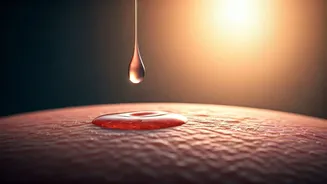
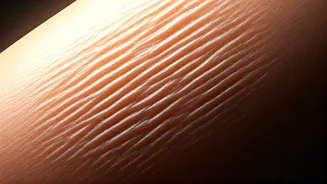
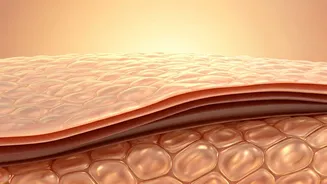
Your skin has a natural, protective shield called the moisture barrier, or stratum corneum. This outermost layer is a finely tuned mix of skin cells and lipids (fats like ceramides) that keeps moisture in and irritants out. When you exfoliate too often, you don't just remove dead cells; you strip away this crucial lipid mortar. A compromised barrier can no longer hold onto water effectively, leading to transepidermal water loss. It also becomes vulnerable to environmental stressors, bacteria, and pollution. Instead of revealing healthy skin, you're creating a pathway for irritation and inflammation.
Signs You're Overdoing It
The signs of over-exfoliation can be confusing because they often mimic the very issues you're trying to fix. The most common red flags include redness, persistent irritation, and a burning or stinging sensation when you apply other products—even water. Your skin might feel tight and look unusually shiny or waxy, which is often mistaken for a healthy glow but is actually a sign of a stripped, dry surface. Paradoxically, you might also experience more breakouts, as a damaged barrier is less equipped to fight off acne-causing bacteria. Dryness, flaking, and peeling are also clear indicators that your skin's defences are down.
The Road to Recovery: A Barrier Repair Plan
If this sounds familiar, the first step is simple: stop exfoliating. Immediately. Give your skin a break from all scrubs, acids (like AHAs and BHAs), and retinoids until it feels back to normal. Simplify your routine down to the essentials: a gentle, pH-balanced cleanser, a nourishing moisturiser, and a broad-spectrum sunscreen with at least SPF 30 every single morning. Look for moisturisers with barrier-repairing ingredients like ceramides, hyaluronic acid, glycerin, and niacinamide. These ingredients help replenish what's been lost and support the skin's healing process. This healing phase can take anywhere from a few days to four weeks.
Reintroducing Exfoliation Safely
Once your skin is calm and hydrated, you can reintroduce exfoliation, but with a new mindset. For most people, exfoliating one to three times a week is more than enough. Those with dry or sensitive skin should stick to once a week. Pay attention to your skin; if you see any signs of irritation, pull back. Many dermatologists prefer chemical exfoliants over harsh physical scrubs, which can cause micro-tears in the skin. And never exfoliate on the same day you use other potent active ingredients like retinol. The key is to support your skin's natural processes, not to scrub it into submission.