





The Dream Versus The Destination
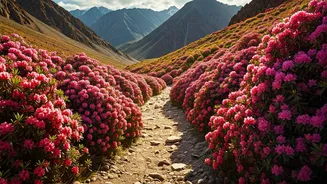
The idea is intoxicating: walking through lush, colourful corridors of rhododendron trees, set against the dramatic, stark backdrop of Leh's mountains. It’s a picture painted by countless posts and reels, creating a powerful new reason to visit the high-altitude
desert. For years, Ladakh has been synonymous with barren moonscapes, azure lakes, and ancient monasteries. The sudden emergence of flowering paths suggests a secret, softer side to this rugged region, a paradise waiting to be discovered by trekkers and nature lovers tired of the usual circuit.
A Reality Check on the Rhododendrons
The headline-grabbing claim of 'rhododendron paths' in Leh is a romantic exaggeration. The magnificent, tree-sized rhododendrons that create canopied trails are not native to the cold, arid climate of Leh and central Ladakh. The region's altitude and low precipitation simply don't support them. However, this doesn't mean the claim is entirely baseless. Ladakh is home to its own unique and hardy species, primarily *Rhododendron anthopogon*. This is not a towering tree but a small, resilient, aromatic shrub that grows low to the ground in alpine meadows, often reaching just a foot in height. Instead of 'paths', think of beautiful, scattered clusters of pale yellow or whitish-pink blossoms dotting the high-altitude slopes.
Where to Find Ladakh's Secret Gardens
The real magic isn't in finding non-existent forests, but in discovering these tenacious blooms that survive in one of the world's harshest environments. To find them, you need to venture off the main tourist highways and into the wilder parts of Ladakh. The best places to spot alpine flowers, including the dwarf rhododendrons, are on high-altitude treks undertaken between June and August. Valleys like Markha, Nubra, and the Zanskar region offer incredible opportunities. Treks to the base of Stok Kangri or trails around Hemis National Park are particularly rewarding. Here, alongside the rhododendrons, you might find a breathtaking variety of other alpine flora, including the elusive Himalayan Blue Poppy, Ladakh's state flower.
Planning Your Floral Expedition
Timing is everything. The flowering season in Ladakh is short and sweet, typically lasting from late June to mid-August. This is when the snow has melted at higher altitudes, allowing the meadows to burst into life. Due to the remote nature of these locations, going with an experienced local guide or a reputable trekking agency is highly recommended. They know the terrain and can lead you to the exact spots where the flowers bloom. Acclimatisation is also crucial. Spend a few days in Leh (at 11,500 feet) before attempting any high-altitude treks to allow your body to adjust to the low oxygen levels. Pack layers, as the weather can change in an instant, and be prepared for strenuous but immensely rewarding hikes.
More Than Just a Photo Op
The growing interest in Ladakh’s flora is a wonderful development, but it comes with a responsibility. The alpine ecosystem is incredibly fragile. These plants have adapted over millennia to survive extreme conditions, and a single misplaced footstep or plucked flower can cause irreparable damage. When you visit, practice Leave No Trace principles. Stay on marked trails, do not pick any flowers or plants, and carry all your rubbish back with you. The goal is to appreciate this natural wonder in a way that ensures it remains for generations to come. The best souvenir is a photograph, not a flower.