




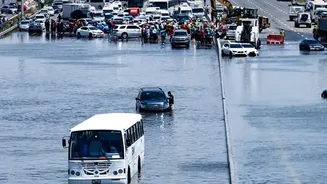

More Than Just Heavy Rain
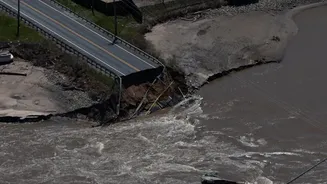
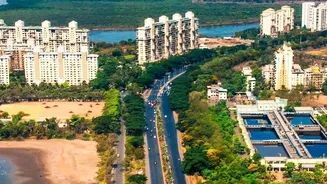
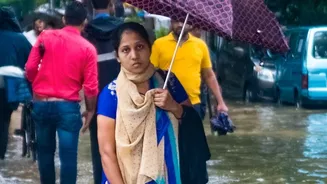
Urban flooding is no longer a rare event but a recurring crisis for cities like Mumbai, Delhi, Bengaluru, and Chennai. While it's easy to blame intense rainfall, the root causes are far more complex. The real issue is a combination of factors: rapid,
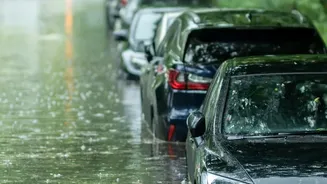
unplanned urbanisation, outdated infrastructure, and the systematic destruction of natural water bodies. Vast concrete surfaces have replaced permeable soil, meaning rainwater that once seeped into the ground now has nowhere to go but into overburdened drains. This turns moderate showers into widespread waterlogging and intense downpours into full-blown floods, causing immense economic damage and social disruption.
A System Under Strain
Many of India's urban drainage systems are relics of a different era. Mumbai's stormwater drains, for instance, were built in the 19th century and designed for rainfall intensity of about 25 mm per hour. Today, the city can receive over 100 mm in the same period. Similarly, Delhi's master drainage plan dates back to 1976 and is woefully inadequate for its current population and weather patterns. The problem is compounded by poor maintenance. Drains are frequently choked with plastic waste, construction debris, and silt, drastically reducing their capacity. Furthermore, the encroachment on and disappearance of natural sponges like lakes, wetlands, and floodplains have eliminated the city's ability to absorb excess water. Bengaluru, for example, has lost a significant number of its lakes to construction.
Learning from Nature: The Sponge City
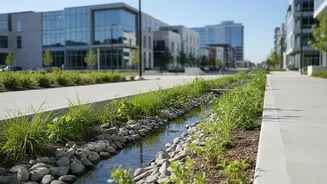
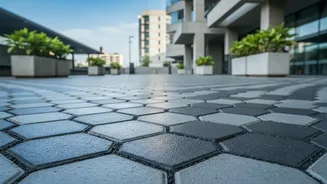
The solution isn't just about building bigger concrete drains. A more effective, long-term approach is to make our cities act more like natural landscapes. This is the core idea behind the "Sponge City" concept, a model gaining traction globally. Instead of just getting rid of rainwater as fast as possible, a sponge city aims to absorb, store, clean, and slowly release it. This is achieved through Sustainable Urban Drainage Systems (SUDS), which include installing permeable pavements that allow water to soak through, creating green roofs and rain gardens, restoring urban wetlands, and building bioswales (vegetated channels) along roadsides. These nature-based solutions help reduce surface runoff, recharge groundwater, and lower the burden on conventional drainage networks.
Beyond Concrete and Pipes
Technology and engineering are only part of the answer. True resilience requires robust governance and policy changes. This means updating city master plans to integrate flood risk and protect 'blue-green' infrastructure like wetlands and floodplains. Municipalities need to strictly enforce regulations against illegal construction and encroachment on natural drainage channels. There is also a critical need for better coordination between various civic agencies responsible for roads, water, and waste management to ensure that drainage systems are maintained year-round, not just in a pre-monsoon panic. Community participation plays a vital role, particularly in improving solid waste management to prevent the choking of drains that is a primary cause of localised flooding.