





The Green Alternative to Your Coffee Break
Across urban India, from Mumbai to Bengaluru, a vibrant green beverage is steadily finding its place on office desks and in café takeaway cups. Matcha, a finely ground powder of specially grown and processed green tea leaves, is emerging as the go-to
choice for professionals seeking a mental edge. Unlike coffee, which can lead to a sharp spike and subsequent crash, matcha offers a smoother, more sustained release of energy. This makes it particularly effective for combating the notorious post-lunch productivity dip that plagues so many during a long corporate day. Its rising popularity in Indian cities is no accident; it is a direct response to a growing wellness culture and a desire for functional beverages that do more than just wake you up.
Not Just Another Green Tea
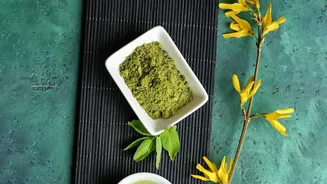
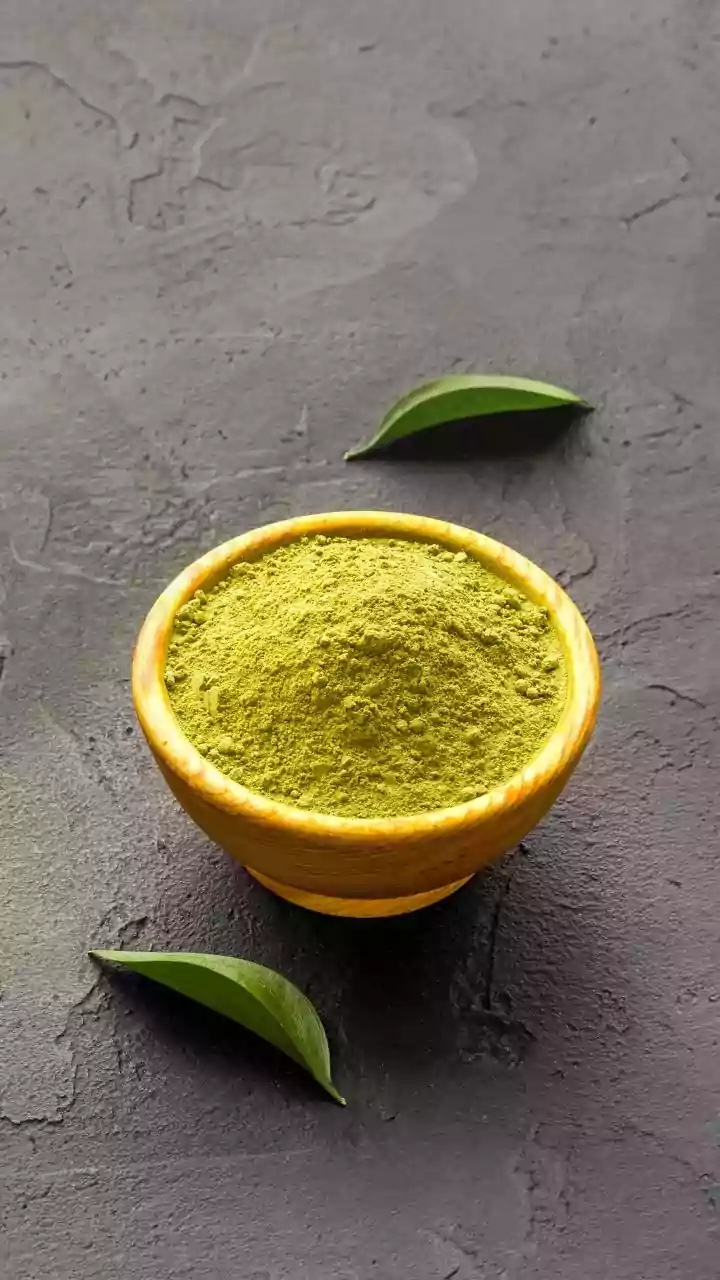
It is important to understand that matcha is fundamentally different from the green tea bags you might have in your pantry. While regular green tea is made by infusing leaves in hot water and then discarding them, with matcha, you are consuming the entire leaf in powdered form. This distinction is crucial. The preparation process for matcha is also unique. Tea plants destined to become matcha are shade-grown for about three to four weeks before harvest. This process increases the production of chlorophyll and amino acids, particularly one called L-theanine, giving matcha its distinct umami flavour and brilliant green hue. Because you ingest the whole leaf, you get a much more concentrated dose of the nutrients, antioxidants, and caffeine present in the plant.
The Science of Calm Alertness
The secret to matcha's balanced energy lies in the powerful synergy between two compounds: caffeine and L-theanine. While matcha does contain caffeine, the L-theanine works as a modulator, smoothing out its effects. L-theanine is an amino acid known to promote relaxation without causing drowsiness. It does this by increasing alpha brain waves, the same ones associated with a state of meditative calm and focused attention. This combination provides what many describe as "calm alertness." Instead of the anxious, jittery buzz from a strong espresso, matcha fosters a state of clear-headed focus. The L-theanine also slows the body's absorption of caffeine, resulting in a steady energy boost that can last for three to six hours, effectively eliminating the dreaded caffeine crash.
A Ritual for a Restless Mind
Preparing matcha the traditional way involves a whisk and a bowl, and this process itself can be a form of workplace mindfulness. The Japanese tea ceremony, or 'Chanoyu', is a spiritual and aesthetic ritual, but you can adopt a simplified version at your desk. The act of sifting the fine powder, adding warm (not boiling) water, and whisking it into a frothy consistency can serve as a deliberate pause in a hectic day. This small ritual forces you to step away from your screen, focus on a simple physical task, and engage your senses. It transforms your afternoon energy boost from a hurried necessity into a moment of intentional calm, helping to reset your mind before diving back into spreadsheets and presentations.
Making Matcha Work at Your Desk
Incorporating matcha into your office routine is easier than you might think. Many brands now offer high-quality ceremonial grade matcha in India, which is best for this kind of preparation. To start, you will need a small bowl (chawan), a bamboo whisk (chasen), and the matcha powder itself. Sift about a teaspoon of matcha into the bowl to remove lumps. Add about 60-70ml of hot water—around 80°C is ideal, so let your boiled water cool for a couple of minutes. Then, whisk vigorously in a zigzag or 'M' pattern until a fine foam appears on the surface. If a full kit seems like too much, electric milk frothers can also do a great job of mixing the powder smoothly. The key is finding a simple method that allows you to enjoy this calming ritual without adding stress to your day.