



Master Your Drainage
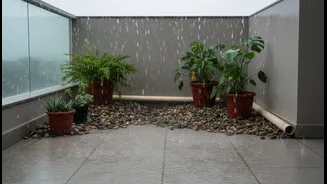
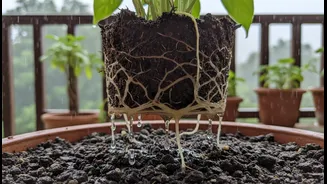
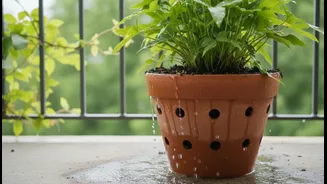
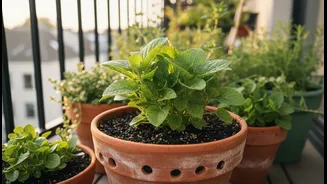
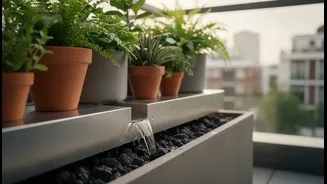
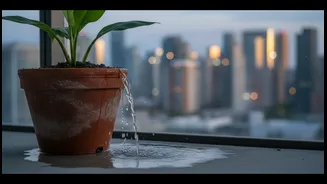
The number one enemy of potted plants during the monsoon is waterlogged soil, which suffocates roots and invites rot. Your first line of defence is ensuring flawless drainage. Before the rains intensify, check that every pot has at least one, if not multiple,
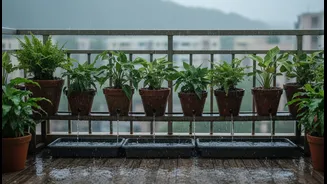
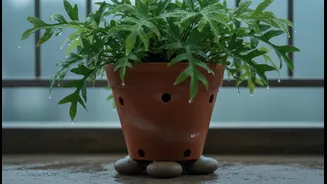
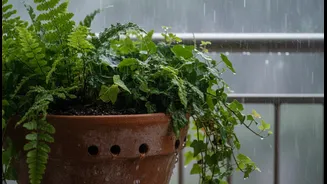
drainage holes at the bottom. These can easily get clogged with compacted soil or roots over time. A simple poke with a stick can clear them. For even better results, elevate your pots. Placing them on “pot feet,” bricks, or a simple plant stand allows water to flow freely away and prevents the pot from sitting in a puddle. Also, make it a habit to empty any water that collects in the saucers or trays beneath your pots. This stagnant water is a primary cause of root rot and a breeding ground for mosquitoes.
Lighten Your Soil Mix
Heavy, dense soil that holds water is a major risk during the monsoon. If your plants are in a heavy garden soil mix, consider repotting them into a lighter, more porous medium. A good monsoon-friendly potting mix should drain quickly while retaining just enough moisture. You can create your own by combining equal parts garden soil, compost, and a material that improves aeration like cocopeat or perlite. Cocopeat helps retain moisture without becoming waterlogged, while perlite creates air pockets that are essential for healthy roots. If you're not looking to repot, you can still improve aeration by gently loosening the top few inches of soil with a small trowel, which helps it dry faster.
Adjust Your Watering Schedule
It seems obvious, but it's a common mistake: you don’t need to water your plants as often during the monsoon. The high humidity means soil dries out much more slowly, and frequent rain might do the watering for you. Instead of sticking to a fixed schedule, rely on the “finger test.” Poke your finger about an inch or two into the soil; if it feels dry at that depth, it’s time to water. If it’s still damp, wait another day or two. When you do water, do so in the morning to allow any moisture on the leaves to evaporate during the day, which helps prevent fungal diseases.
Provide Shelter and Support
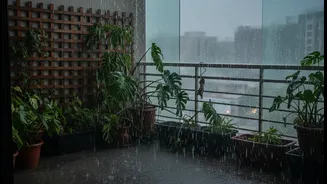
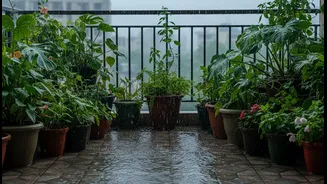
While some plants love the rain, delicate species or those prone to rot can suffer from the constant barrage. If possible, move more sensitive plants like succulents, cacti, or jade plants to a covered part of your balcony where they are shielded from direct downpours. For taller or top-heavy plants, strong monsoon winds can be a problem. Provide support by tying them to stakes to prevent stems from snapping. Grouping pots together can also create a more stable, humid microclimate that protects plants from the wind.
Watch for Pests and Diseases
The damp, humid weather is a perfect breeding ground for fungal diseases and pests. Powdery mildew, black spots on leaves, and root rot are common issues. You can stay ahead of them by ensuring good air circulation; don’t crowd your pots too closely together. Regularly prune away any yellowing leaves or dead branches to improve airflow and remove potential entry points for disease. The monsoon also brings out pests like slugs, snails, and aphids. Inspect your plants regularly, especially the undersides of leaves. A preventive spray of neem oil solution every couple of weeks can act as a natural and effective deterrent for many common pests and fungi.
Hold Off on Fertiliser
Plants generally slow their growth during the cloudy days of the monsoon, and waterlogged soil makes it difficult for roots to absorb nutrients. Fertilising during this time can do more harm than good, as the unused salts can build up in the soil and burn the already-stressed roots. It is best to avoid feeding your plants during peak monsoon. Wait for a dry spell or for the season to end before resuming your regular fertilising routine, allowing your plants to recover and make the most of the nutrients. If you must fertilise, use a diluted liquid form and do so sparingly.