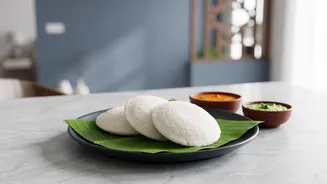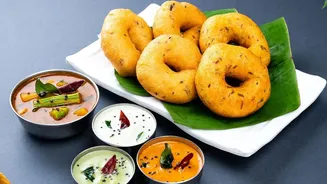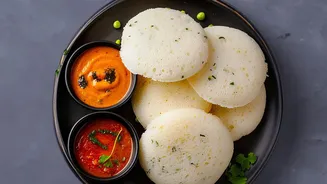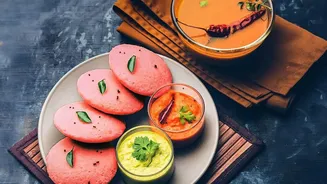


More Than Just Comfort Food
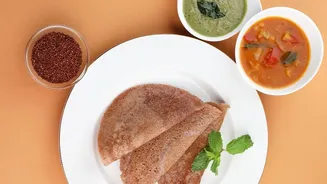
For many across India, the sight of a fluffy idli or a crisp dosa is the definition of comfort. But these beloved dishes are much more than just a delicious start to the day. They represent a centuries-old tradition of using natural science to create
food that is not only tasty but also incredibly nourishing. The process that turns a simple batter of rice and lentils into these culinary delights is fermentation, and it is the key to unlocking a wealth of nutrients that are particularly beneficial for those with an active lifestyle. This ancient technique essentially pre-digests the food, making it easier on the stomach and ensuring your body gets the maximum benefit from every bite.
The Magic of Fermentation
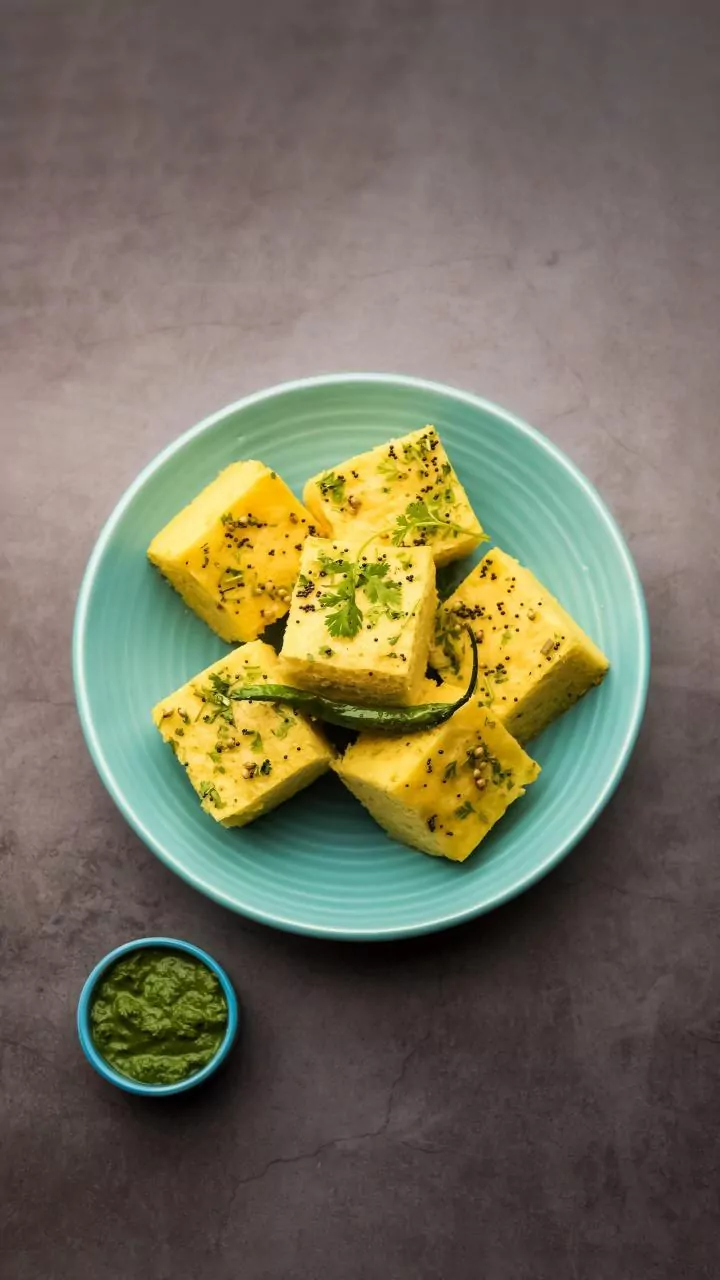
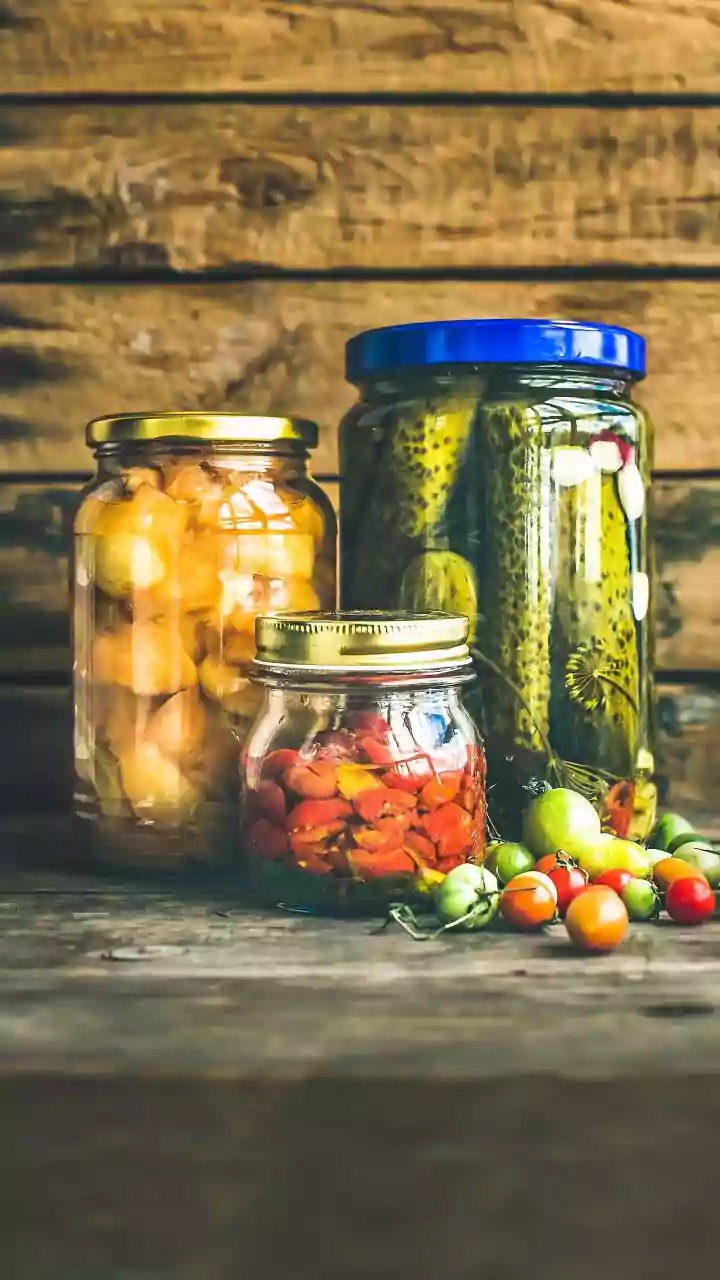
So, what exactly happens when idli or dosa batter is left to ferment overnight? In simple terms, it’s a process where beneficial microorganisms, like naturally occurring bacteria and yeasts, get to work. These tiny powerhouses break down the complex carbohydrates and proteins in the rice and lentil mixture into simpler, more manageable forms. This transformation does two crucial things: it creates the light, airy texture we love, and it fundamentally changes the nutritional profile of the food, making it far more valuable to our bodies. The lactic acid produced during this process not only gives the batter its characteristic tangy flavour but also helps to preserve the food and foster a healthy environment in our gut.
Unlocking Essential Minerals
One of the most significant benefits of fermentation is its ability to neutralize 'antinutrients'. Grains and legumes naturally contain a compound called phytic acid, which binds to essential minerals like iron, zinc, and calcium, preventing your body from absorbing them. For an active person, this is a major drawback, as these minerals are vital for energy, bone health, and muscle function. During fermentation, microbes produce an enzyme called phytase, which systematically breaks down phytic acid. This process liberates the minerals, making them 'bioavailable'—meaning your body can actually absorb and use them. This boost in iron absorption is particularly important for maintaining energy levels and preventing fatigue.
A Boost in Protein and Vitamins
An active lifestyle demands efficient muscle repair and energy production, which requires high-quality protein and B-vitamins. Fermentation helps on both fronts. The process breaks down complex proteins into simpler amino acids, making them easier for the body to digest and utilize for muscle recovery. Furthermore, the microbes involved in fermentation synthesize valuable B-vitamins, including thiamine, riboflavin, and even vitamin B12, which is rarely found in plant-based foods. These vitamins are crucial for converting food into energy, supporting neurological function, and keeping you performing at your best.
The Gut Health Connection
The phrase "gut health" is everywhere these days, and for good reason. A healthy gut microbiome is the foundation of overall wellness, impacting everything from digestion to immunity. Fermented foods like idli and dosa are natural probiotics, delivering beneficial bacteria like Lactobacillus to your digestive system. These good bacteria help maintain a healthy balance in your gut, which can reduce issues like bloating and indigestion. For an active person, a healthy gut means more efficient nutrient absorption, a stronger immune system to fight off illness, and stable energy levels, allowing for more consistent training and faster recovery.