






Why Is This Happening Now?
More Indians are travelling internationally than ever before, leading to a surge in visa applications. In response, many countries are digitising and tightening their border controls. This combination of high demand and new systems creates a perfect storm
of delays and detailed checks. For instance, Europe has been rolling out its new Entry/Exit System (EES), which replaces manual passport stamping with automated biometric registration. While this aims for long-term efficiency, the initial implementation means more scrutiny for every traveller, including those from India. It's a global shift towards smarter, more secure borders, but it puts the responsibility squarely on travellers to have their paperwork in perfect order.
The Schengen Zone's New Rulebook
Europe remains a top destination, and its visa rules have seen significant updates. The new Entry/Exit System (EES) is now fully operational across the 29 Schengen countries. For Indian travellers, this means your fingerprints and a facial scan are recorded at the border. The system automatically tracks your entry and exit dates, strictly enforcing the 90/180-day rule (a maximum stay of 90 days within any 180-day period). Overstaying is flagged instantly across all member states. While Indian passport holders still need a standard Schengen visa—not the ETIAS, which is for visa-exempt nationalities—the EES data may be reviewed in future visa applications to check your compliance history. On the plus side, for those with a clean travel history, the EU has a 'cascade' regime that can grant frequent travellers multiple-entry visas with longer validity, potentially up to five years.
The Long Wait for US and UK Visas
Planning a trip to the US or UK requires more advance planning than ever. As of mid-2026, the wait time for a first-time US visitor (B1/B2) visa interview in India can be significant, ranging from a few months to over nine months in high-demand cities like Mumbai and Hyderabad. While wait times have improved from their post-pandemic peaks, they remain substantial, making last-minute US travel plans nearly impossible for first-time applicants. Similarly, for the UK, the standard processing time for a visitor visa is around three weeks after submitting biometrics. However, this can extend during peak seasons like summer. While priority services can speed up the UK process to about five working days for an extra fee, the core message is to apply well in advance.
The Most Common Application Pitfalls
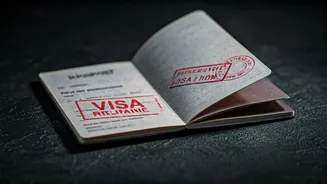
Visa rejections are often not about eligibility but avoidable mistakes. The most frequent errors include incomplete or incorrect information on application forms—even a small typo in a name or passport number can cause a rejection. Another major red flag is weak or suspicious financial proof. Sudden large deposits into a bank account just before applying can be viewed as an attempt to mislead the consulate. It's crucial to show stable finances. Other common mistakes include submitting a travel itinerary that doesn't seem logical, failing to show strong ties to India (like a stable job or family commitments), and not disclosing previous visa rejections. Each country has specific rules, and assuming a one-size-fits-all approach is a recipe for refusal.
Your Essential Pre-Travel Document Checklist
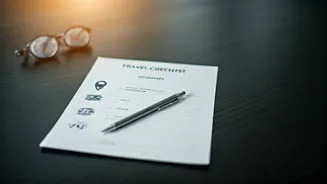
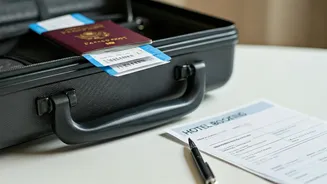
Before you even think about packing, make sure your document folder is ready. This is your non-negotiable checklist: Passport Validity: Ensure it's valid for at least six months beyond your intended return date and has at least two blank pages. Visa: Double-check that your name, passport number, and visa validity dates are correct. Travel Insurance: For the Schengen area, a minimum coverage of €30,000 is mandatory. Many other countries are also making it a requirement. Digital Copies: Keep digital copies of your passport, visa, tickets, and hotel bookings in your email or on a cloud drive. Proof of Funds: Have recent bank statements ready to show you can support your trip. Bookings: Keep copies of your return flight tickets and proof of accommodation. * Arrival Forms: Some countries, like India itself with its new E-Arrival Card for foreign visitors, require digital arrival forms to be filled out before you land. Vietnam has a similar digital declaration for Ho Chi Minh City.