





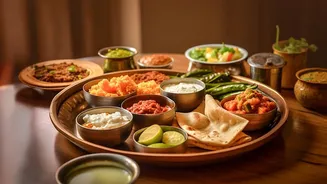
The Heart of Qatari Hospitality
Qatari cuisine is a reflection of the nation's Bedouin past and coastal heritage, shaped by centuries of trade and migration. At its core is the principle of 'karam', an Arabic philosophy of profound generosity, where guests are welcomed with abundance.
Sharing food is a communal act, a way to build connection and show honor. Meals are often served on large, shared platters, inviting everyone to partake together. Being invited to a Qatari home for a meal is a significant gesture, a window into the soul of the country's warm and hospitable culture. This spirit extends from private homes to the bustling souqs and modern restaurants, where the offer of Arabic coffee (gahwa) and dates is a customary welcome.
Essential Flavors and Core Ingredients
The Qatari palate is defined by a rich tapestry of spices and ingredients sourced through historic trade routes with India, Persia, and the Levant. Aromatic spices like cardamom, cinnamon, cloves, saffron, and loomi (dried black lime) are fundamental, infusing dishes with deep, complex flavors. Rice, meat (especially lamb and chicken), and fresh seafood from the Arabian Gulf are staples of the diet. The country’s coastal location means an abundance of fish like hammour (grouper) and safi, which feature prominently in many dishes. This blend of local resources and traded goods creates a cuisine that is distinctly Arabian yet globally influenced.
Iconic National Dishes to Savor
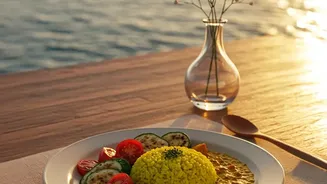
No culinary tour of Qatar is complete without trying Machboos, widely considered the national dish. This fragrant rice dish is slow-cooked with either lamb, chicken, or fish, along with a symphony of spices that gives it its signature taste. Another beloved comfort food is Harees, a savory porridge-like dish made from ground wheat and meat, often enjoyed during Ramadan for its nourishing qualities. Thareed is a hearty stew, often featuring lamb and vegetables, served over pieces of thin, crisp bread called 'regag'. The bread soaks up the rich broth, creating a satisfying and flavorful meal. For something lighter but equally traditional, Saloona is a classic vegetable and meat stew that can be enjoyed with rice or bread.
Sweet Endings and Comforting Sips
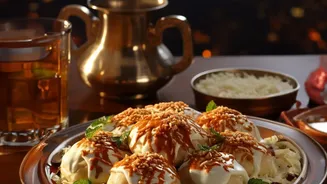
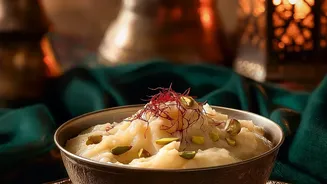
Qatari hospitality extends to its impressive array of desserts and drinks. Luqaimat are sweet, deep-fried dumplings that are crispy on the outside and soft on the inside, typically drizzled with date syrup or honey and sprinkled with sesame seeds. Balaleet offers a unique combination of sweet and savory, featuring sweetened vermicelli noodles spiced with saffron and cardamom, topped with a savory omelet, and is a popular breakfast choice. To drink, nothing is more ubiquitous than Karak, a strong, spiced tea brewed with cardamom, saffron, and evaporated milk. It's the unofficial national drink, enjoyed at all hours of the day and a perfect symbol of Qatar's blend of Indian and Arabian influences.
Where to Find Authentic Qatari Food
Experiencing authentic Qatari food is an adventure in itself, with options ranging from traditional markets to high-end restaurants. For the most immersive experience, a visit to Souq Waqif in Doha is essential. Here, you can find street food vendors selling treats like regag bread and small, traditional restaurants called 'matbakhs' serving classic dishes. The alleyways are filled with the aroma of spices, grilled meats, and freshly brewed karak. For a more contemporary take on Qatari flavors, destinations like The Pearl-Qatar and Msheireb Downtown Doha offer fine dining restaurants that reinterpret classic recipes with modern techniques, presenting a new vision of the nation's culinary identity.