




The Unsung Hero in Your Drawer
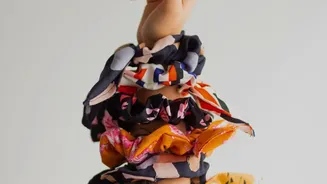
For years, many have relegated the hair band to the back of a drawer, viewing it solely as a workout accessory to keep sweat and hair out of the eyes. However, this versatile tool offers a sophisticated and budget-friendly alternative to chemical-laden
styling products. Instead of relying on sticky gels or stiff hairsprays to tame flyaways and create a sleek look, a well-chosen hair band can do the job instantly. It provides control and structure, holding hair perfectly in place for everything from a professional office look to a casual weekend outing. By rediscovering the hair band, you’re not just saving money; you’re embracing a simpler, faster, and often healthier approach to daily hair management.
Choose the Right Band for Your Hair
Not all hair bands are created equal, and the key to a great look is matching the band to your hair type and desired style. For those with fine or thin hair, lightweight and slim headbands made of fabric or flexible plastic work best as they won't flatten your hair. If you have thick or curly hair, opt for wider, sturdier bands with some stretch to accommodate your hair's volume and hold it securely. Materials matter, too. Velvet-lined bands are great for fine, slippery hair because the texture provides extra grip, while silk and satin options reduce friction, preventing breakage and frizz, making them ideal for delicate or chemically-treated hair. For workouts, moisture-wicking fabrics help keep sweat from your face without retaining heat like a full beanie.
Mastering the Look: From Sleek to Casual
Achieving a neat hairstyle with a band is simple. For a sleek, polished look perfect for the office, brush your hair back, slide on a narrow headband just behind your hairline, and secure your hair in a low bun or ponytail. This instantly controls flyaways and gives a put-together feel. For a more relaxed, everyday style, place a knotted or fabric headband about an inch behind your hairline, then gently pull out a few face-framing pieces. This 'soft' placement prevents the look from appearing too severe or school-girlish. Hair bands can also elevate simple styles; adding one to a basic ponytail or half-up style makes it look more considered and intentional with minimal effort.
Beyond Gels: Taming Frizz and Flyaways
One of the biggest frustrations in hairstyling is dealing with frizz and flyaways, especially in humid weather or with second-day hair. This is where a hair band truly shines as an alternative to goopy products. A strategically placed band physically holds down those unruly strands around the hairline that products struggle to tame without feeling heavy or sticky. For those with curly hair, a wide, soft headband can help keep curls defined and under control without crushing their pattern. For a very sleek finish on straight hair, you can apply a small amount of product, brush hair back, and then use a bandana or wide headband to hold it flat while it sets.
A Word on Hair Health and Safety
While hair bands are a fantastic tool, it’s important to use them correctly to avoid potential damage. The main risk comes from excessive tension. A band that is too tight can pull on hair follicles, which over time could lead to a type of hair loss known as traction alopecia, particularly around the hairline. To prevent this, choose bands that fit comfortably without squeezing your head. Avoid rigid plastic bands with sharp teeth, and give your hair regular breaks from any tight styling. Opt for softer materials like silk, satin, or cushioned fabrics that are gentler on your strands and reduce friction and breakage. If you ever feel pain, tenderness, or see bumps where a headband sits, it's a clear sign that it's too tight.