



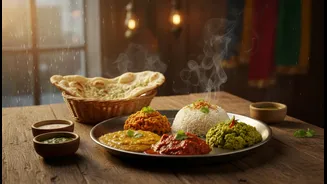



Beyond the Butter Chicken
The idea of 'Indian food' as a single monolith is dissolving. Travellers, both domestic and international, are no longer content with a generic pan-Indian menu. Instead, they are seeking out the specific, unique flavours that define a particular region.
This growing curiosity is fuelled by social media, where food bloggers and travel influencers showcase hyper-local dishes, sparking a desire for authentic experiences. A report noted that food-led travel requests have grown significantly, indicating a strong appetite for experiential journeys centered on local flavours. This shift means travellers are digging deeper, exploring the culinary nuances that change every few hundred kilometres across the country.
A Map of Delicious Destinations
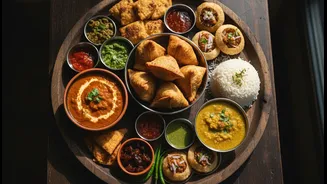
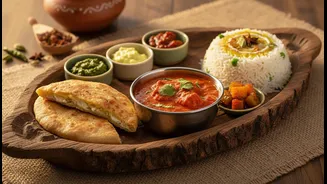
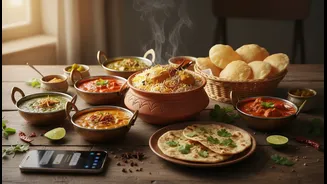
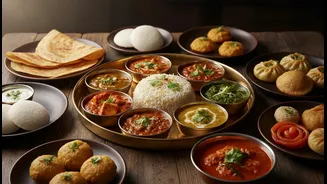
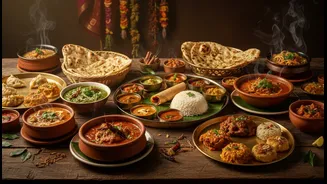
Certain regions have become magnets for this new wave of food-focused travel. In the north, the street food of Delhi and Amritsar offers a masterclass in flavour, from spicy chaat to hearty kulchas. Lucknow draws visitors with its regal Awadhi cuisine, famed for delicate kebabs. Head west, and Rajasthan's royal heritage is served on a platter with dishes like laal maas and dal baati churma, while Mumbai's vibrant street food scene offers quick, flavourful bites like vada pav. Down south, Kerala's backwaters and spice-laden history are reflected in its coconut-rich seafood curries, while Hyderabad is synonymous with its world-famous biryani. In the east, Kolkata is a paradise for those with a sweet tooth and a love for fish. Each destination offers a distinct palate, turning a map of India into a menu of possibilities.
The Rise of Immersive Experiences
This trend is about more than just eating; it's about participating. Modern culinary tourism involves hands-on activities that connect travellers more deeply with the local culture. Food walks through bustling city markets in Delhi or Jaipur are incredibly popular, offering a guided taste of local life. Many travellers are also signing up for cooking classes, often in local homes or homestays, to learn the secrets behind regional dishes firsthand. These experiences move beyond passive consumption, allowing visitors to engage with the stories, techniques, and people behind the food. Farm-to-table meals and visits to spice plantations, especially in states like Kerala and Rajasthan, further enrich the journey from ingredient to plate.
Homestays: The Heart of the Movement
A crucial driver of this trend is the rise of homestays and boutique guesthouses. These accommodations offer something most hotels cannot: an authentic, home-cooked meal prepared with generations of knowledge. Staying with a local family provides an intimate window into their culinary traditions. Guests often get to eat dishes that aren't available in restaurants, using family recipes passed down over time. This personal connection, combined with the comfort of a home-cooked meal, is a powerful draw for travellers seeking genuine cultural immersion. It transforms a simple holiday into a memorable exchange of stories and flavours.
A Boost for Local Economies
The benefits of culinary tourism extend far beyond the traveller's plate. This trend provides a significant economic boost to local communities. It empowers small-scale entrepreneurs, from street food vendors to homestay owners and local guides. By creating a market for authentic food experiences, it helps preserve traditional recipes and cooking methods that might otherwise be lost. Market research highlights the substantial growth of the culinary tourism market in India, with projections showing it will continue to expand rapidly. This growth not only supports livelihoods but also fosters a sense of pride in local food heritage, ensuring these traditions thrive for years to come.