

The Morning Hero in Your Kitchen
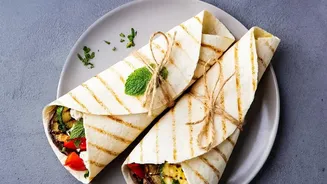
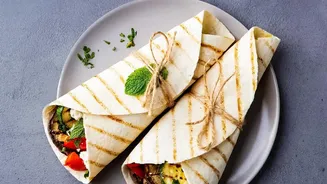
The humble breakfast wrap is more than just a quick meal; it's a strategy for a better morning. It solves the dual problem of needing a fast, healthy breakfast while also tackling food waste. By repurposing last night's dinner, you save time, reduce your
kitchen waste, and get a nutrient-packed start. A well-made wrap, filled with fibre from vegetables and whole grains, and balanced with protein, can keep you full and energised until lunch. This approach swaps morning stress for a moment of delicious resourcefulness, turning what you already have into something new and exciting.
Your Foundation: Whole Grains for the Win
The choice of wrap is crucial. While any flatbread works, opting for whole-grain tortillas or even leftover whole-wheat rotis provides significant health benefits. Unlike their refined flour counterparts, whole grains deliver more fibre, vitamins, and minerals. This fibre aids digestion and helps you feel fuller for longer, preventing the mid-morning slump. When shopping, check the ingredients list to ensure 'whole wheat flour' or another whole grain is listed first. This simple switch elevates your wrap from just a convenient meal to a genuinely nourishing one.
The Art of Using Leftover Sabzi
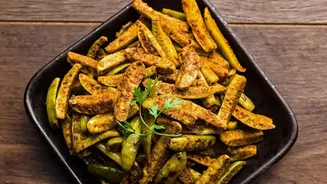
This is where the magic happens. Almost any leftover 'sabzi' (cooked vegetable dish) can be the star of your breakfast wrap. Drier preparations like a mixed vegetable stir-fry, aloo gobi, or bhindi masala work exceptionally well. Even a slightly gravy-based dish can be used if you drain off the excess liquid to prevent sogginess. You can mash the vegetables slightly to create a more uniform filling. Roasting vegetables ahead of time is another great option, as it removes excess moisture and deepens their flavour. The key is to have the filling ready to go, making morning assembly a breeze. This is a classic Indian approach to zero-waste cooking, turning yesterday's dinner into today's delicious breakfast.
Power Up with Protein
To make your breakfast wrap a truly complete meal, a source of protein is essential. Eggs are a classic choice; a quick scramble or a simple egg 'bhurji' (spiced scrambled eggs) pairs perfectly with most vegetable fillings. For a vegetarian option that's just as satisfying, consider crumbled paneer, which can be lightly sautéed with spices like turmeric and cumin. Legumes are another fantastic choice. A spoonful of leftover dal, chickpeas, or black beans adds both protein and fibre. Tofu scramble is also an excellent plant-based alternative.
Flavour Boosts from the Pantry
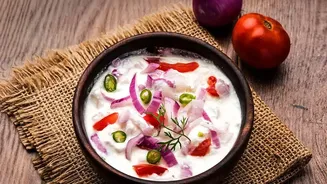
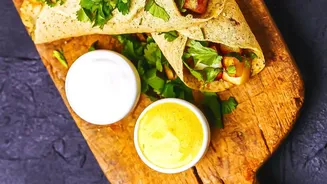
With your base and filling sorted, it's time for flavour. Your Indian pantry is full of quick-fix solutions. A simple spread of mint-coriander chutney or a dollop of yogurt ('dahi') can add moisture and a tangy kick. A sprinkle of 'chaat masala' offers a complex burst of salty, tangy, and spicy notes. If you enjoy heat, a bit of pickle ('achar') or a smear of sriracha works wonders. To avoid making the wrap soggy, it's best to use thicker sauces and spreads. Keep wet ingredients like fresh tomato or liquid chutneys separate and add them just before eating if possible.
Mastering the Assembly Line
The final step is building your wrap without it turning into a soggy mess. The number one rule is to ensure all your cooked fillings have cooled down to room temperature before they touch the tortilla. Trapped steam from hot ingredients is the primary cause of sogginess. To create a barrier, you can lightly toast the inside of the tortilla for a minute on a dry pan. Another pro tip is to place a moisture-blocking layer down first, such as a slice of cheese or a thicker spread, before adding wetter ingredients. When rolling, fold the sides in first, then roll from the bottom, tucking tightly as you go to create a secure, easy-to-eat package.