







Why Go Seasonal in the Rains?
The rainy season's high humidity can slow down our digestion and make us more susceptible to water-borne diseases and infections. Ayurveda, the ancient Indian science of life, advises eating light, freshly cooked meals during this time, known as 'Varsha
Ritu'. Seasonal produce is nature’s way of providing exactly what our bodies need. Monsoon vegetables and fruits are often packed with the specific vitamins, antioxidants, and antimicrobial properties required to boost immunity and support a sluggish digestive system.
Embrace the Gourds
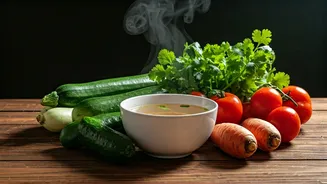
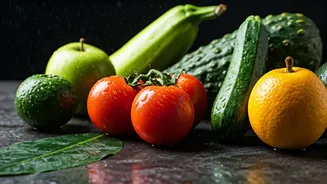
The family of gourds is a star of the monsoon kitchen. Vegetables like bottle gourd (lauki), bitter gourd (karela), ridge gourd (turai), and pointed gourd (parwal) are abundant and incredibly beneficial. They are light, easy to digest, and rich in dietary fibre, which helps maintain a healthy gut. Bitter gourd, despite its taste, is a powerhouse for boosting immunity and has antiviral properties. Bottle gourd is hydrating and helps flush out toxins. These vegetables, when cooked in simple preparations like soups or light curries, are gentle on the stomach and highly nutritious.
Power-Packed Monsoon Fruits
The monsoon offers a delightful array of fruits that are perfect for snacking and strengthening your system. Jamun (Indian blackberry) is a quintessential monsoon fruit celebrated for its ability to improve haemoglobin and its antimicrobial properties that fight common infections. Other seasonal gems include plums, peaches, and cherries, which are loaded with antioxidants and Vitamin C, crucial for a strong immune response. Pomegranates and apples are also excellent choices, known for their high fibre content and ability to support digestion and overall wellness.
Harness the Power of Roots and Spices
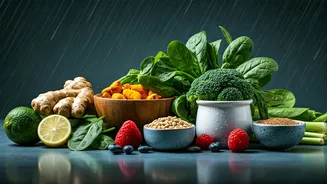
A monsoon diet is incomplete without the inclusion of powerful roots and spices. Ginger, garlic, and turmeric are prized for their potent anti-inflammatory, antiseptic, and antimicrobial properties. Adding fresh ginger to your tea or meals can aid digestion and soothe a sore throat. Garlic helps fight infection, while turmeric is a well-known immunity booster. Spices like black pepper, cumin, and asafoetida (hing) not only add flavour but also help fire up a sluggish digestive system, a common issue during the rains.
A Word of Caution on Leafy Greens
While generally healthy, leafy green vegetables like spinach and cabbage require extra care during the monsoon. The damp, muddy conditions they grow in make them prone to harbouring dirt and germs. It's best to reduce their intake or, if you do eat them, ensure they are washed meticulously in clean water and cooked thoroughly to kill any potential contaminants. Avoiding raw salads from outside sources is also a wise precaution.
Foods to Limit or Avoid
To stay in top health, it's advisable to avoid certain foods. Street food, especially items like pani puri where unboiled water is used, poses a high risk of infection. The high humidity also makes fried foods and heavy curries difficult to digest, which can lead to bloating and indigestion. It is also the breeding season for many fish, so limiting seafood intake is often recommended. Opting for freshly prepared, home-cooked meals is the safest and healthiest approach during this season.