


1. Makhan Mishri
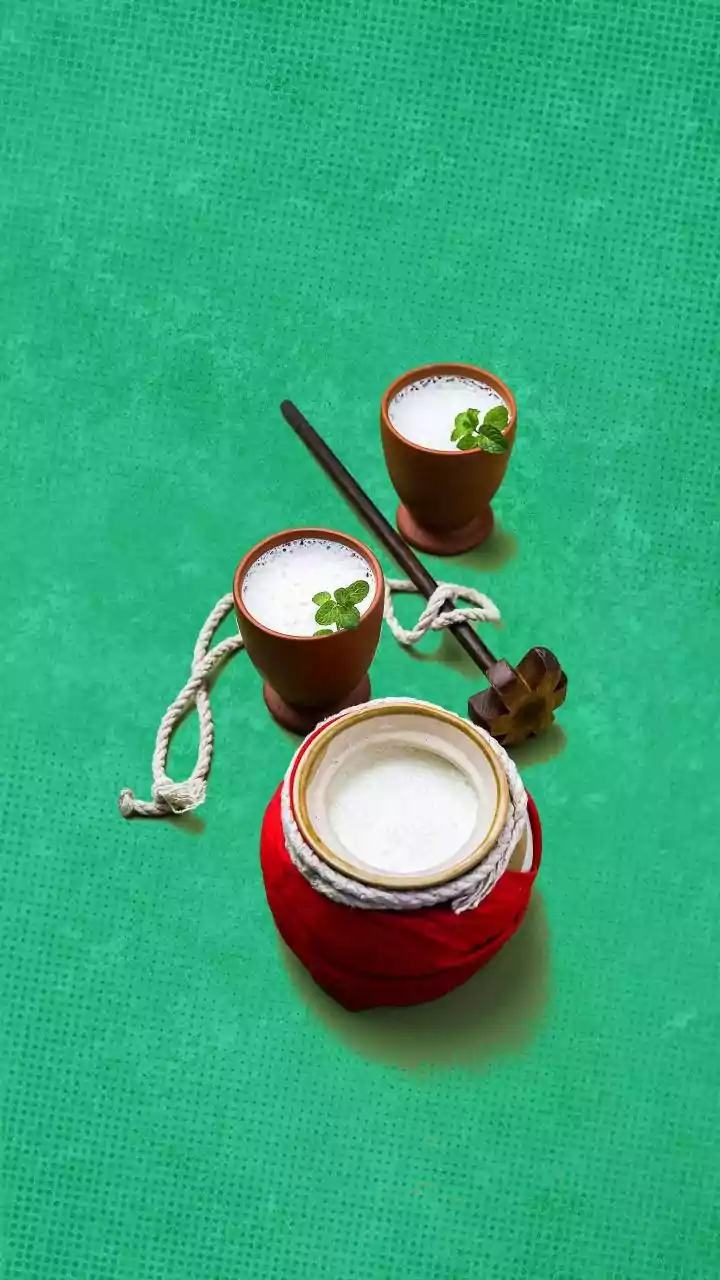
No Janmashtami bhog is complete without Lord Krishna's absolute favourite, Makhan Mishri. This dish represents purity and sweetness and is incredibly simple to prepare, requiring no cooking at all. To make it, take fresh, unsalted white butter (makhan)
in a small bowl. Let it soften slightly at room temperature, then whip it with a spoon for a minute or two until it's light and fluffy. Be careful not to over-whip, or it will turn into ghee. Gently fold in rock sugar (mishri) and a pinch of cardamom powder. The goal is to keep the sugar crystals crunchy for that signature texture. Transfer this divine offering to a small earthen pot or bowl and keep it chilled until it's time for puja.
2. Dhaniya Panjiri
Dhaniya Panjiri is a unique and aromatic prasad traditionally made for Janmashtami. It is a warming and nutritious mix, often distributed after the midnight aarti. To prepare this, start by heating a tablespoon of ghee in a pan. Roast coriander seed powder (dhaniya) on a low flame until it becomes fragrant and changes colour slightly. Transfer the roasted powder to a mixing bowl. In the same pan, add a little more ghee and roast chopped nuts like almonds and cashews, along with fox nuts (makhana) until they are crisp. Once everything has cooled down, combine the roasted coriander powder, nuts, and powdered sugar. Add a teaspoon of green cardamom powder and mix everything well. This dry prasad can be stored in an airtight container and is a beloved part of the festivities.
3. Makhana Kheer
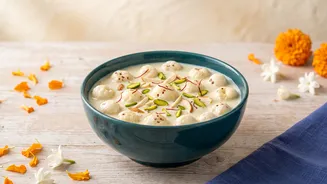
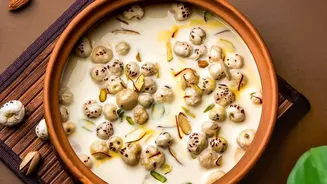
A creamy, delightful kheer is a must-have in any festive thali, and Makhana Kheer is perfect for the occasion as it's also suitable for those who are fasting. Begin by heating a little ghee in a heavy-bottomed pan and roasting one cup of makhana (fox nuts) until they become crisp. Set them aside to cool. Once cooled, coarsely crush about two-thirds of the roasted makhana, leaving the rest whole for texture. In the same pot, bring one litre of full-fat milk to a boil. Add the crushed and whole makhana and let it simmer on low heat. Stir occasionally until the milk thickens and the makhana softens, which takes about 15 minutes. Finally, add sugar to taste, a pinch of cardamom powder, and a few strands of saffron for colour and aroma. Garnish with chopped nuts before offering.
4. Gopalkala (Dahi Poha)
Gopalkala, also known as Dahi Poha, is a savoury dish that is said to be a favourite of Lord Krishna. It is a refreshing, no-cook recipe that brings together all of Krishna's preferred ingredients. To make it, take one cup of thick poha (flattened rice) and wash it gently, draining all the water completely. In a mixing bowl, combine the poha with plain yogurt (dahi), finely chopped cucumber, grated fresh coconut, salt, and a pinch of sugar. For the tempering, heat a teaspoon of ghee in a small pan, add cumin seeds, and let them crackle. You can also add chopped green chillies and ginger. Pour this tempering over the poha mixture and mix gently. This dish is best served chilled.
5. Nariyal Ladoo (Coconut Ladoo)
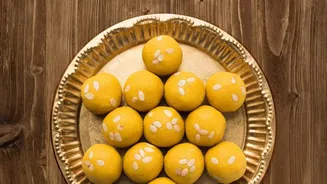
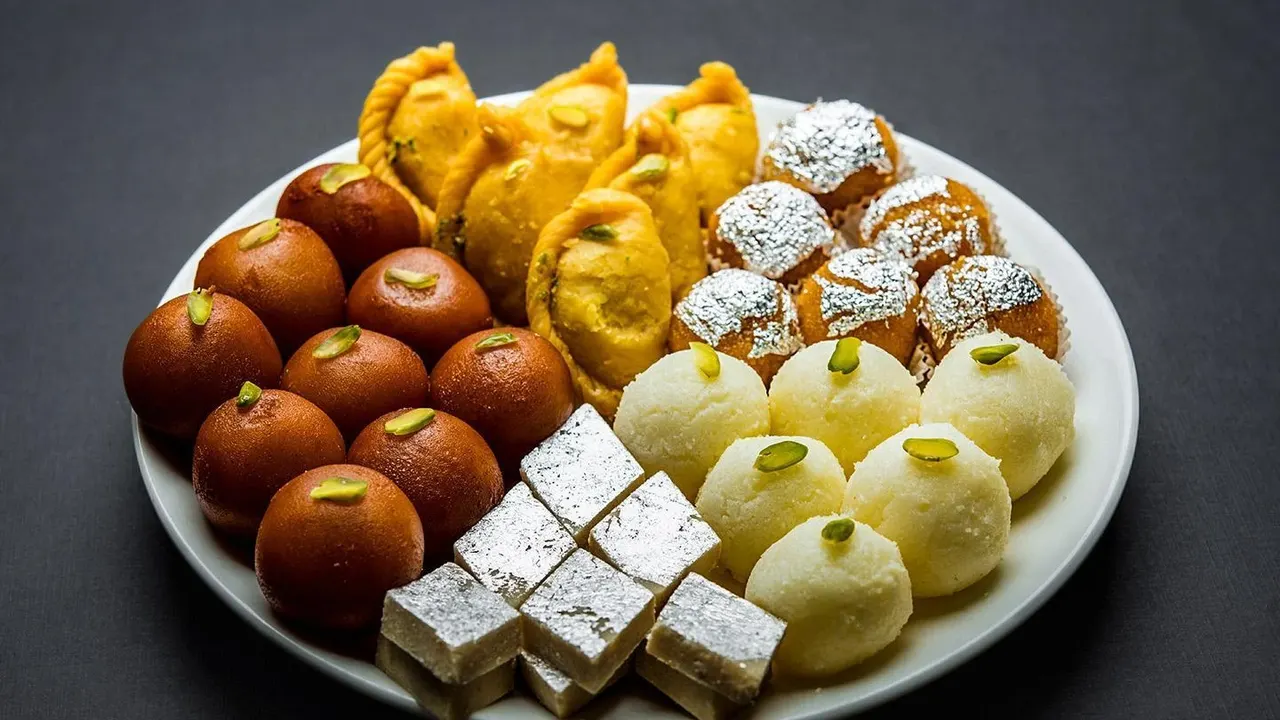
These sweet, bite-sized treats are a festive favourite and remarkably easy to put together. You can make them with just a few ingredients. For a quick version, you'll need grated coconut (fresh or desiccated), condensed milk, and cardamom powder. In a heavy-bottomed pan, combine two cups of grated coconut with about half a can of sweetened condensed milk. Cook this mixture on a low flame, stirring continuously until it thickens and starts leaving the sides of the pan. This should take about 10-15 minutes. Turn off the heat and stir in a generous pinch of cardamom powder. Let the mixture cool down just enough so you can handle it. Grease your palms with a little ghee, take small portions of the mixture, and roll them into smooth, round ladoos. You can roll the finished ladoos in some dry desiccated coconut for a classic finish.
6. Panchamrit
Panchamrit, which translates to 'five nectars', is a sacred offering essential for any puja, including Janmashtami. It is a holy concoction made by blending five pure ingredients: raw milk, curd (yogurt), honey, ghee, and sugar. To prepare this, simply take one cup of raw milk in a clean bowl. To this, add half a cup of curd, one tablespoon of honey, one teaspoon of ghee, and one tablespoon of sugar. Gently stir the ingredients together until they are just combined; avoid whipping or over-mixing. Some variations also include adding a few leaves of Tulsi, as it is considered very dear to Lord Krishna. This divine, cooling drink is served as the first prasad after the rituals are complete.