






The Battery Bottleneck
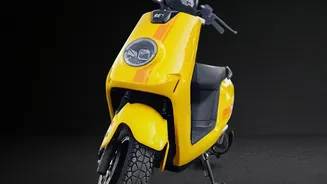
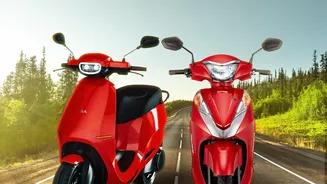
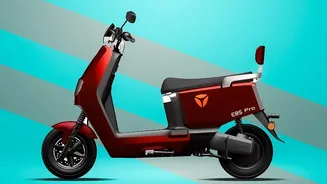
For the average Indian commuter, the switch to an electric scooter makes sense on paper: lower running costs, zero emissions, and a quieter ride. But the upfront cost can be a major deterrent. A huge chunk of that cost—often 40% to 50%—is the lithium-ion
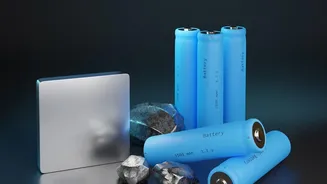
battery pack. A replacement battery alone can cost anywhere from ₹20,000 to over ₹50,000, depending on the scooter's model and brand. This high price is tied to the complex manufacturing and the cost of raw materials like lithium and cobalt used in today's conventional batteries. Beyond cost, these batteries have other limitations. They have a finite lifespan of about 500 to 1,000 charge cycles, can be sensitive to extreme temperatures, and carry a small but persistent risk of fire due to their flammable liquid electrolyte. These factors combine to create a significant bottleneck for making electric mobility truly mainstream and affordable.
Enter Solid-State Technology
Solid-state batteries are the next frontier in energy storage. The core difference is simple but revolutionary: they replace the liquid or gel electrolyte found in current lithium-ion batteries with a solid material, often a thin layer of ceramic or polymer. This single change unlocks a cascade of benefits. Firstly, it dramatically improves safety by eliminating the flammable liquid, which virtually removes the risk of fires that have been a concern for EV owners. Secondly, solid-state designs can achieve much higher energy density. This means they can store more energy in the same amount of space, or provide the same range from a smaller, lighter pack. For an electric scooter, this could translate to a 50-80% increase in range without adding any weight, or a lighter, more nimble scooter with the same range as today's models.
The Promise of Lower Costs and Faster Charging
While current manufacturing costs for solid-state batteries are high, the long-term economic outlook is promising. The technology has the potential to use more abundant and less expensive materials, such as sodium, reducing reliance on costly and geopolitically sensitive cobalt and nickel. As manufacturing processes are refined and scaled up, experts predict the cost of solid-state batteries will drop significantly, eventually becoming cheaper than today's lithium-ion options. In addition to a lower purchase price, these batteries promise a longer lifespan, capable of enduring thousands of charge cycles with minimal degradation, which lowers the total cost of ownership. Furthermore, the stable solid structure allows for much faster charging speeds. While a current e-scooter might take hours to charge, solid-state technology could cut that down to under 15-20 minutes for an 80% charge, a game-changer for commuters who need a quick top-up during the day.
The Road to Indian Streets
The transition won't happen overnight. Major global players like Toyota and Mercedes-backed ProLogium are targeting 2027-2028 for mass production in cars. Recently, ProLogium announced it had begun mass production of a new cell with significantly higher energy density than current batteries. This progress is a strong signal for the entire EV industry. In India, the push for self-reliance in battery manufacturing is accelerating this timeline. Companies like Ola Electric have announced major investments in building gigafactories with a focus on developing and producing cells locally, including solid-state technology. Chennai-based Ramcharan Company has already been granted a patent for a solid-state battery using sodium, an abundant and cheap material. These local efforts, supported by government incentive schemes, are crucial for adapting the technology to Indian conditions and making it cost-effective. While initial solid-state batteries in scooters will likely appear in premium models around 2027, the real impact for the average commuter will be felt closer to 2030 as production scales and costs come down.