
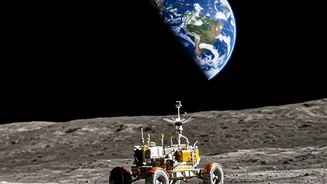
The Dawn of a Private Moon Race
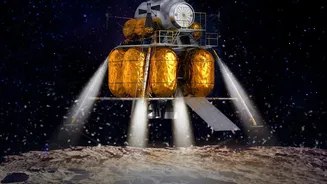
The Moon is no longer the exclusive domain of national space agencies. A global shift towards a commercial space economy has ignited a new kind of lunar race, one focused on services, logistics, and exploration for profit. This emerging market includes
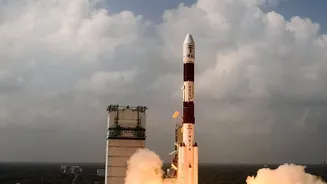
everything from delivering scientific payloads and deploying infrastructure to, one day, mining resources. Following its landmark policy reforms in 2020, India has actively encouraged private participation in its space sector. This has led to the rise of over 400 space startups, with private investment surging significantly. This new policy framework allows the Indian Space Research Organisation (ISRO) to focus on deep-space exploration and scientific research while private firms handle commercial activities like satellite and vehicle manufacturing.
India’s Frugal Engineering Advantage
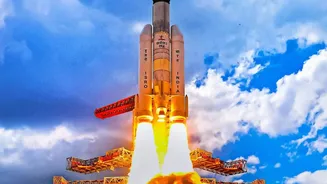
India's space program has long been defined by its remarkable cost-effectiveness. The Chandrayaan-3 mission, for example, was accomplished for an estimated $74 million, a fraction of what similar missions from other nations cost and famously less than the budget of many Hollywood space films. This principle of 'frugal innovation' is the core advantage for Indian startups entering the lunar market. By leveraging ISRO's legacy of keeping costs down without sacrificing mission-critical quality, these new companies believe they can offer lunar logistics and exploration services at a globally competitive price point. The government's goal is to expand India's share of the global space economy from its current 2-3% to 8% by 2030, a five-fold growth to an estimated $40-45 billion.
The New Breed of Lunar Entrepreneurs
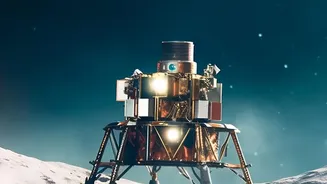
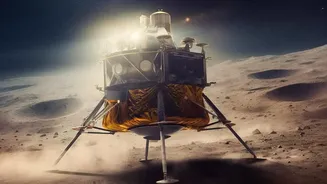
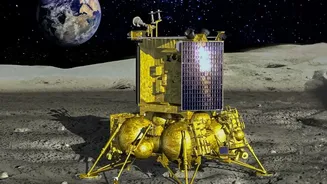
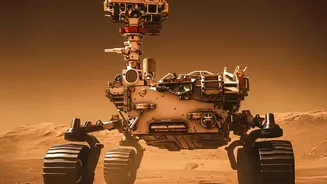
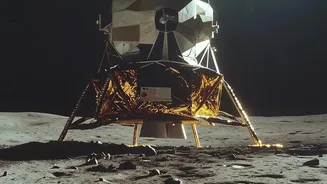
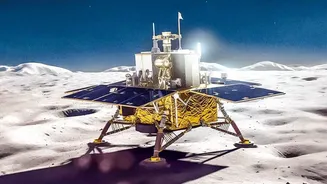
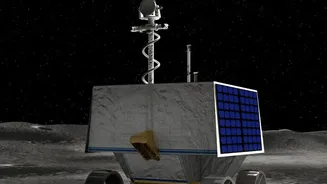
While many startups are in their early stages, the ambition is palpable. One of the pioneers in this field was TeamIndus, a Bengaluru-based company formed to compete in the Google Lunar XPrize. Though the competition ended without a winner, TeamIndus (now part of Axiom Research Labs) demonstrated the feasibility of a privately funded moon mission from India, raising capital and developing key landing and rover technologies. Today, a new generation of companies is building on that foundation. They are focused on creating lightweight, modular rovers designed for specific tasks like soil analysis, prospecting for water ice, or deploying small scientific instruments. These rovers are being designed to be payload on commercial landers from companies around the world, creating a flexible business model. The joint Indian-Japanese LUPEX mission, which will use an Indian lander to deliver a Japanese rover to the Moon's south pole, highlights the collaborative nature of this new space age.
Challenges and the Road Ahead
The path to the lunar surface is fraught with challenges. Securing consistent funding, navigating a complex regulatory environment, and proving the reliability of their technology in the harsh environment of space are significant hurdles. The failure of the Japanese private firm ispace's Hakuto-R lander in 2023 serves as a stark reminder of the risks involved. However, the tailwinds are strong. ISRO is providing crucial support through technology transfer and mentorship. Furthermore, India's signing of the Artemis Accords and NASA's recent invitation for ISRO to participate in its Moon Base program could open up immense opportunities for Indian startups to integrate into the global lunar supply chain. This collaboration could provide a vital pathway for Indian-made hardware and robotic missions to contribute to humanity's first permanent outpost on the Moon.