





A Legacy Built on Global Trade
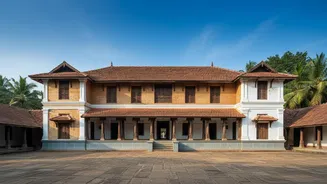
In the arid plains of Tamil Nadu's Sivaganga district lies Chettinad, a region famed not for monuments to kings, but for the palatial homes of the Nattukottai Chettiars. This prosperous banking and trading community flourished in the 19th and early 20th
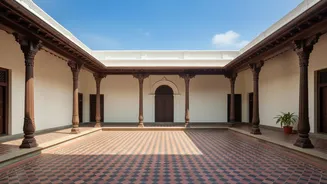
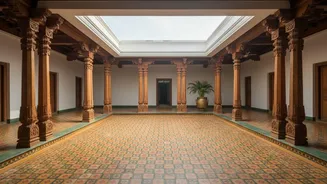
centuries, with business interests stretching across Southeast Asia. Their wealth was channelled back home into constructing thousands of extravagant mansions, each a testament to their global connections. These homes are a stunning architectural fusion, blending traditional Tamil layouts with an eclectic mix of imported materials. It wasn't uncommon to find Italian marble, Burmese teak pillars, Belgian mirrors, and English steel beams all under one roof, creating a unique style that speaks of a cosmopolitan past.
The Slow Decline of Grandeur
As the Chettiars' fortunes shifted with changing global politics and economic landscapes after World War II, maintaining these colossal properties became an insurmountable challenge. Many families moved to cities or abroad, leaving the mansions abandoned or in the care of distant relatives. With an average of 60 to 100 rooms, the upkeep was enormous. For decades, these architectural marvels languished, their intricately carved doors gathering dust and their magnificent courtyards falling silent. The region saw many homes dismantled, their precious materials sold off piece by piece, threatening to erase a unique chapter of Indian cultural history.
A Renaissance Rooted in Restoration
In recent years, a quiet but powerful movement has begun to reverse this decline. A new generation, including descendants of the original Chettiar families and passionate conservationists, has taken on the challenge of restoring these homes. But this is not about creating sterile museums. The goal is adaptive reuse, turning these sprawling properties into boutique heritage hotels and homestays. This approach provides a sustainable financial model for their preservation, ensuring the buildings are not just saved, but lived in. The restoration process is painstaking, often involving sourcing traditional materials and reviving forgotten construction techniques to maintain the integrity of the original structure.
The Eco-Conscious Connection
The appeal of these restored mansions extends beyond their beauty, resonating deeply with modern eco-conscious travellers. At its core, restoring an old building is an act of sustainability. It is the ultimate form of recycling, preventing the carbon footprint and waste associated with new construction. Chettinad architecture itself was inherently eco-friendly. The design, with its open courtyards and verandas, promotes natural ventilation, reducing the need for air conditioning. Local materials like limestone and egg whites were used to create smooth, cooling wall plasters. By reviving these homes, restorers are also championing these traditional, low-impact building methods.
Experiencing Ancestral Life Today
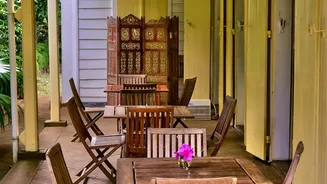
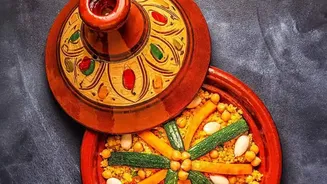
Staying in a restored Chettinad mansion offers travellers more than just a luxurious room; it offers a portal to another era. Guests can experience 'ancestral living' in a way that feels authentic and immersive. The experience is woven into the very fabric of the stay — from sleeping in a room adorned with antique furniture to dining on the famously aromatic and complex Chettinad cuisine, often prepared using family recipes. These heritage hotels serve as gateways to the local culture, offering tours of the region, cooking classes, and insights into the life of the Chettiars. It's a travel experience that is slow, mindful, and deeply connected to the place.