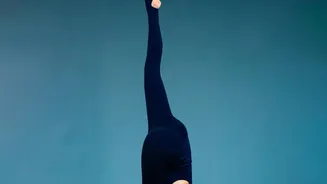
More Than Just Stretching
When you think of flexibility, you might just picture lengthening your muscles. Yoga goes deeper. The practice works on multiple levels to improve your range of motion. Many yoga poses involve static stretching, where you hold a position for a period
of time. This encourages not just muscle elasticity (the ability to stretch and return to normal), but also plasticity, which is the muscle's capacity to adopt a new, longer length over time. But it's your nervous system that's often the real gatekeeper of flexibility. It has protective reflexes that cause a muscle to tighten if it thinks you're stretching too far, too fast. Yoga's emphasis on slow movements and deep, conscious breathing helps calm this response. A relaxed nervous system allows your muscles to release tension and lengthen more safely and effectively, increasing what's known as your 'stretch tolerance'.
Consistency is Key
Improving flexibility is a gradual process. The most significant gains come from consistent practice rather than infrequent, intense sessions. Aiming for 10-15 minutes of gentle stretching each day can be more beneficial than one long class a week. Before you begin, warm up your body with a few minutes of light movement to improve muscle elasticity. As you practice the poses, focus on your breath—inhale to prepare and lengthen your spine, and exhale to deepen into the stretch. Most importantly, listen to your body. A stretching sensation is good; sharp pain is a signal to ease off. Using props like blocks or folded blankets can help support your body and prevent strain, making the poses more accessible.
Cat-Cow Pose (Marjaryasana-Bitilasana)
This gentle, flowing sequence is a perfect warm-up for the spine. Start on your hands and knees in a 'tabletop' position, with your wrists directly under your shoulders and knees under your hips. As you inhale, drop your belly towards the mat, lift your chest and chin, and look up slightly (Cow Pose). As you exhale, round your spine toward the ceiling, tucking your chin to your chest and pressing the mat away (Cat Pose). Continue flowing between these two poses for 5-10 breaths. This movement improves spinal flexibility, relieves tension in the back and neck, and gently stimulates the abdominal organs.
Downward-Facing Dog (Adho Mukha Svanasana)
One of the most iconic yoga poses, Downward-Facing Dog is a full-body stretch. From your hands and knees, tuck your toes, lift your hips up and back, forming an inverted 'V' shape with your body. Spread your fingers wide and press firmly into your hands. Keep your head between your upper arms. It's okay if your heels don't touch the ground; you can bend your knees generously to focus on lengthening your spine. To deepen the hamstring stretch, gently 'pedal' your feet by bending one knee and then the other. This pose strengthens the arms and legs while stretching the shoulders, hamstrings, calves, and entire back of the body.
Triangle Pose (Trikonasana)
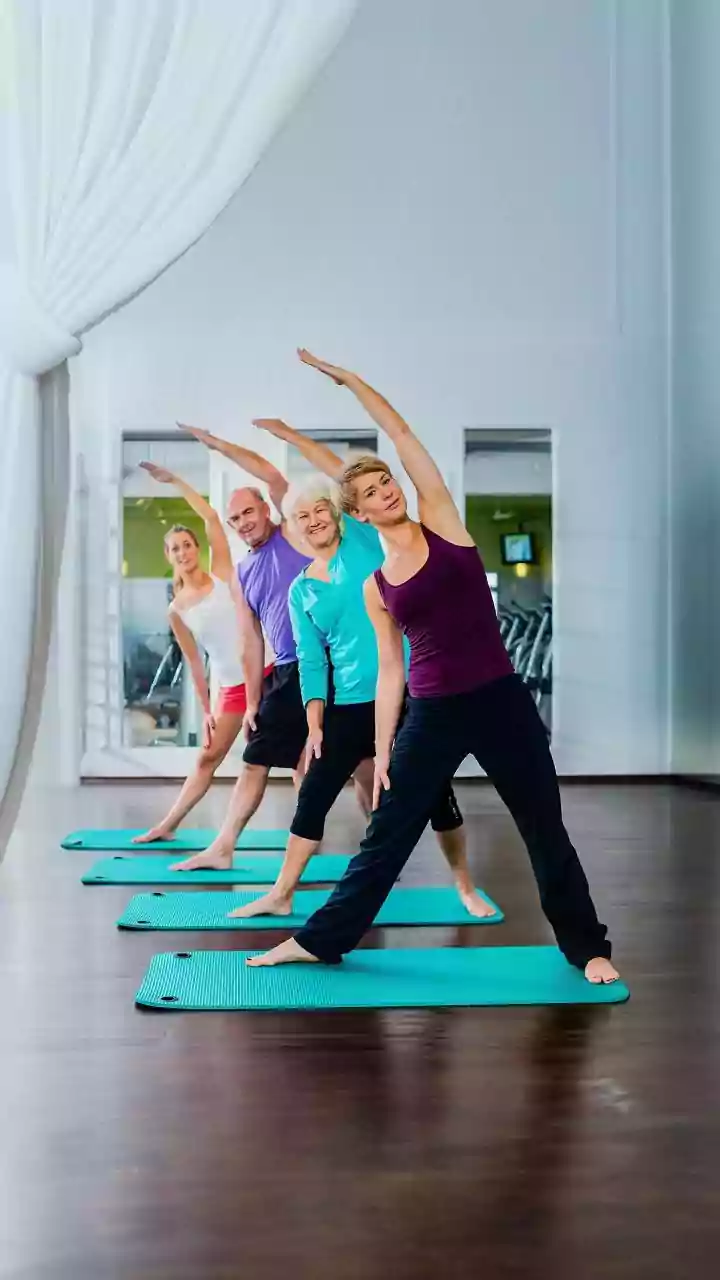
Triangle Pose is a fantastic standing posture for opening the side body, hips, and hamstrings. Start by standing with your feet about 3-4 feet apart. Turn your right foot out 90 degrees and your left foot in slightly. Inhale and extend your arms parallel to the floor. Exhale and hinge at your right hip, reaching forward and then bringing your right hand down to your shin, ankle, or a block. Extend your left arm toward the ceiling, opening your chest. This pose strengthens the legs and core while deeply stretching the hamstrings, groin, and hips and lengthening the spine.
Seated Forward Bend (Paschimottanasana)
This pose provides a deep stretch for the entire back of the body. Sit on the floor with your legs extended straight in front of you. You can sit on a folded blanket to help tilt your pelvis forward. Inhale and lengthen your spine, sitting up tall. As you exhale, hinge forward from your hips, not your waist, keeping your back straight for as long as possible. Rest your hands on your shins, ankles, or feet—wherever they comfortably reach without straining. With each exhale, allow yourself to soften further into the pose. This asana calms the mind while stretching the spine, shoulders, and hamstrings.
Bridge Pose (Setu Bandhasana)
Bridge Pose is a gentle backbend that helps stretch the front of the body and strengthen the back. Lie on your back with your knees bent and feet flat on the floor, hip-width apart. Your arms should be alongside your body with palms down. Inhale and press through your feet to lift your hips off the floor. Keep your thighs parallel. You can clasp your hands together underneath your back for a deeper chest and shoulder stretch. Bridge Pose strengthens the back, glutes, and hamstrings while stretching the chest, neck, spine, and hip flexors.