



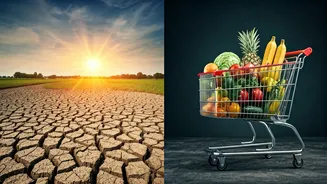


The Lifeline of Indian Agriculture
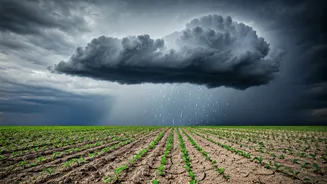
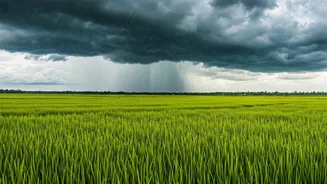
The southwest monsoon, which delivers about 70% of India's annual rainfall, is the lifeblood of the country's agriculture. The month of July is particularly critical as it coincides with the peak sowing period for Kharif crops—the staples planted during
the rainy season. These include rice, pulses, coarse cereals, oilseeds, and cotton, which form the backbone of the nation's food supply. With nearly half of India's farmland lacking irrigation, the timing, intensity, and distribution of July's rainfall can make or break the agricultural year, influencing everything from rural incomes to national economic growth.
A Below-Normal Forecast for July 2026
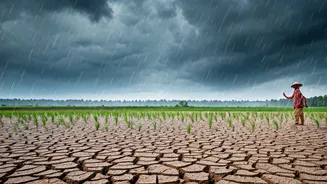
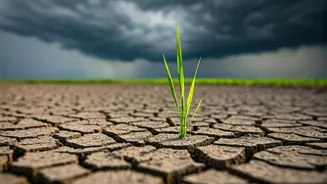
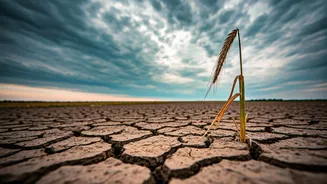
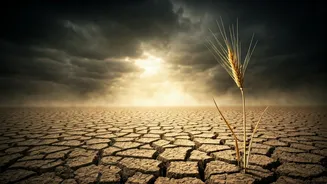
The outlook for July 2026 is a cause for concern. The India Meteorological Department (IMD) has forecast below-normal rainfall for the month, estimated at less than 94% of the Long Period Average (LPA). This follows one of the driest Junes in over a decade, with a nationwide rainfall deficit of around 40%. This significant shortfall has already hampered the start of the Kharif season, with sowing of key crops lagging considerably. Strengthening El Niño conditions are cited as a primary factor for the subdued monsoon activity, creating uncertainty for farmers.
The Direct Hit on Sowing
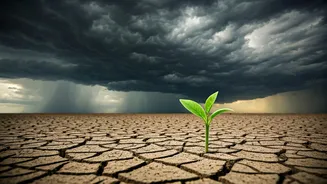
The impact of a weak start to the monsoon is already visible on the ground. As of late June 2026, the total area sown with Kharif crops was down by about 23% compared to the previous year. The sowing of paddy, the main Kharif crop, has seen a decline of over 25%. The situation is more alarming for other essential crops; pulses acreage has fallen by over 30%, and oilseeds like soybean and groundnut have seen a staggering drop of more than 50% in planted area. Farmers are hesitant to sow without adequate cumulative rainfall, as it affects seed germination and raises the risk of crop failure.
The Ripple Effect on Supply and Prices
A delay or deficit in sowing directly translates to a potential reduction in agricultural output. Lower production tightens supply in the market. When this reduced supply meets consistent demand, prices inevitably rise. This is the core of food inflation. Crops that are heavily rain-fed, such as pulses and oilseeds, are the most vulnerable to a weak monsoon and face the highest risk of production shortfalls. While India maintains buffer stocks of staples like rice, which can cushion some impact, the prices of vegetables and pulses are notoriously sensitive to monsoon performance and can spike quickly.
What It Means for Your Wallet
The chain reaction that begins with rainfall in July ends at the local market and in every household's kitchen budget. A poor monsoon can lead to a direct increase in the prices of daily essentials like dal (pulses), vegetable oils, and fresh vegetables. Economists have warned that a combination of weak rains and high temperatures could fuel food inflation. While government agencies have contingency plans for vulnerable districts, including promoting drought-resistant crop varieties, the performance of the monsoon in the coming weeks remains the most crucial factor. For the average consumer, the amount of rain that falls in July is a powerful indicator of how much they will be paying for food in the months to come.