





From Heirloom to High Street
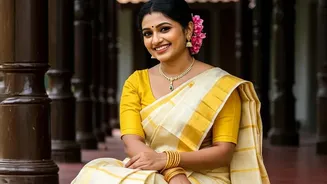
Not long ago, handloom fabrics were often reserved for special occasions or seen as heirloom pieces, like a grandmother's precious silk sari. Today, that perception is rapidly changing. A new wave of Indian designers and conscious consumers are championing
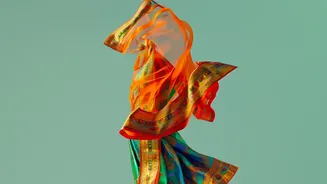
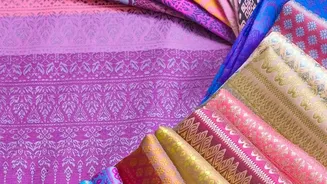
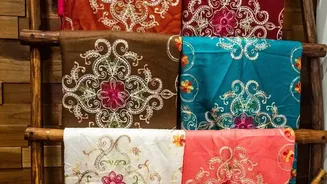
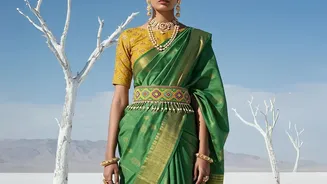
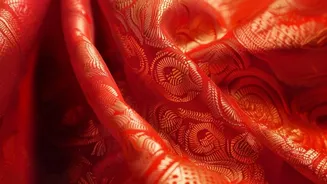
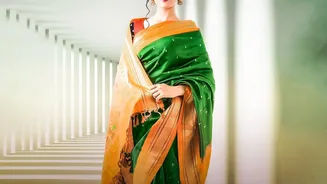
these textiles for their unique beauty, sustainability, and the human story woven into every thread. Fabrics like Chanderi, Banarasi brocade, and Ikat are no longer confined to traditional wear. They are being transformed into chic jackets, versatile co-ord sets, elegant dresses, and even tailored separates, making handloom a vibrant part of everyday modern life. This shift marks a move away from mass-produced garments towards items that carry a narrative and a sense of connection.
The New Language of Style
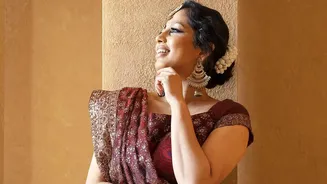
The current revival is driven by innovation. Designers are not simply using old fabrics; they are reinterpreting them. Brands like Raw Mango have become synonymous with giving Chanderi silk a contemporary flair through modern motifs and a jewel-toned palette, while Ekaya Banaras has made intricate Banarasi weaves relevant for a generation that wants to wear heritage beyond their wedding day. Labels are experimenting with lighter silhouettes, modern cuts, and unexpected pairings, proving that handloom can be both timeless and fashion-forward. This creative fusion allows wearers to express their identity in a way that feels both rooted in Indian culture and aligned with a global aesthetic.
More Than Just a Garment
Choosing to wear handloom in 2026 is a statement. It is an act of conscious consumerism that supports sustainability and ethical production. Unlike power looms, handloom production has a minimal carbon footprint, often uses natural fibres and dyes, and requires little to no electricity. For a growing number of millennials and Gen Z buyers, a handwoven garment is a tangible connection to India's rich craft traditions. It represents a vote for traceability and authenticity in an often-impersonal global market. Wearing a handloom piece is wearing a story of patience, skill, and the artisan's human touch—qualities that machines can never replicate.
Weavers at the Forefront
The handloom sector is India's second-largest source of rural employment, providing a livelihood for over 3.5 million workers, the majority of whom are women. The revival movement is crucial for empowering these artisans and ensuring their craft provides a stable, dignified income. Initiatives by government bodies, non-profits like Tata Trusts' Antaran, and e-commerce platforms are helping weavers connect directly with markets, bypass middlemen, and gain recognition. By investing in skill development and better market access, these efforts are helping to make weaving an aspirational profession for the next generation, not just a legacy to be abandoned for more lucrative work.
Challenges on the Loom
Despite the positive momentum, the handloom sector faces significant challenges. Competition from cheaper, mass-produced power loom fabrics remains a major threat. Many weaver households still face income vulnerability, with a large percentage earning less than ₹5,000 per month. Furthermore, there is the risk of the term "handloom" being diluted or used for marketing without genuine substance. Ensuring the authenticity of handwoven products through initiatives like the Handloom Mark is crucial for maintaining consumer trust. The biggest challenge, however, is positioning handloom not as a cheap alternative, but as a valuable product celebrated for its unmatched craftsmanship, sustainability, and cultural heritage.