



A Partnership Years in the Making
The collaboration between India and the United States in space is not new, tracing its roots back to the launch of the first sounding rockets from Thumba in the 1960s with US support. However, the relationship has accelerated dramatically in recent years.
A key framework is the Initiative on Critical and Emerging Technology (iCET), launched to bolster the strategic technology partnership between the two nations. This was later enhanced and rebranded as the TRUST (Transforming the Relationship Utilizing Strategic Technology) initiative. These high-level agreements have moved space cooperation from a secondary topic to a central pillar of the bilateral relationship, covering civil, commercial, and security aspects. A significant milestone was India joining the Artemis Accords in 2023, a US-led framework for responsible and peaceful lunar exploration. This decision signals a strategic shift for India towards collaborative global engagement in space.
Eyes on Earth: The NISAR Mission
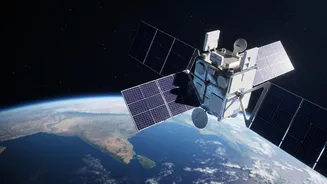
The most tangible symbol of this partnership is the NASA-ISRO Synthetic Aperture Radar (NISAR) mission. Launched successfully, this sophisticated Earth-observation satellite is a marvel of joint engineering. NISAR is the first satellite mission to use two different radar frequencies (L-band and S-band) to measure changes in our planet's surface with unprecedented precision. It can detect movements as small as a centimeter, observing land, ice sheets, and ecosystems. The benefits for India and the world are immense. NISAR's data will revolutionize disaster management by spotting warning signs for volcanic eruptions, earthquakes, and landslides. It will also provide critical information for monitoring groundwater supplies, tracking the impact of climate change on glaciers, managing agricultural resources, and protecting critical infrastructure. Crucially, all NISAR data will be made openly available, amplifying its global impact.
To the Moon and Beyond
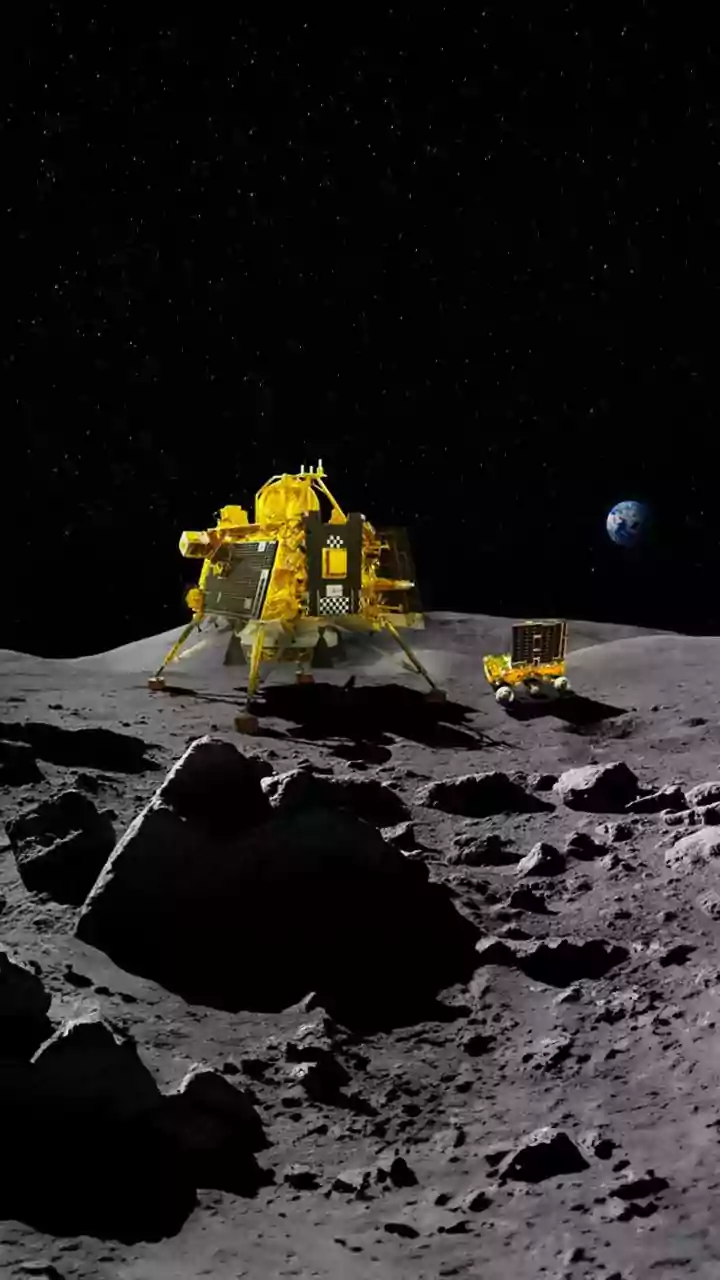
With India as a signatory to the Artemis Accords, the collaboration is now extending into deep space. The Accords provide principles for safe and transparent exploration, and India's participation aligns its ambitious lunar program with a global standard. Building on this, NASA has formally invited ISRO to join its ambitious Moon Base program, a plan to establish a permanent human presence on the lunar surface. This invitation, extended during the recent Civil Space Joint Working Group meeting in Bengaluru, opens a new dimension for India's role in lunar exploration beyond its own successful Chandrayaan missions. The partnership also includes human spaceflight cooperation. As part of the agreements, ISRO astronauts are set to receive advanced training at NASA's Johnson Space Center for a joint mission to the International Space Station.
Fueling a New Commercial Space Race
This government-led cooperation is creating a powerful ripple effect in the private sector. The partnership aims to foster a vibrant ecosystem that drives innovation and creates a sustainable value chain. India's space economy is rapidly expanding, with the government liberalizing foreign direct investment and encouraging startups. The collaboration with the US provides Indian companies with access to new markets, technologies, and investment opportunities. Joint ventures in satellite communications, launch systems, and geospatial services are expected to flourish. Initiatives like the 'Space Innovation Bridge' under the INDUS-X framework are specifically designed to connect the startup ecosystems of both countries. This synergy positions India to become a global hub for low-cost satellite and rocket manufacturing, aligning with the 'Make in India for the World' vision.