


Monitor the Weather and Choose Destinations Wisely
The single most important step for safe monsoon travel is staying informed about weather conditions. Before and during your trip, regularly check forecasts from the India Meteorological Department (IMD). Heavy rainfall can trigger landslides and flash
floods, particularly in mountainous regions like Himachal Pradesh and Uttarakhand. Consider swapping traditionally high-risk corridors for safer alternatives that still offer a beautiful monsoon experience. If an official weather alert (yellow, orange, or red) is issued for your destination, be prepared to alter your plans. Flexibility is key; a rigid itinerary can become a liability when roads are blocked or transport is delayed.
Prepare Your Vehicle for Wet Roads
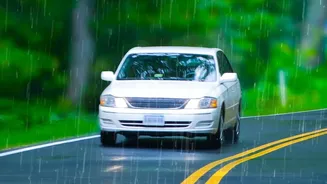
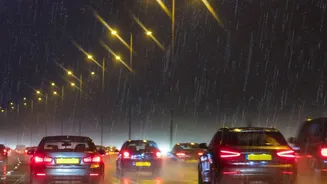
If you are planning a road trip, a pre-trip vehicle check is non-negotiable. Ensure your tyres have adequate tread depth to handle slippery roads. Properly functioning brakes, headlights, and windscreen wipers are your first line of defence against poor visibility and reduced braking distances in the rain. It's wise to replace worn wiper blades before you start. On the road, reduce your speed, maintain a much greater distance from the vehicle ahead, and avoid sudden braking. It's also recommended to keep your headlights on a low beam even during the day to increase your visibility to other drivers. Never attempt to drive through a flooded road if you are unsure of its depth.
A Smart Packing List is Essential
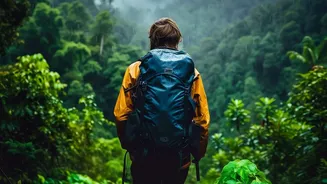
Monsoon packing is different from packing for any other season. Prioritise synthetic, quick-dry clothing over cotton, which stays wet for hours in high humidity. A lightweight, waterproof rain jacket or poncho is a must-have. Protect your electronics, documents, and cash using waterproof dry bags or simple zip-lock pouches. Your footwear should be rain-friendly, like waterproof sandals or floaters with good grip, to navigate wet and muddy paths. Also pack a microfiber towel, which dries much faster than a standard one. Don't forget a power bank, as power cuts can be common during stormy weather.
Prioritise Health and Hygiene
The monsoon brings an increased risk of waterborne and mosquito-borne diseases. To stay healthy, avoid street food that may be unhygienic and drink only bottled, boiled, or purified water. The humid climate is also a breeding ground for bacteria and fungi. Wash your hands frequently, and consider carrying a hand sanitiser. Mosquitoes that transmit diseases like dengue and malaria are more prevalent, so use a good insect repellent and wear long-sleeved clothing, especially during early mornings and evenings. A basic first-aid kit with antiseptic, bandages, and any personal medications is also crucial.
Build Buffers and Emergency Plans
Monsoon travel rarely goes exactly as planned. Weather can cause sudden delays, from road closures due to landslides to cancelled flights. Build buffer days into your itinerary instead of scheduling tight connections. This is especially important if your journey involves mountain roads, which can become blocked for hours or even days. Before you leave, inform family or friends of your detailed itinerary. Save emergency contact numbers for local authorities on your phone. A fully charged phone and a power bank are your lifeline in case you get stranded or need to rearrange your plans.