





Tackling Ticks and Fleas
The high humidity and dampness of the monsoon create a perfect breeding ground for ticks and fleas. These aren't just an itchy nuisance; they can transmit serious diseases like ehrlichiosis and babesiosis, which are prevalent in India. Prevention is your
strongest defence. Speak to your vet about the best option for your pet, which could include monthly spot-on treatments, anti-tick collars, or oral medications. Many pet owners also use shampoos with natural repellents like neem, but these offer short-term protection and should complement a primary preventive measure. Make a habit of checking your pet for ticks after every walk, paying close attention to areas like between the toes, inside the ears, around the neck, and under the tail. If you find a tick, remove it carefully with a pair of tweezers or a tick-removal tool. Grasp the tick as close to the skin as possible and pull upward with steady, even pressure. Avoid twisting or jerking, as this can cause the mouth-parts to break off and remain in the skin.
Managing Damp Fur and Skin
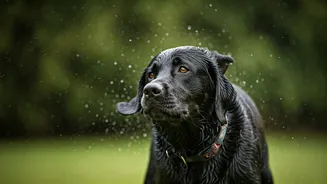
That familiar “wet dog smell” is the least of your worries. A perpetually damp coat can lead to nasty skin infections, both fungal and bacterial. These conditions, often called 'hot spots', can be painful and require veterinary treatment. The key is to dry your pet thoroughly after every single walk or bath. Start by towel-drying vigorously with a highly absorbent microfibre towel. For long-haired or double-coated breeds, a blow-dryer on a low-heat, low-speed setting is essential. Keep the dryer moving to avoid concentrating heat on one spot. Don't forget the paws! Mud and moisture trapped between paw pads can cause irritation and infection. After every walk, wash your pet’s paws with lukewarm water (or use a paw cleaner) and dry them completely. This simple step prevents your pet from licking dirt and germs and protects your floors from muddy prints.
Adjusting the Grooming Routine
Your pet’s grooming needs change with the season. During the monsoon, daily brushing becomes non-negotiable. It helps remove loose fur, prevents matting (which traps moisture and dirt against the skin), and allows you to spot any ticks or skin issues early. For long-haired breeds, you might consider a shorter “monsoon trim” to make cleaning and drying easier. While it’s tempting to bathe your pet frequently to combat the mud and damp smell, over-bathing can strip their skin of natural oils, making it dry and prone to irritation. Stick to a regular bathing schedule as advised by your vet, but use waterless shampoos or cleansing wipes for a quick clean-up between baths. Finally, ensure your pet’s bedding is always clean and dry. A damp bed is a haven for bacteria, fungi, and parasites. Wash their bedding more frequently during the rains and ensure it is completely dry before use.