


The Twin Retreat: Lonavala and Khandala
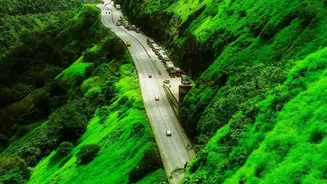
A perennial favourite for a reason, the twin hill stations of Lonavala and Khandala truly come alive after the rains. The drive itself, whether from Mumbai or Pune, is a therapeutic experience as the ghats are draped in a thick blanket of green. While
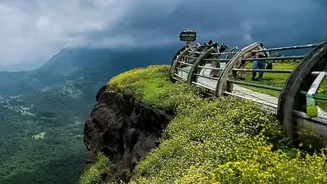
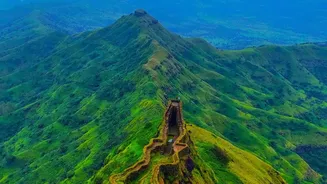
the monsoon brings misty drama, the October and November window offers clearer skies and pleasant temperatures, perfect for sightseeing. The Bhushi Dam, while less chaotic than in peak monsoon, still has its charm with gentle, flowing water over the steps. Viewpoints like Tiger Point and Duke's Nose provide stunning, unobstructed panoramas of the verdant valleys. This season is also ideal for comfortable treks to historic forts like Lohagad and Rajmachi without the slippery trails of the monsoon months. For a more relaxed outing, you can explore the ancient Karla and Bhaja Caves or simply indulge in the local specialty – hot chikki and fudge.
The Serene Escape: Igatpuri
Nestled in the Western Ghats, Igatpuri is a haven of tranquility, especially in the post-monsoon period. Located about 120 km from Mumbai, it's a relatively quick drive into a landscape of rolling hills and serene lakes. The weather from October to February is particularly pleasant, making it the best time for outdoor activities. The lushness left by the rains means attractions like the Bhatsa River Valley and Camel Valley are at their scenic best, with clear views and mist-free mornings. While the main gush of monsoon waterfalls has subsided, seasonal cascades like the Ashoka Waterfall can still be admired. For trekkers, the trails to Tringalwadi Fort are more accessible and safer than during the heavy rains. Igatpuri is also famous for the Vipassana International Academy, offering a peaceful retreat for those seeking a quiet and mindful break.
The Waterfall Paradise: Bhandardara
If you feel you’ve missed the best of the waterfalls, head to Bhandardara. Situated in Ahmednagar district, this destination is built around the Wilson Dam and Arthur Lake. Post-monsoon, the dam's overflow often keeps the famous Umbrella Falls active, creating a spectacular sight as water cascades over a semi-circular rock face. The entire region remains incredibly lush, with the Pravara River flowing generously. A footbridge near the falls offers a fantastic vantage point for photographs and to feel the spray of the water. Beyond the main falls, you can visit the serene Arthur Lake for a boat ride or explore Randha Falls, another powerful cascade in the area. This is also the base for the trek to Kalsubai, the highest peak in Maharashtra, an adventure best undertaken in the clearer, cooler weather that follows the monsoon.
The Mountain Pass: Malshej Ghat
Famous for its winding roads that cut through the mountains, Malshej Ghat is a driver's delight and a nature lover's paradise. While spectacular during the monsoon, the post-monsoon period from October to November is an underrated window to visit. The landscape retains its vibrant green, waterfalls still trickle down the rock faces, and the air is crisp and clear. Most importantly, the tourist crowds have thinned, allowing for a more peaceful experience. This season is particularly good for birdwatching, as migratory birds, including flamingos, begin to arrive near the Pimpalgaon Joga Dam's backwaters. Treks to nearby forts like Harishchandragad become more feasible and enjoyable with less slippery conditions. It's essential to check road conditions before travelling, as the ghat section can sometimes be closed for repairs after heavy rains.