



Why Your Plants Can Drown
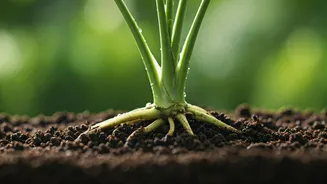
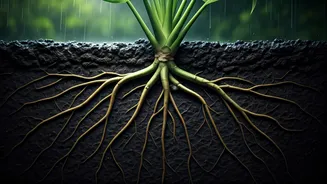
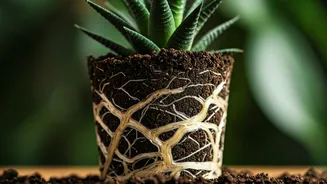
We think of plants as needing water, and they absolutely do. But what we often forget is that their roots also need to breathe. Soil isn’t just dirt; it’s a complex matrix of minerals, organic matter, water, and air pockets. Plant roots absorb water, but
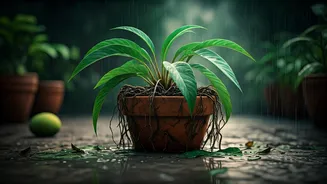
they also require oxygen from these air pockets to convert sugars into energy—a process essential for growth. When soil becomes waterlogged due to poor drainage, these air pockets fill with water. The roots are effectively cut off from their oxygen supply. This state of suffocation is the first step towards a condition every gardener dreads: root rot. The roots begin to die and decay, becoming a breeding ground for fungi and bacteria that accelerate the process. Ironically, a plant suffering from root rot often looks just like a plant that's desperately thirsty—it wilts, its leaves turn yellow and drop, and its growth stalls. This leads many well-intentioned gardeners to water it even more, sealing its fate.
The Myth of the Gravel Layer
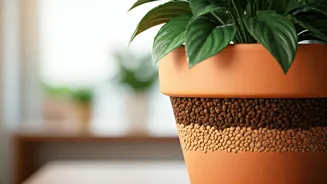
For decades, a common piece of gardening advice was to add a layer of gravel, stones, or broken pot shards to the bottom of a container before adding soil. The logic seemed sound: create a space for excess water to go. However, horticultural science has shown this to be not only ineffective but actively harmful. This practice creates something called a 'perched water table'. Water does not move easily from a fine-textured material (like potting soil) to a coarse-textured material (like gravel). Instead of draining through, the water will first completely saturate the soil layer above the gravel, just as if the gravel wasn't there. You've essentially just raised the soggy bottom of the pot, giving the roots even less well-drained soil to grow in. Ditching the gravel is one of the single best things you can do for your potted plants. The pot's drainage hole is all you need.
Perfecting Drainage in Pots
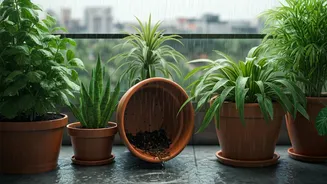
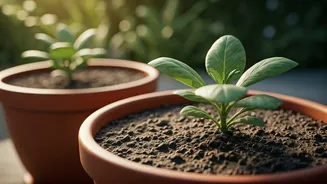
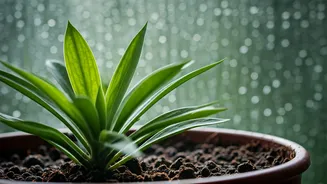
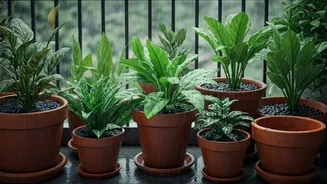
So, how do you ensure perfect drainage in containers? It starts with the pot itself. Always choose a pot with at least one sizable drainage hole. If you fall in love with a decorative pot that has no holes, you have two options: either drill one yourself (using a masonry bit for ceramic or terracotta) or use it as a 'cachepot'. This means keeping your plant in a simple plastic nursery pot with holes and placing that inside the decorative one. When you water, simply remove the inner pot, let it drain completely, and then place it back. The right soil is just as critical. Don’t use heavy garden soil in containers. Instead, buy a quality potting mix. These mixes are specifically blended to be light and airy, containing ingredients like perlite (the little white balls), vermiculite, or composted bark that create a structure resistant to compaction and ideal for holding both moisture and air.
Amending Your Garden Beds
In-ground garden drainage is a different challenge, especially in areas with heavy clay soil. Clay particles are tiny and pack together tightly, leaving little room for air or for water to pass through. You can't just dig a hole in clay, fill it with good soil, and expect a plant to thrive. You’ve essentially created a bucket that will fill with water and drown the roots. The solution is to improve the soil structure over a wider area. The single best amendment for almost any soil type, especially heavy clay, is organic matter. Adding several inches of well-rotted compost, leaf mould, or aged manure and mixing it into the top 6-8 inches of your soil works wonders. The organic matter forces the clay particles apart, creating a better structure for drainage and aeration. For particularly problematic areas, creating raised beds is an excellent solution. This physically lifts the primary root zone above the poorly draining native soil, giving you complete control over the growing medium.