








First, What Is a Gold ETF?
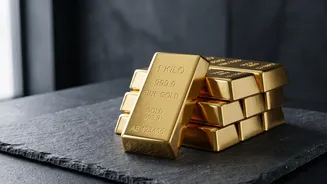
Think of a Gold ETF as a mutual fund that invests in just one thing: pure gold. Instead of buying a stock in a company, you buy a 'unit' of the ETF on the stock exchange, just like a share. Each unit represents a certain amount of physical gold (often
one gram or a fraction of it) that is held securely in vaults by the fund manager. This allows you to invest in gold without ever physically holding it, combining the safety of a traditional asset with the convenience of the stock market. Reports indicate a significant shift, with assets in Gold ETFs in India growing seven-fold between 2022 and early 2026.
The Purity and Pricing Advantage
When you buy gold jewellery, its purity can be a concern, and prices can vary from one jeweller to another. Gold ETFs solve this problem. They are backed by 99.5% pure gold, a standard mandated by regulators. This ensures you are investing in high-quality gold. Furthermore, the pricing is transparent. You can see the live price of the ETF on the stock exchange during market hours and buy or sell at that rate. This eliminates the guesswork and haggling that often accompanies buying physical gold.
Cutting Out the Hidden Costs
Physical gold comes with several extra costs that eat into your returns. First are the 'making charges' on jewellery, which can range from 5% to over 25% and are non-refundable. Then there's the 3% Goods and Services Tax (GST) applied at the time of purchase. Finally, you have storage costs, like bank locker fees, to keep it safe. Gold ETFs have none of these. There are no making charges and no GST on purchase. While they do have small annual fees called an 'expense ratio' (typically 0.5% to 1%) and brokerage fees for trading, these are often significantly lower than the costs associated with physical gold over time.
Unmatched Liquidity and Convenience
One of the biggest gains with Gold ETFs is liquidity—the ease with which you can convert your investment back into cash. You can sell your ETF units on the stock exchange anytime during trading hours with a few clicks. The money is typically in your account within two days. Selling physical gold, on the other hand, requires you to find a jeweller or buyer, who may conduct purity checks and offer a lower rate than the prevailing market price. Investing in ETFs also requires a Demat account, which has become increasingly accessible to retail investors across India, contributing to their rising popularity.
A Simpler Tax Structure
The taxation of gold can be complex, but ETFs offer a slight edge in certain situations. When you sell gold for a profit, you pay capital gains tax. For both physical gold and Gold ETFs, gains from investments held over a longer period are taxed at a lower rate. However, Gold ETFs qualify for this long-term tax treatment after just 12 months, whereas physical gold requires a holding period of 24 months. This makes ETFs more tax-efficient for medium-term investors who might need to sell between one and two years.
What You Don't Get: The Tangible Touch
Despite the clear financial advantages, Gold ETFs cannot replace the cultural and emotional significance of physical gold. You cannot wear an ETF unit at a wedding or gift it during a festival. For many, the satisfaction of holding a tangible asset is a key part of the investment. An ETF is a line item in a Demat account; it doesn't offer the same sense of security or tradition that a gold coin or piece of jewellery does. The choice, therefore, often depends on the primary reason for buying gold: as a pure investment or for personal use and tradition.