






Sarson (Mustard Greens)
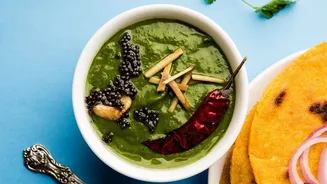
The quintessential winter green, sarson is synonymous with the classic Sarson da Saag. But its culinary potential extends far beyond this one dish. These pungent, slightly bitter leaves are packed with iron, dietary fibre, and antioxidants. While saag
is a must-try, you can also finely chop the leaves and add them to your daily dal for a flavour boost, or stir-fry them with garlic and spices for a quick and nutritious side dish. The leaves can also be incorporated into the dough for parathas or mixed with other vegetables for a hearty winter curry. The oil from its seeds, known as sarson ka tel, is a staple in many Indian households, prized for its pungent flavour and use in pickles and traditional cooking.
Shakarkandi (Sweet Potato)
Known as shakarkandi, this sweet and starchy root vegetable is a beloved winter snack, often roasted by street vendors. Sweet potatoes are an excellent source of fibre, Vitamin A, Vitamin C, and antioxidants. Beyond the classic roast with a sprinkle of chaat masala, shakarkandi is incredibly versatile. You can mash boiled sweet potatoes to make savoury tikkis or kebabs, dice them into soups for a natural sweetness and creamy texture, or even use them as a base for a healthier halwa. They also work well in curries, absorbing spices beautifully while providing a comforting, filling element to the meal.
Gajar (Carrots)
Winter brings the best carrots—deep red, sweet, and juicy, perfect for the iconic Gajar ka Halwa. But this versatile root vegetable, rich in beta-carotene and Vitamin A, can be used in countless other ways. Grate them into salads for a fresh crunch, or julienne them for a quick stir-fry with other winter veggies like peas. Carrots add natural sweetness to soups and stews, balancing more savoury flavours. You can also blend them into juices, add them to paratha fillings, or lightly cook them as a simple side dish (sabzi) with a tempering of mustard seeds and curry leaves. Their versatility makes them a staple in any winter kitchen.
Methi (Fenugreek Leaves)
Fresh methi leaves are a winter delicacy, known for their distinct aroma and slightly bitter taste. Packed with vitamins and minerals, fenugreek is fantastic for digestion. Aloo Methi and Methi Parathas are popular choices, but there's more to explore. You can stir these leaves into a simple dal tadka, giving it a fragrant lift. They also pair wonderfully with chicken in a Methi Murgh curry or can be added to keema. For a Gujarati twist, try making Methi Muthia, which are steamed or fried dumplings. The dried leaves, Kasuri Methi, are used year-round as a finishing herb for gravies and dals.
Palak (Spinach)
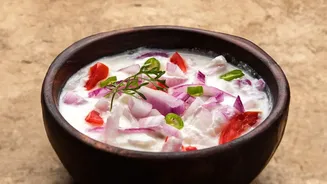
While available year-round, spinach is particularly lush and tender during the winter months. A nutritional powerhouse, it's loaded with iron, vitamins, and antioxidants. Palak Paneer is a favourite, but you can easily branch out. Try making a creamy Palak Dal or a hearty Aloo Palak. For breakfast, blend spinach into a puree and add it to your puri or dosa batter for a colourful and healthy twist. You can also make delicious appetisers like Palak Kebabs or a refreshing Palak Raita. To retain maximum nutrients, avoid overcooking the leaves.
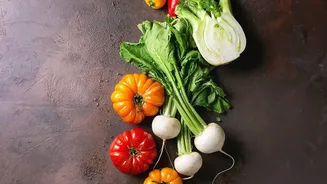
Mooli (Radish)
The sharp, peppery flavour of mooli, or white radish, is a refreshing addition to the winter plate. This root vegetable is high in fibre and packed with vitamins. Mooli Paratha is a North Indian breakfast staple, but the vegetable's use doesn't end there. Thinly sliced mooli makes for a crisp, pungent salad, often served with a sprinkle of salt and lemon juice. It can be grated into raita for a cooling side dish or stir-fried to make Mooli ki Sabzi, often using both the root and its nutritious leaves. Radish can also be pickled or added to sambar for a unique flavour dimension.
Amla (Indian Gooseberry)
Amla is a true winter superfood, renowned for its incredibly high Vitamin C content and immunity-boosting properties. Its sour and astringent taste can be intense, but it can be easily incorporated into your diet. The most common ways to consume it are as a sweet preserve (murabba) or a spicy pickle. For a daily health shot, you can juice fresh amla and dilute it with water, adding a bit of honey to balance the tartness. Amla also works well in chutneys, where its tanginess complements herbs and spices perfectly. You can even add grated amla to salads or your vegetable sabzi for a zesty, nutritious kick.