

Find and Dedicate Your Space
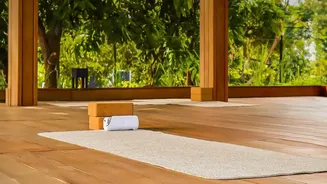
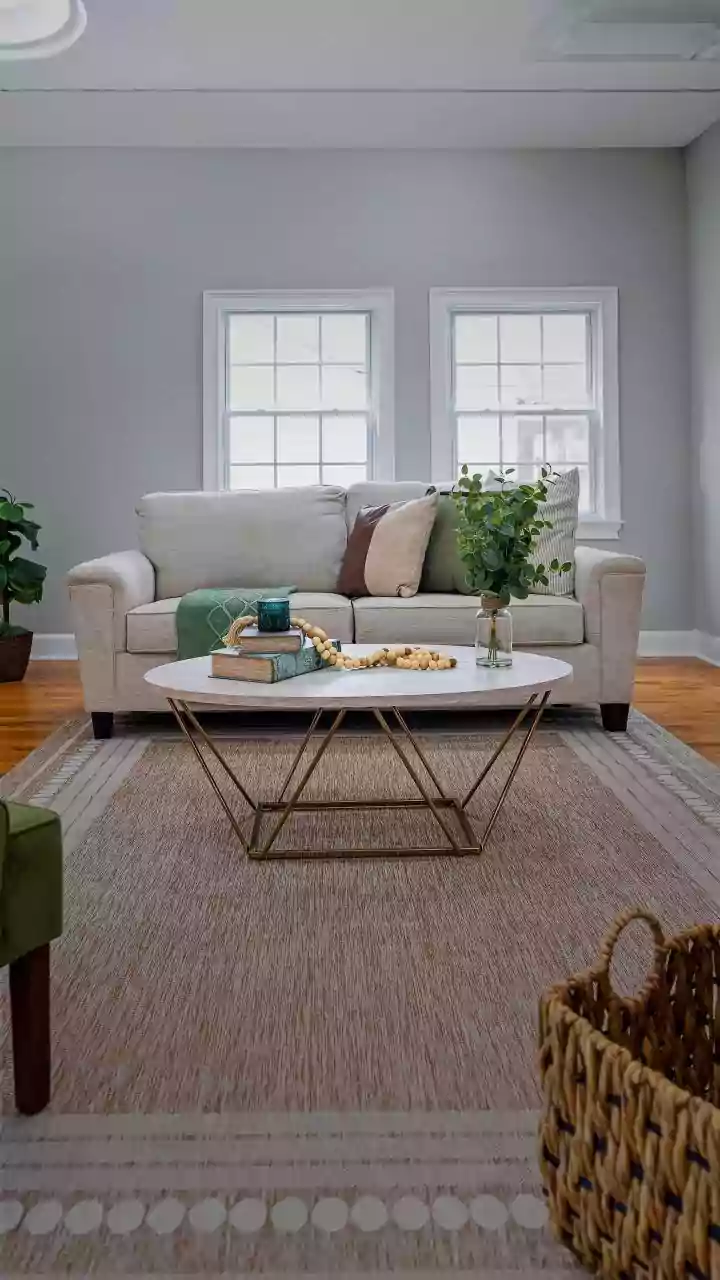
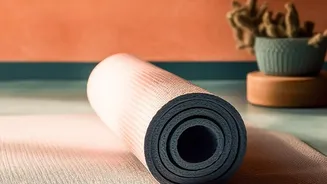
You don’t need an entire room to create a yoga sanctuary. The first step is simply to choose a spot, no matter how small. It could be a quiet corner of your bedroom, a small area in the living room near a window, or even a cleared space on a balcony.
The key is consistency. By designating a specific area for your practice, your body and mind will begin to associate that spot with relaxation and focus, making it easier to get on the mat each day. All you truly need is enough floor space for your mat and room to stretch your arms without hitting furniture.
Declutter for a Clear Mind
A cluttered space often leads to a cluttered mind. One of the most effective and completely free ways to make your practice area more peaceful is to clear it of any unnecessary items. Move aside piles of laundry, work files, or anything else that might distract you. If you can't move furniture, consider covering it with a simple cloth or using a decorative screen to create a visual boundary. The goal is to create a clean, open environment that allows your focus to turn inward, not toward your to-do list.
Set the Mood with Soft Lighting
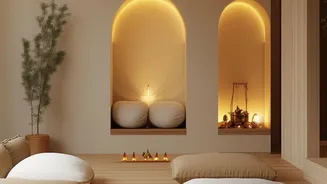
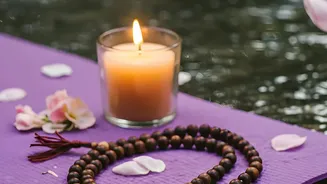
Harsh overhead lighting is rarely relaxing. Mimic the soothing atmosphere of a studio by softening the light in your space. Natural light is ideal, so if your corner is near a window, make the most of it. In the early mornings or evenings, swap bright ceiling lights for a simple floor lamp with a warm-toned bulb. Candles or even affordable battery-operated twinkle lights can also create a wonderfully tranquil ambiance without breaking the bank. Layering your light sources allows you to adjust the mood for an energetic morning flow or a restorative evening session.
Engage Your Senses
Creating a peaceful atmosphere is about more than just what you see. Engaging your other senses can deepen your experience. For scent, you don't need an expensive diffuser; a simple stick of incense or a single candle can work wonders. For sound, curate a playlist of calming music or nature sounds on your phone. Many free apps offer guided meditations or soundscapes. The idea is to create sensory cues that signal to your brain it's time to unwind and disconnect from the noise of daily life.
Get Creative with Props
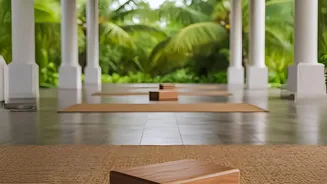
Professional yoga props can be expensive, but you likely already have everything you need at home. Instead of buying yoga blocks, a stack of thick books can provide support for various poses. A firm cushion or a folded blanket from your sofa can serve as a bolster for seated poses or a meditation cushion. A simple belt or the strap from a bathrobe can be used in place of a yoga strap for stretching. Getting creative with household items not only saves money but also reinforces the idea that yoga is accessible to everyone, everywhere.
Bring a Touch of Nature In
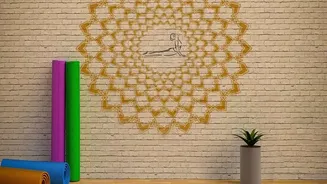
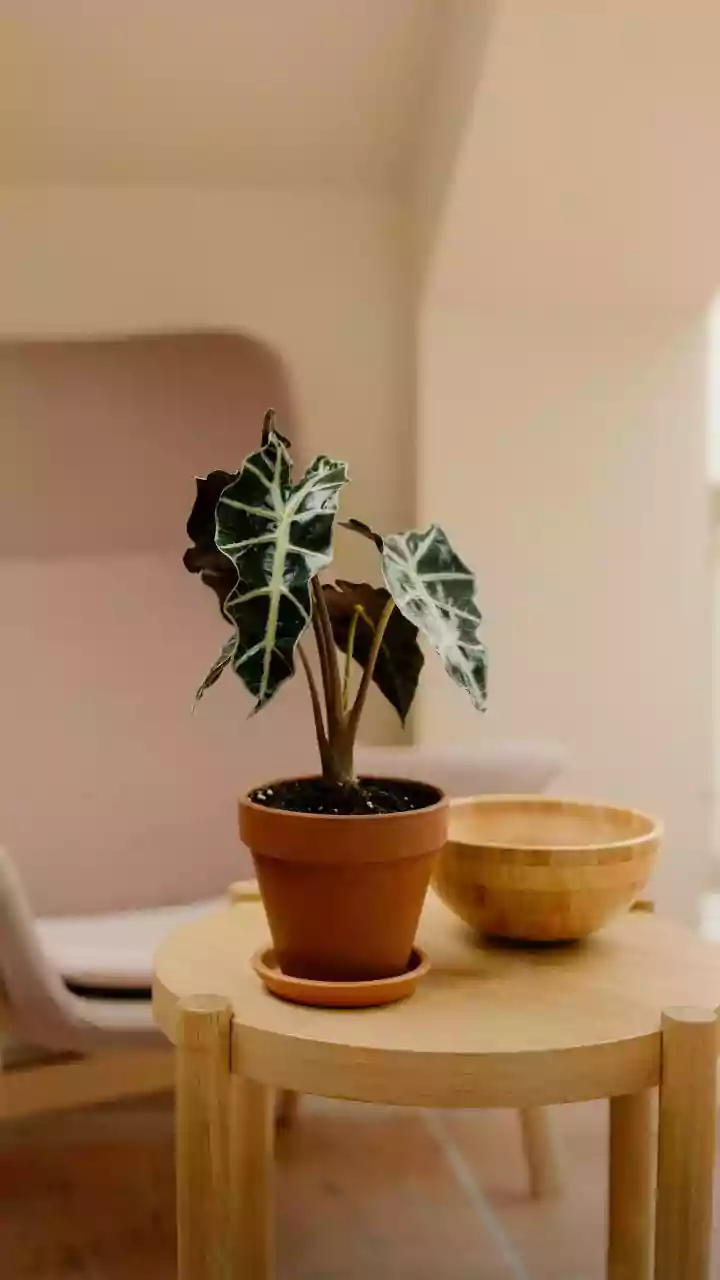
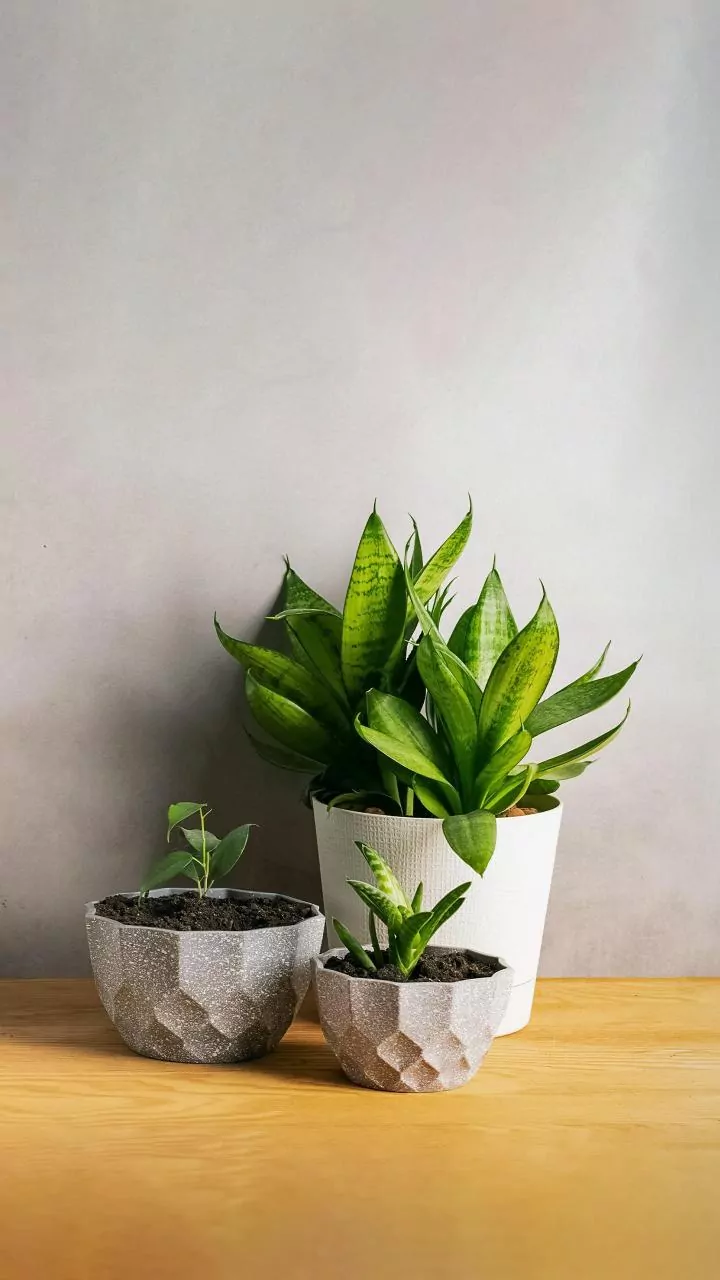
Adding a natural element is a simple way to instantly make a space feel more grounded and serene. This doesn't require a trip to a fancy nursery. A small, low-maintenance houseplant can purify the air and add a touch of life to your corner. If you don't have a green thumb, even a single flower in a vase, a smooth stone you found on a walk, or a small bowl of water can serve as a focal point for your practice and connect you to the natural world.