



Why Ingredients Do More Than Taste Good
Every ingredient in a recipe has a job to do, and it is rarely just about taste. Ingredients provide structure, moisture, crispness, creaminess, and chemical reactions that make a dish work. Flavour may get the applause, but texture and acidity do much
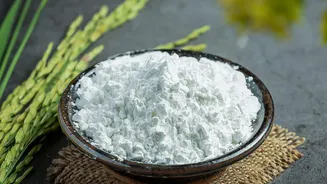
of the heavy lifting. Think of a simple cake. Flour provides structure, sugar adds sweetness but also moisture, and eggs bind everything together while helping it rise. If you simply swap out one for another based on a single characteristic, you risk a dish that is texturally disappointing or flavourfully flat. Understanding an ingredient's primary function is the first step to finding a worthy replacement.
The Crucial Role of Texture
Texture is often the first impression a food makes, shaping how we perceive its freshness and quality. A crisp bite suggests freshness, while a smooth, creamy feel can signal richness. When substituting, think about the texture you are losing. Are you missing the creamy binder of mayonnaise in a salad, the tenderising quality of yogurt in a marinade, or the crunchy topping of breadcrumbs on a bake? Each requires a different solution. For instance, if you're out of breadcrumbs for coating a cutlet, the goal is a crispy exterior. Crushed crackers, potato chips, or even coarse semolina (sooji) can mimic that essential crunch. If a recipe calls for yogurt to create a creamy sauce, replacing it with milk will result in a much thinner consistency. A better substitute might be pureed cottage cheese or sour cream, which offer a similar thickness.
Understanding Acidity's Power
Acidity is the unsung hero of the kitchen. It is one of the five basic tastes, and its main job is to create balance. An acidic component can cut through the richness of fatty foods, brighten up dull flavours, and make a dish taste more vibrant and complex. Ingredients like lemon juice, vinegar, tomatoes, buttermilk, and yogurt all bring acidity to the table. This is why a squeeze of lime is so essential on tacos and why a splash of vinegar can awaken a heavy stew. Acidity also plays a scientific role; it can tenderise meat in marinades by breaking down proteins and even 'cook' delicate fish in ceviche. When a dish tastes like it is missing something, your first thought might be to add more salt. However, often what it really needs is a touch of acid.
A Practical Substitution Framework
To make a smart substitution, combine your understanding of texture and acidity. Let's take a common scenario: you need buttermilk for pancakes but only have regular milk. The key functions of buttermilk are its liquid texture and its acidity, which reacts with baking soda to make the pancakes fluffy. To replicate this, you can add one tablespoon of lemon juice or vinegar to a cup of milk and let it sit for a few minutes. This creates a substitute that provides both the necessary liquid and the crucial acid. What if you are out of lemon juice for a vinaigrette? The goal is to provide a sharp, acidic punch. While you will lose the specific lemon flavour, other acids like apple cider vinegar or white wine vinegar can provide the necessary balance. Always think about the job the missing ingredient was hired to do, and find a replacement that can perform the same tasks.
When Not to Substitute
While this framework empowers you to be more flexible, it's also important to know when to stick to the script. Some recipes, particularly in baking, rely on precise chemical interactions. The structure of delicate pastries, the chew of a perfect macaron, or the specific crumb of an angel food cake often depends on the unique properties of an ingredient that cannot be easily replicated. In these cases, a substitution can significantly alter the final outcome in a negative way. For most everyday cooking, however, substitutions are not only possible but can lead to wonderful new discoveries. The key is to move beyond one-to-one flavour swaps and start thinking about the fundamental building blocks of a dish.