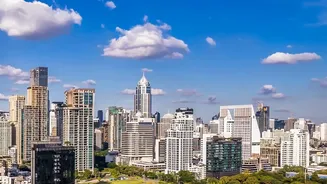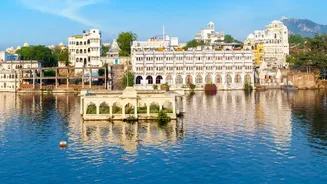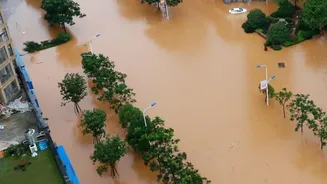






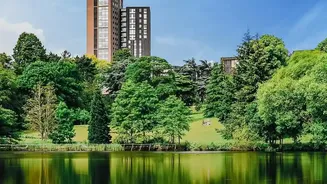
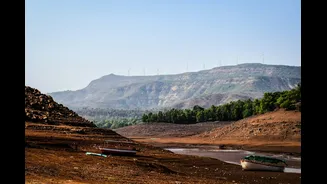
It’s a paradox familiar to many Indian cities: streets are inundated during monsoon deluges, yet taps run dry during scorching summers. The key to breaking this cycle may lie hidden in plain sight, in our rapidly disappearing urban water bodies.
Nature's Sponges Against Urban Flooding
Historically,
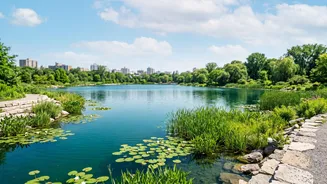
cities were built around intricate networks of lakes, ponds, and wetlands. These weren't just scenic spots; they were vital infrastructure. When heavy rains fall, these water bodies act like giant sponges. Instead of overwhelming concrete drains and causing flash floods, excess rainwater flows into these natural reservoirs. This process, known as stormwater management, slows down runoff, giving the water time to be absorbed. The soil around these lakes helps water percolate deep into the ground, recharging underground aquifers. This natural mechanism is a city's first and best line of defence against the intense, erratic monsoons intensified by climate change. Without these 'sponges', every downpour risks turning our concrete jungles into flood zones.
Banking Water for a Dry Day
The same process that mitigates floods also builds resilience against drought. The water that soaks into the ground replenishes aquifers, which are essentially underground water banks. During dry spells and heatwaves, cities heavily depend on these groundwater reserves. Healthy lakes and wetlands ensure these reserves are regularly topped up. When urban water bodies are encroached upon, paved over, or polluted, this natural recharge process is crippled. Cities then become entirely dependent on distant, strained rivers or dwindling municipal supplies, leading to the water shortages and tanker mafias that define urban summers. By preserving our lakes, we are not just preventing floods; we are ensuring a more secure water supply for the future.
The Alarming Disappearance of Urban Lakes
Despite their critical importance, India's urban water bodies are vanishing at a shocking rate. According to the Ministry of Jal Shakti's first waterbody census, they are falling victim to pollution, neglect, and, most critically, illegal encroachment. Cities like Bengaluru, once known for its 262 lakes, now have only a fraction that still hold water. The story is similar across the country, where prime real estate development often takes precedence over environmental logic. These 'holes in the ground' are filled with construction debris and municipal waste, while untreated sewage and industrial effluents poison the water, destroying the ecosystem and rendering it useless for recharge. This systematic destruction has left our cities far more vulnerable to climate shocks.
Blueprints for Revival: Success Stories from India
The good news is that it is possible to turn back the clock. Across India, citizen groups and government initiatives are bringing dead lakes back to life. In Delhi, the Rajokri lake was revived from a sewage-filled pit using a natural filtration system, creating a community space and a flood buffer. In Chennai, the restoration of the 100-acre Sembakkam lake is set to improve water storage capacity by nearly 40% while establishing a nature-based wastewater treatment system. Perhaps most famously, Anand Malligavad, known as the 'Lake Man of India', has used corporate and community partnerships to rejuvenate dozens of lakes in Bengaluru and beyond by desilting them and creating self-sustaining ecosystems. These projects prove that with scientific planning and community will, urban water bodies can be restored.
A Path Forward Through Policy and People
Recognising the urgency, government programmes like the Atal Mission for Rejuvenation and Urban Transformation (AMRUT 2.0) now prioritise the rejuvenation of water bodies. The mission promotes creating citywide water balance plans, which include restoring traditional water sources and creating a circular economy for water. However, policy is only part of the solution. The most successful restoration projects have been driven by strong community participation. Citizen 'watchdog' groups play a crucial role in monitoring lakes, reporting encroachment and pollution, and fostering a sense of local ownership. When residents, local authorities, and experts collaborate, they can transform neglected wastelands into thriving bluegreen assets that are central to urban life and resilience.