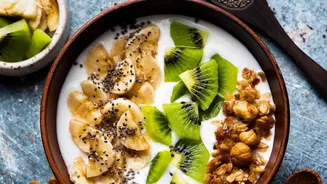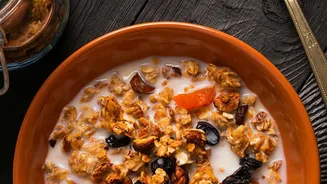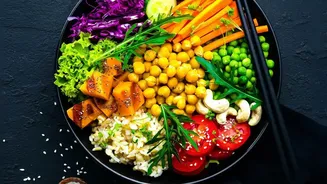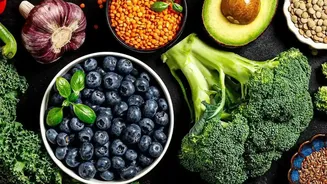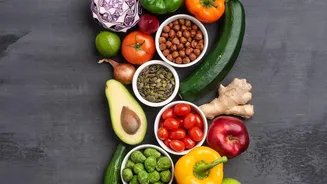



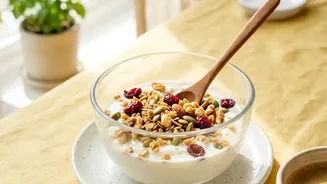
Starting your day with a fibre-rich breakfast is a powerful strategy for managing blood sugar. These five edible seeds are tiny powerhouses of nutrition that can be easily added to your morning meal for better glucose control and sustained energy.
1. Chia Seeds: The Soluble Fibre Star
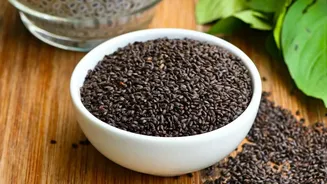
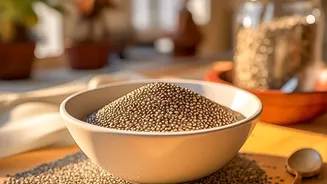
Chia
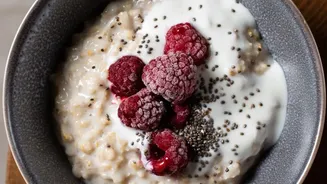
seeds are renowned for their incredible fibre content, packing around 10 grams into just a two-tablespoon serving. Much of this is soluble fibre, which forms a gel-like substance when mixed with liquid. This unique property slows down digestion, leading to a more gradual release of glucose into the bloodstream and preventing sharp post-meal spikes. Rich in omega-3 fatty acids, protein, and magnesium, chia seeds also support heart health and improve insulin sensitivity. Their ability to absorb water and expand helps promote a feeling of fullness, which can aid in weight management, a key component of controlling diabetes. How to use them: Stir a tablespoon into a bowl of curd or oatmeal. For a make-ahead option, create a simple chia pudding by soaking two tablespoons of seeds in a cup of unsweetened almond milk overnight; top with berries in the morning.
2. Flax Seeds: The Lignan Powerhouse
Flax seeds, or 'alsi', are another excellent source of fibre and heart-healthy omega-3 fatty acids. What makes them particularly beneficial for diabetes management is their high content of lignans, a type of antioxidant that has been shown to improve blood sugar control and insulin sensitivity. The soluble fibre in flax seeds, known as mucilage, slows down digestion and the absorption of sugar, which helps maintain stable glucose levels. Research has indicated that regular consumption of flaxseed powder can lead to reductions in fasting blood sugar and HbA1c levels. How to use them: Your body absorbs the nutrients from ground flax seeds more easily than whole ones. Sprinkle a tablespoon of ground flaxseed over poha or upma, or blend it into a smoothie. You can also mix it into the dough for rotis or chapatis to boost the fibre content of your meal.
3. Pumpkin Seeds: The Magnesium Boost
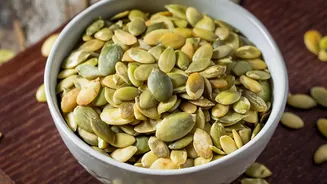
Pumpkin seeds, or pepitas, are not just a crunchy snack; they are packed with nutrients vital for diabetes care. They are one of the best natural sources of magnesium, a mineral that plays a crucial role in the body's insulin response and glucose metabolism. Many people with type 2 diabetes have low magnesium levels, so including these seeds can help address this deficiency. In addition to magnesium, pumpkin seeds provide fibre, healthy fats, and protein, all of which contribute to a very low glycaemic impact, helping to prevent sudden blood sugar fluctuations. How to use them: Enjoy a small handful (about a quarter cup) of raw or dry-roasted unsalted pumpkin seeds as part of your breakfast. Sprinkle them over a bowl of daliya, oatmeal, or a vegetable omelette for a satisfying crunch and a nutrient boost.
4. Sunflower Seeds: The Vitamin E Keeper
Sunflower seeds are a convenient and affordable way to add more fibre, healthy fats, and essential nutrients to your diet. They have a very low glycaemic index, meaning they release energy slowly and won't cause a sharp rise in blood sugar. They are an excellent source of Vitamin E, an antioxidant that helps reduce inflammation, which is often a concern in diabetes management. The combination of protein, fat, and fibre in sunflower seeds promotes satiety, helping you feel full and satisfied after your morning meal. How to use them: Add a tablespoon of unsalted sunflower seeds to your morning yogurt or sprinkle them onto a salad alongside your breakfast. You can also blend them into a smoothie to add creaminess and a dose of healthy fats.
5. Sesame Seeds: The Calcium-Rich Classic
Sesame seeds, or 'til', are a staple in many Indian kitchens and offer significant benefits for blood sugar management. They are a good source of high-quality protein, healthy fats, and fibre, a combination that helps slow the absorption of carbohydrates. Sesame seeds are also rich in magnesium, which supports insulin function, and contain unique compounds like sesamin that have antioxidant and anti-inflammatory properties. Consuming sesame seeds can contribute to better blood pressure and cholesterol levels, which is important for overall heart health in individuals with diabetes. How to use them: Lightly toast a spoonful of sesame seeds and sprinkle them over steamed idlis or dhokla. They can also be added to a savoury porridge or mixed into a homemade granola for a nutty flavour and a boost of nutrients.