



The Science of a Strong Start
For years, many traditional breakfasts have been heavy on carbohydrates, which can lead to a quick energy spike followed by a mid-morning crash. The renewed focus on protein is a direct response to this. Protein slows down digestion, which helps keep
your blood sugar levels stable. This means you feel fuller for longer, have more sustained energy, and are less likely to experience cravings before lunch. Studies show that starting your day with a protein-rich meal helps regulate appetite hormones, supporting better food choices throughout the day and even reducing the desire for evening snacks. This shift isn't just about building muscle; it's about managing energy, improving focus, and setting a healthier tone for the entire day.
Convenience Is the New King
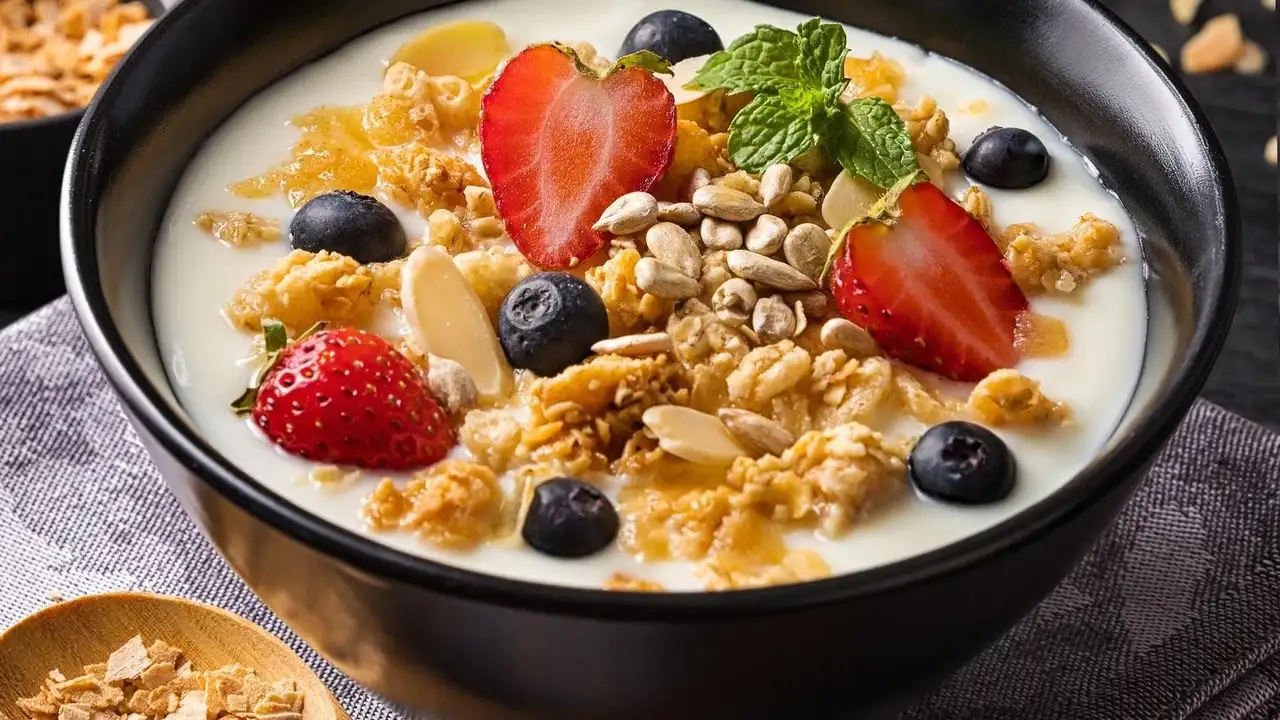
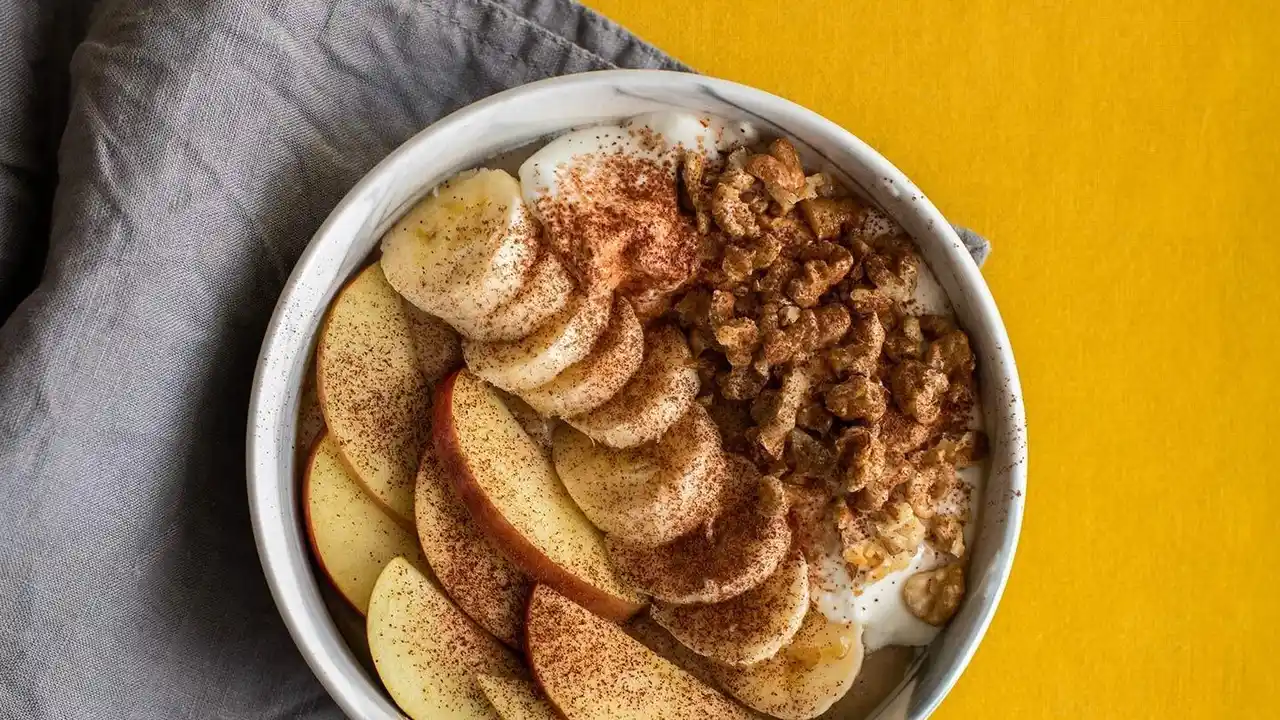
One of the biggest drivers of this trend is that high-protein breakfasts are no longer complicated or time-consuming. The rise of meal prep and a flood of new, convenient recipes have made it easier than ever to fuel your morning properly. Think beyond complex omelettes. We're seeing a surge in options like cottage cheese toast, Greek yogurt bowls, and make-ahead egg bites that you can prepare in batches. Social media is filled with quick ideas like overnight oats fortified with protein powder, protein pancakes made on a sheet pan, and even savoury biscuits made with Greek yogurt. This convenience is crucial in today's world, where many are juggling hybrid work schedules and busy family lives, leaving little time for elaborate cooking.
More Than Just Eggs and Shakes
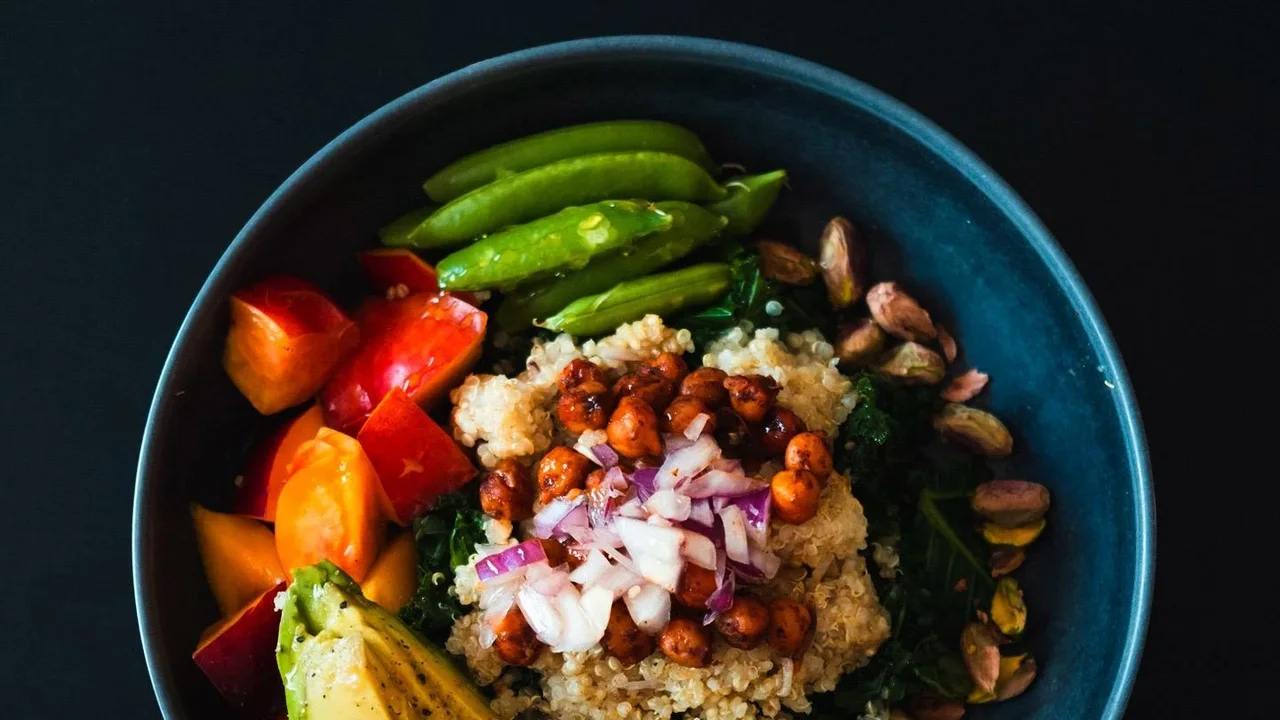
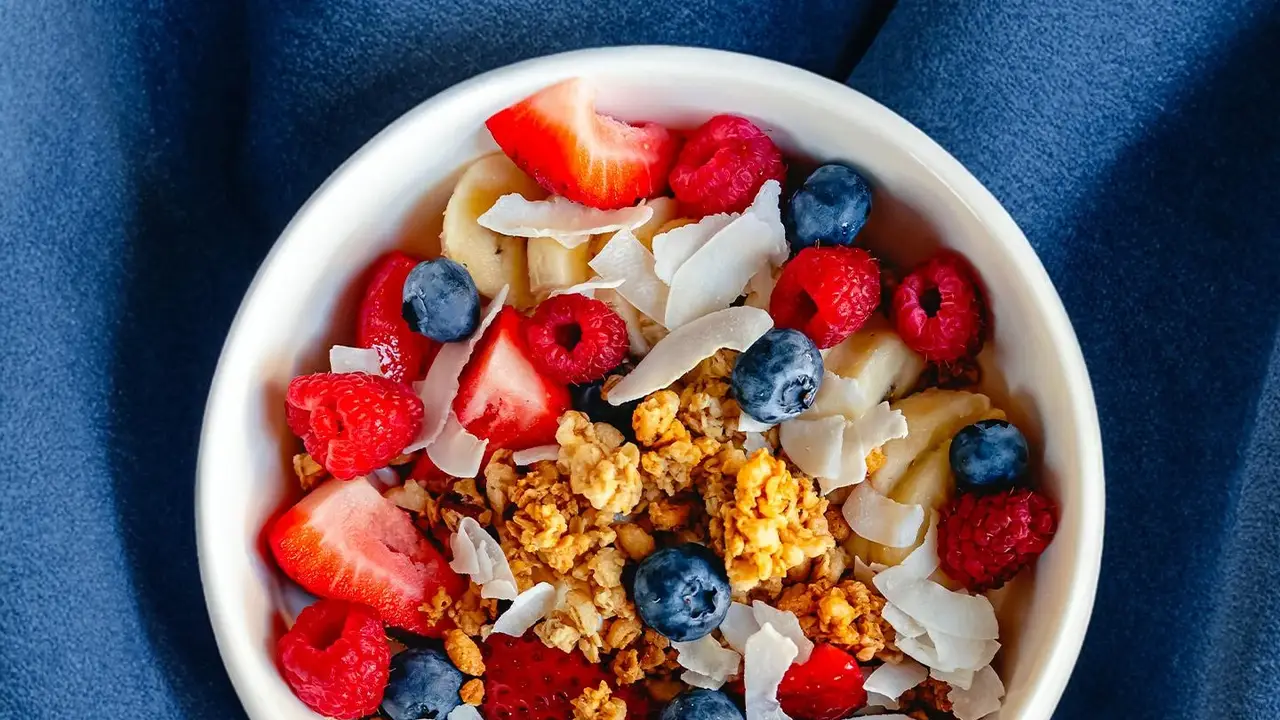
The definition of a protein breakfast has expanded significantly. While eggs remain a popular and affordable choice, the trend now embraces a much wider variety of sources. Cottage cheese, for instance, has seen a massive resurgence, being used in everything from toast and casseroles to blended bowls. Greek yogurt also provides a powerful protein punch in a simple format. Crucially, the trend is also increasingly plant-based. People are turning to options like tofu scrambles, chickpea flour pancakes (besan chilla), moong dal dosas, and smoothie bowls with added seeds or plant-based protein powder. This diversification means there are protein-rich options available for every dietary preference and palate, from traditional Indian fare like poha and upma to global creations.
A Smarter Approach to Wellness
The renewed interest in protein breakfasts reflects a broader shift in our approach to health. After years of focusing on restrictive diets or counting calories, many are now prioritising balanced, nutrient-dense meals that provide tangible benefits like stable energy and improved satiety. The flexibility of remote and hybrid work has also played a role. While some find themselves snacking more, others are using the proximity to their own kitchen to make more conscious food choices instead of grabbing a quick, less nutritious option on the way to the office. Eating a satisfying breakfast at home can prevent mindless grazing and help manage stress by stabilising blood sugar levels, which can in turn reduce feelings of anxiety. This trend isn't about a fad diet; it's about making a sustainable choice for long-term energy and well-being.