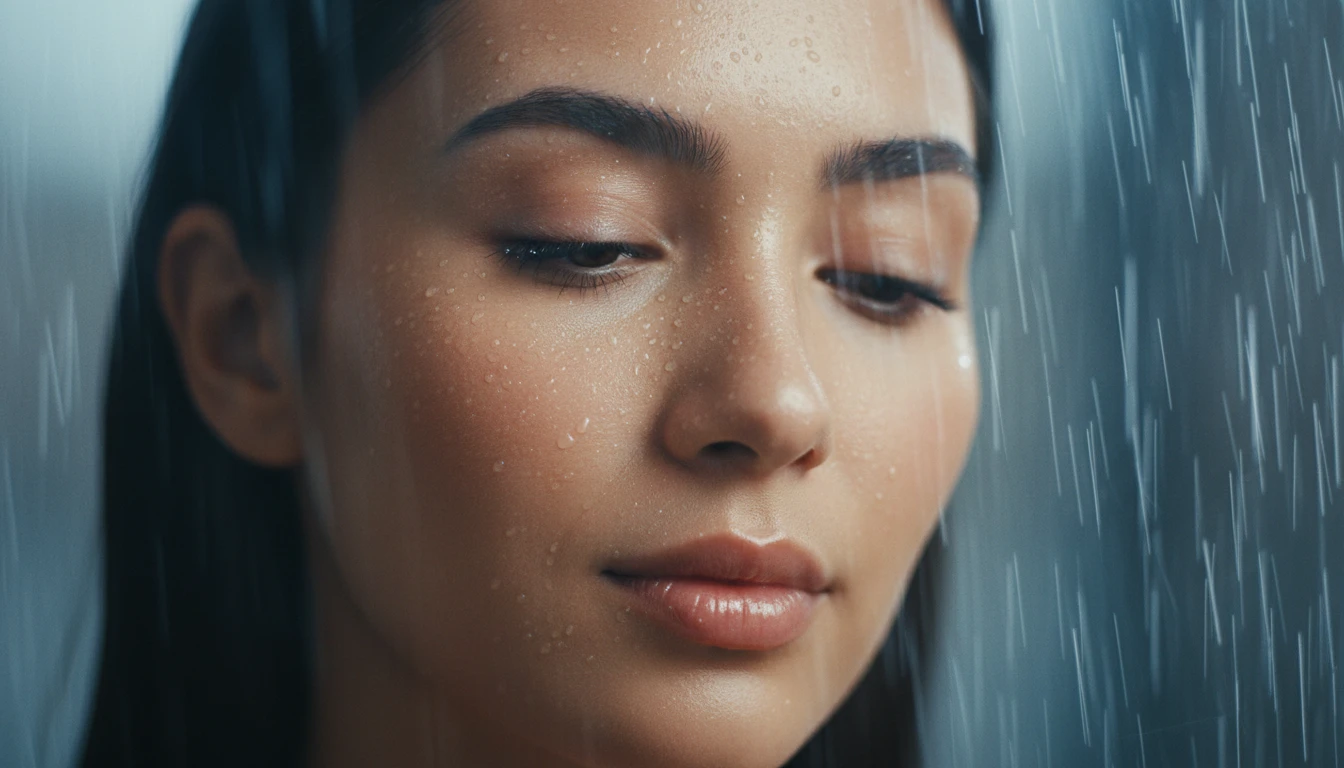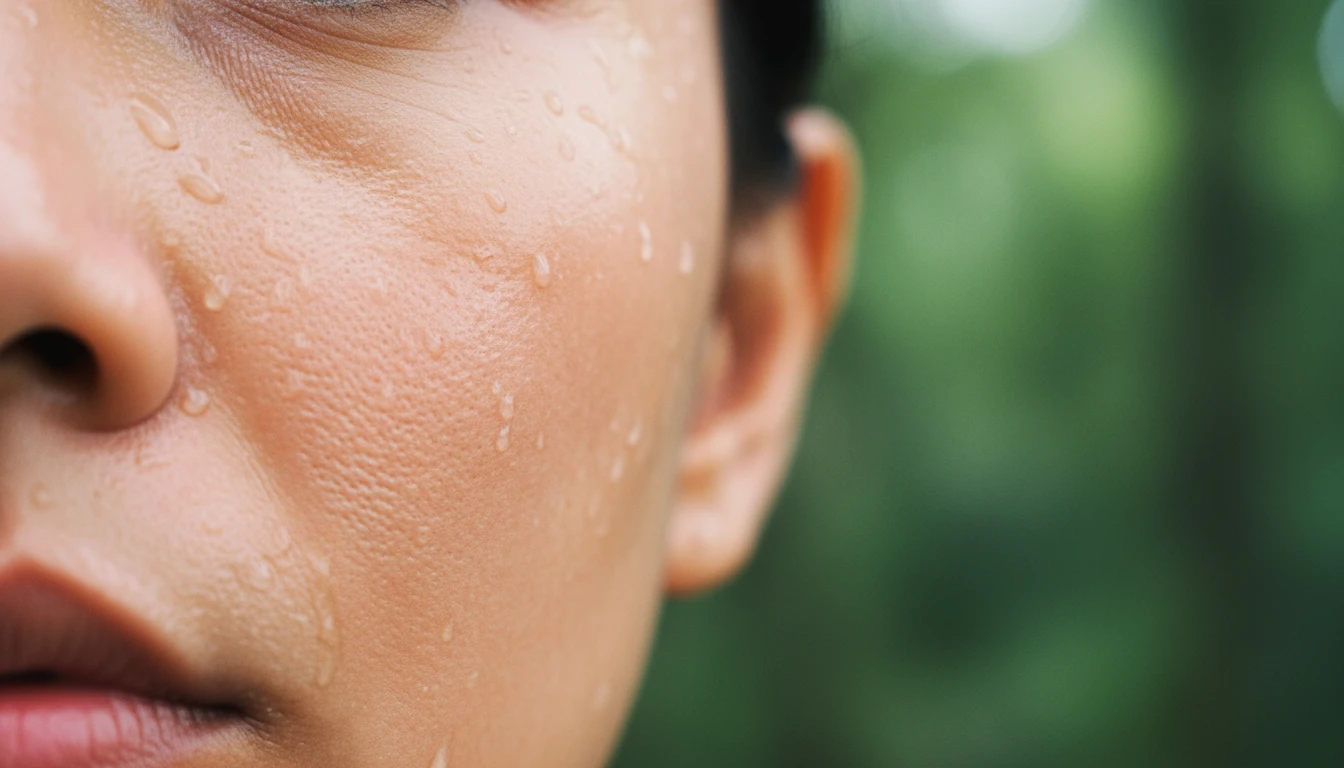









Why Your Skin Protests the Rain
The sticky, humid air of the monsoon is the main reason for skin troubles. High humidity signals your sebaceous glands to produce more oil (sebum). This excess oil mixes with sweat, which doesn't evaporate easily in the damp weather, creating a perfect
environment for clogging pores. This mixture of oil, sweat, and environmental pollutants can trap dead skin cells and allow acne-causing bacteria to thrive, leading to more frequent pimples, blackheads, and even fungal acne. This is why a skincare routine that worked perfectly in the dry summer heat may suddenly become ineffective or even counterproductive when the rains begin.
Cleanse Gently, But Thoroughly
While it's tempting to wash your face multiple times to combat the oiliness, overwashing can strip your skin of its natural moisture, causing it to produce even more oil to compensate. The key is to cleanse twice a day with a gentle, pH-balanced cleanser. Look for gel-based or light foaming formulas that effectively remove grime and sweat without being harsh. Ingredients like salicylic acid can be particularly helpful, as this beta-hydroxy acid (BHA) is oil-soluble, allowing it to penetrate deep into pores to clear out congestion. Using a mild cleanser ensures your skin barrier remains healthy and less prone to irritation in the reactive monsoon climate.
Switch to a Lightweight Moisturiser
One of the most common mistakes during monsoon is skipping moisturiser altogether because the skin already feels sticky. However, the moisture in the air doesn't hydrate your skin effectively. Dehydrated skin can actually become oilier. Instead of ditching your moisturiser, switch to a lighter formulation. Heavy creams that were great for winter or dry weather can clog pores in high humidity. Opt for water-based, gel, or emulsion formulas that provide hydration without adding weight or greasiness. Look for ingredients like hyaluronic acid, which pulls moisture into the skin, and glycerin, a classic humectant that hydrates without feeling heavy.
Don't Forget Sunscreen, Even on Cloudy Days
It's a persistent myth that you don't need sunscreen when it's cloudy or raining. Up to 80% of the sun's UV rays can penetrate through clouds, and reflection from wet surfaces can even increase your exposure. Sun damage can worsen the dark spots that acne leaves behind. For the monsoon, choose a lightweight, non-comedogenic sunscreen that won't clog your pores. Gel-based or fluid sunscreens with an SPF of at least 30 are ideal choices, as they provide necessary protection without contributing to the greasy feeling of humid weather.
Incorporate Key Active Ingredients
A few targeted ingredients can make a significant difference in managing monsoon skin. Niacinamide is a standout as it helps regulate oil production, supports the skin barrier, and can reduce the appearance of pores and post-acne marks. Gentle chemical exfoliants like salicylic acid, lactic acid, or mandelic acid, used a couple of times a week, can help keep pores clear and prevent breakouts. Other beneficial ingredients include green tea extract for its antioxidant properties, tea tree oil for its antibacterial benefits, and aloe vera to soothe irritated skin.
Simple Lifestyle Habits That Help
Your daily habits play a supporting role in keeping your skin clear. Make it a point to wash your face after sweating heavily or working out. Keep your hands away from your face to avoid transferring dirt and bacteria. Regularly changing your pillowcases and towels is also crucial, as they can accumulate oil, sweat, and bacteria that thrive in damp conditions. Furthermore, keeping your hair clean and tied back can prevent oils and styling products from transferring onto your forehead and face, reducing the risk of breakouts.