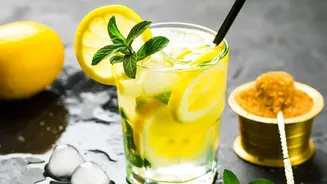


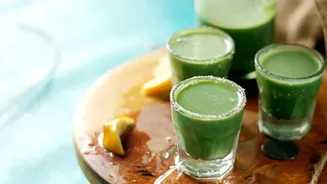
The nostalgic, complex flavour of paan, a beloved Indian mouth freshener, finds a new and refreshing expression in the form of a chilled summer cooler. This modern twist transforms traditional tastes into a zesty, sippable delight.
A Bridge Between Tradition and Trend
For centuries, paan
has been a cultural staple in India, traditionally served after meals as a digestive aid and a gesture of hospitality. It consists of a betel leaf wrapped around a variety of fillings, creating a unique burst of flavour. Today, this iconic taste is being reimagined in contemporary forms, from ice creams to elaborate milkshakes. The Paan Cooler, particularly a version based on zesty lemonade, stands out as a simple yet inventive way to enjoy these familiar flavours. It captures the essence of meetha paan—sweet, aromatic, and slightly astringent—and channels it into a thirst-quenching beverage perfect for warm days or festive gatherings.
Deconstructing the Flavour
The magic of a paan cooler lies in its blend of distinct ingredients. The betel leaf, or 'paan patta', provides a characteristic peppery and fresh base. This is traditionally complemented by gulkand, a sweet preserve made from rose petals, which lends a floral sweetness that is central to the 'meetha paan' experience. Fennel seeds (saunf) and cardamom (elaichi) add layers of aromatic spice and a cooling sensation. When these elements are combined with a lemonade base—a simple mix of lemon juice, water, and a sweetener—the result is a multi-layered drink. The tang of the citrus cuts through the sweetness of the gulkand, while the herbal notes of the paan leaf are brightened, creating a balanced and utterly refreshing beverage.
Crafting Your Paan Lemonade
Making this cooler at home is surprisingly straightforward. The key is to create a concentrated paan paste that can be easily mixed into your lemonade. For health-conscious preparations, it is important to use only the sweet and aromatic ingredients associated with meetha paan, and to avoid areca nut, which has been linked to health risks. Ingredients: - 4-5 fresh betel leaves, stems removed and roughly chopped - 2 tablespoons of gulkand (rose petal jam) - 1 tablespoon of fennel seeds (saunf) - 4 green cardamom pods, seeds only - 1 litre of chilled water - 1/2 cup of freshly squeezed lemon juice - 1/4 cup of sugar, or to taste - A handful of fresh mint leaves (optional) - Ice cubes for serving
Step-by-Step Preparation
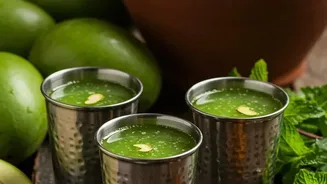
1. First, create the paan flavour base. In a blender, combine the chopped betel leaves, gulkand, fennel seeds, and cardamom seeds. Add a few tablespoons of water to help the ingredients move and blend until you have a smooth, vibrant green paste. 2. Next, prepare the lemonade. In a large pitcher, combine the litre of chilled water, fresh lemon juice, and sugar. Stir vigorously until the sugar is completely dissolved. Taste and adjust the sweetness or tartness to your preference. 3. Now, infuse the lemonade with the paan flavour. Add the prepared paan paste to the pitcher of lemonade. If you're using mint, you can muddle it lightly at the bottom of the pitcher before adding the other liquids. Stir everything together until the paste is well incorporated. 4. For a smoother texture, you can strain the entire mixture through a fine_mesh sieve to remove any fibrous bits from the leaves and seeds. This step is optional but recommended for a cleaner drinking experience. 5. To serve, fill glasses with ice cubes, pour the paan lemonade, and garnish with a lemon slice or a sprig of fresh mint. Serve immediately for the best flavour.
Creative Variations and Serving Tips
This basic recipe is a wonderful canvas for creativity. For a creamier, dessert_like version, you can blend the paan paste with chilled milk and a scoop of vanilla ice cream instead of lemonade, creating a Paan Milkshake or Paan Shot. Another popular variation involves using sparkling water or club soda instead of still water for a fizzy mojito_style drink. You can also add other traditional paan ingredients to the paste, like a tablespoon of desiccated coconut, for added texture and flavour. No matter how you choose to serve it, this cooler is best enjoyed chilled, making it an excellent welcome drink for guests or a special treat after a heavy meal.